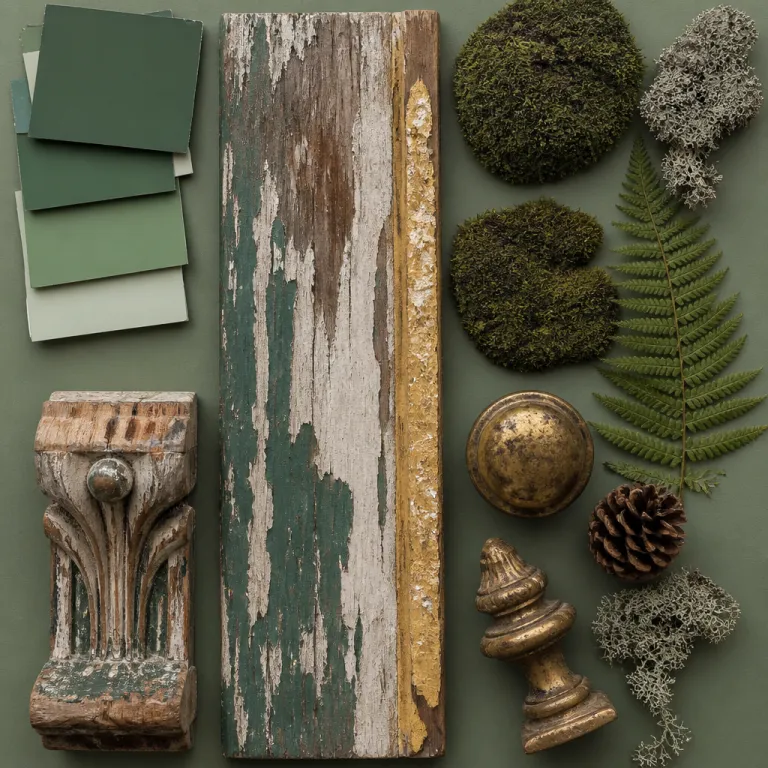
Grand Hotel Mackinac Island renovation 2026: inside the 140th-season transformation
Grand Hotel Mackinac Island renovation 2026 sets a new benchmark
The Grand Hotel Mackinac Island renovation 2026 marks the final phase of a five-year restoration that has reshaped one of the most storied properties in Michigan. According to owner statements reported in regional hospitality media and industry briefings, roughly 20 million USD has been invested in recent upgrades, refreshing the 660-foot front porch, renewing key guest rooms and suites, and sharpening historic details without losing the hotel’s sense of place. For travelers planning a summer escape, this is the season when a stay at Grand Hotel on Mackinac Island becomes a study in how heritage and comfort can be designed to work together.
At the heart of the project is Dorothy Draper & Company, the design firm that has defined the Grand Hotel’s interior aesthetic for generations and remains the natural partner for such a historic commission. The firm has redesigned 20 guest rooms and 5 signature suites, drawing on references from the White House, Michigan state heritage, and the hotel’s own archives to ensure that every space feels both historic and freshly tailored. This approach means each guest room, and all guest rooms collectively, now balance bold Dorothy Draper color, classic parlor proportions, and discreet upgrades such as improved climate control and layered lighting that respect the original architecture.
The restoration extends far beyond paint and fabrics, touching almost every public space that a guest will cross between the late-April opening and the close of the season in late October. Grand Hotel’s famous front porch—often cited in travel guides as the world’s longest porch at 660 feet—has been rebuilt with Estonian ash wood flooring, giving it a subtly different underfoot feel while preserving its iconic rocking-chair rhythm. Inside, the lobby, retail corridor, and exterior façade have been renewed by construction manager Spence Brothers, a Michigan-based firm referenced in project communications, while the roofline has been stabilized to protect the grand silhouette that defines Mackinac Island’s skyline for arriving ferries from the mainland.
Renovation on car-free Mackinac Island is never simple, and the Grand Hotel Mackinac Island renovation 2026 has highlighted just how complex heritage work can be in this setting. Supplies first arrived by boat; then, once the Straits froze, they were flown in and finally hauled to the site by horse-drawn drays that respect the island’s ban on motor vehicles. For guests, that same horse-drawn transport remains part of the arrival ritual, linking the practical logistics of construction with the romantic carriage rides that frame every stay at this grand hotel on Mackinac Island.
For couples considering where to book, the project’s timing around the 140th season matters because heritage hotels now consistently command higher rates and stronger loyalty than comparable new builds. Industry benchmarking from organizations such as STR and Historic Hotels of America, as cited in their public performance reports, indicates that historic properties with a clear narrative can achieve around a 12 percent higher average daily rate and roughly 8 percentage points higher occupancy than modern competitors in similar markets, and Grand Hotel’s leadership is clearly positioning this renovation to capture that premium. As President David Jurcak has emphasized in guest communications and press materials, “Our 140th season celebrates 140 years since the hotel’s opening in 1887,” a milestone the team has used as a guiding reference for the work.
Every corner of the property now tells that story more clearly, from the refreshed parlor spaces just off the lobby to the art-gallery-style corridors that frame views of the Straits. Guests walking from the main dining room toward the Mackinac Market retail arcade will notice how the new lighting and finishes quietly highlight historic moldings and period artwork. For travelers used to contemporary glass towers, this kind of layered, historic narrative offers a different type of luxury, one that rewards slow mornings on the porch and long evenings in the parlor as much as it does a perfectly appointed suite.
Dorothy Draper & Company and the art of preservation forward luxury
The design story behind the Grand Hotel Mackinac Island renovation 2026 rests on a single, decisive choice: to deepen the property’s own identity rather than chase generic trends. Dorothy Draper & Company, often shortened to the Draper company, has been shaping the Grand Hotel’s signature look for decades, and its return for this phase signals a commitment to continuity that seasoned travelers will recognize immediately. Instead of stripping back the historic layers, the designers have leaned into them, using archival patterns and bold color to make each guest room and suite feel unmistakably tied to Mackinac Island and the wider Great Lakes region.
In practical terms, that means the new guest rooms and signature suites have been designed with both romance and function in mind for couples planning a special stay. A typical room might pair a classic Dorothy Draper floral on the walls with a crisp, modern mattress and integrated charging points, while a larger suite adds a separate parlor and more generous amenities for longer visits. Sample categories such as Lakeview rooms, Named Suites, and the more expansive Signature Suites now give travelers clearer choices when comparing options on a luxury booking platform, with seasonal rates that typically rise from spring shoulder dates into peak summer weekends.
The design team has also used this renovation to clarify the hotel’s internal geography, which matters when you are choosing between different room categories on a luxury booking platform. Rooms near the garden terrace now have a stronger visual link to the landscaped areas, with fabrics and artwork echoing the planting schemes that unfold across the summer season. Suites closer to the art gallery corridor and parlor spaces lean into richer tones and more dramatic Dorothy Draper contrasts, ideal for guests who plan to spend evenings inside grand public rooms rather than on the porch watching the horse-drawn carriages roll past.
Heritage details have been sharpened rather than softened, which is where the influence of figures like Carleton Varney, the late president of Dorothy Draper & Company, still resonates. Varney’s philosophy of “happy chic” color continues in the way the Draper company has layered stripes, florals, and solids across guest rooms and corridors, creating a visual rhythm that feels both historic and surprisingly fresh. For travelers who appreciate design lineage, staying in a room touched by Dorothy Draper and Carleton Varney carries the same weight as choosing a suite in a grand European palace hotel with a named designer behind it.
The renovation also nods to cultural references that regular guests will recognize, including the legacy of on-screen moments filmed on Mackinac Island. While names like Jane Seymour and the film “Somewhere in Time” are often associated with the island’s cinematic history, the current project keeps those references subtle, allowing the historic architecture and the renewed porch and parlor spaces to take center stage. Couples who value a sense of narrative will find that the combination of film lore, island history, and Dorothy Draper pattern makes each corridor walk feel like a curated gallery experience rather than a simple transit from room to dining room.
For travelers comparing heritage stays across the United States, Grand Hotel’s approach sits comfortably alongside other revival projects such as the Huntington in San Francisco, which features in guides to where to stay in San Francisco and its best hotels and neighborhoods. The difference here is the island setting and the way the renovation has been designed around a car-free environment, which shapes everything from how materials arrive to how guests move between the front porch, the garden terrace, and the main dining room. That specificity gives the Grand Hotel renovation 2026 a clarity of purpose that many urban restorations, however polished, simply cannot match.
Logistics, market impact, and what this signals for heritage hotels
Behind the scenes, the Grand Hotel Mackinac Island renovation 2026 has been a logistical exercise that few urban properties will ever face. With no cars allowed on Mackinac Island, every plank for the porch, every piece of furniture for a guest room, and every tile for a refreshed dining room has had to travel by boat, plane, and finally by horse-drawn dray. This layered supply chain, managed by construction firm Spence Brothers in close coordination with the hotel’s ownership and President David Jurcak, has turned the island’s constraints into a defining part of the restoration story.
Seasonality adds another layer of complexity, because heavy work must be timed around the April opening and the close of the season when the last guest departs. Crews have used the shoulder months to tackle the most disruptive tasks, from reinforcing the roofline to renewing the exterior façade that frames the front porch and garden terrace. For travelers, the result is that by the time summer arrives, the only visible signs of the project are the refreshed porch boards underfoot, the brighter parlor and art gallery corridors, and the more comfortable in-room features inside each suite and guest room.
The investment case for such a complex project is clear when you look at how heritage properties perform in the luxury segment. Data from global hotel benchmarking, including reports cited by Historic Hotels of America, shows that historic hotels with a coherent narrative and visible restoration work can achieve around a 12 percent higher average daily rate and an 8 percentage point occupancy premium compared with similarly located modern hotels, especially in leisure-driven markets. Grand Hotel’s 20 million USD spend, focused on both public spaces and guest rooms, positions it to capture that premium while reinforcing its status as the reference property on Mackinac Island for couples seeking a once-in-a-lifetime stay.
This strategy aligns the Grand Hotel Mackinac Island renovation 2026 with a broader wave of grand restorations worldwide, from Hotel Danieli’s transition to a Four Seasons in Venice to Corinthia’s transformation of a historic palace in Rome. In the United States, projects such as Hotel Viking in Newport and the Huntington in San Francisco show how carefully managed updates can reposition a historic hotel for a new generation of travelers. For readers planning a wider itinerary, pairing a stay here with other heritage-focused properties, such as those highlighted in guides to the best neighborhoods and hotels in Berlin, can create a journey that is as much about architecture and history as it is about comfort.
Within this context, Grand Hotel’s emphasis on authenticity over generic luxury amenities sends a clear signal about the future of heritage hospitality. Rather than chasing trends, the property has doubled down on its own strengths: the 660-foot porch, the layered parlor and dining room sequence, the garden terrace, and the unmistakable Dorothy Draper interiors that make every space feel part of a coherent whole. For couples choosing where to allocate their travel budget, that kind of integrity often matters more than the latest gadget, especially when you are booking through a curated platform that focuses on heritage and grand hotel revival stories.
For readers of Incredible Stay who are mapping out a romantic route through the world’s great historic hotels, this project sits alongside other revival narratives such as the Belle Époque restoration on the Gulf of Saint-Tropez, where a waterfront palace has been brought back to life with similar respect for its original fabric. Whether you are arriving from Detroit for a long weekend or weaving Mackinac Island into a longer Great Lakes journey, the Grand Hotel Mackinac Island renovation 2026 offers a case study in how to modernize a historic hotel without diluting its character. It is not the bucket-list stay; it is the one that quietly rewrites what you expect from a grand, historic property when heritage, logistics, and design all work in concert.