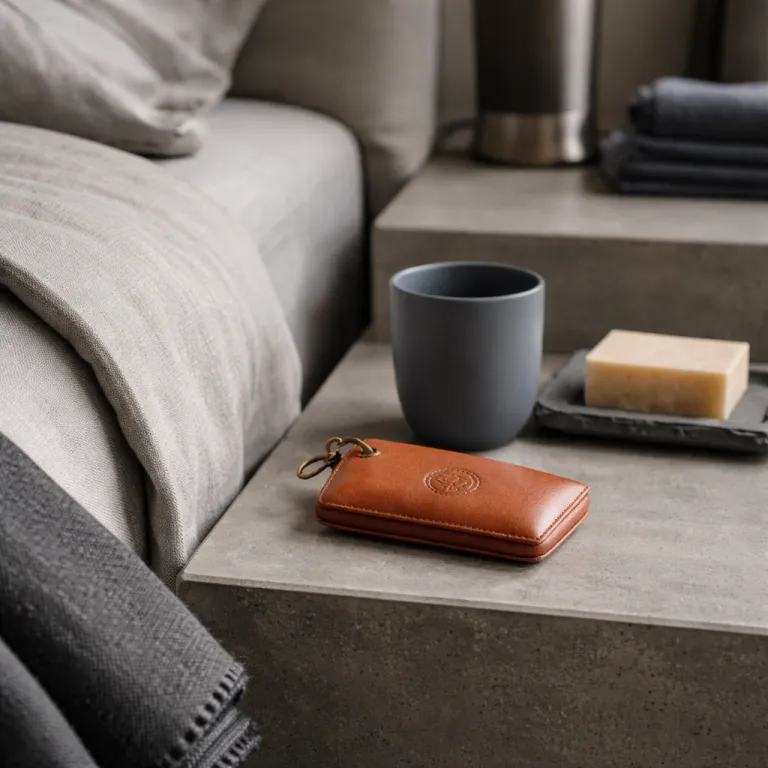
What quiet luxury really means when you check into a hotel
Quiet luxury hotels are not about less luxury, but about less noise. They replace spectacle with understated elegance, where every design choice serves comfort, calm and a deeper connection with the surrounding landscape. In these hotels, guests feel an immediate quiet confidence that signals you can finally exhale.
Across the best discreet luxury hotels, you notice how spaces feel composed rather than decorated. Natural materials such as stone, linen and warm woods soften acoustics, while carefully framed windows turn every view into a piece of living art. This is where travelers prioritize privacy, proportion and light over chandeliers, gold leaf or logo-heavy amenities.
Industry analysts at Hospitality Net and Skift describe the shift clearly: quiet luxury hotels emphasize understated elegance and refined comfort, and they differ from traditional luxury hotels by emphasizing subtle sophistication over overt opulence. Advisory firms such as WATG also underline that prices vary widely in this segment, with the focus on quality and experience rather than on status alone. For solo travelers, that means choosing hotels where the promise is not to impress your followers, but to restore your senses.
Consider Aman Nai Lert Bangkok, announced with plans for 52 suites that layer Thai design elements with generous negative space, according to Aman’s development communications. At The Surrey in New York, historically home to 70 rooms and 30 suites, guests have described the atmosphere as private and cocooning despite the city outside, illustrating how quiet luxury hotels can thrive in dense urban destinations. Southern Ocean Lodge on Kangaroo Island shows how a hotel can frame raw nature, using local art and panoramic rooms to keep the focus on the wild coast rather than on itself.
When you check options on a booking website, read beyond the headline claims. Seek mentions of high-quality craftsmanship, low-key service and integration with nature rather than lists of branded amenities. The most interesting hotels explore culture and landscape with restraint, offering experiences that feel personal rather than performative.
How design, materiality and art create a quiet sensory experience
In genuine quiet luxury hotels, design is not a style but a strategy for serenity. Architects work with natural materials to calm the eye and ear, from limewashed walls to wool rugs that soften every footstep. The result is a sensory experience where you notice how spaces feel before you notice what they cost.
Suites at Mollie Aspen in Colorado use earthy tones and tactile fabrics to echo the surrounding landscape, showing how a hotel can feel premium without traditional luxury clichés. At Villa Miraé in Cap d’Antibes, a private residence frequently cited in travel media, Art Deco design details are edited rather than amplified, so the geometry frames the Mediterranean view instead of competing with it. Claridge’s in the United Kingdom offers a masterclass in quiet confidence, where restored Art Deco lines and impeccable proportions keep even its most famous suites surprisingly calm.
Materiality matters because it shapes how travelers move, rest and relate to a space. Stone basins, timber headboards and handwoven textiles create rooms that feel personal, not generic, especially when artisans from the local community are involved. When travelers prioritize this kind of craftsmanship, they support hotels that invest in long-term quality rather than short-term spectacle.
Technology plays a supporting role here, almost invisible by design. Lighting, temperature and privacy controls are integrated into the architecture, so you can travel without feeling surrounded by screens or blinking panels. Industry commentary from Hospitality Net and Skift highlights how smart systems can still feel human-centered in luxury hotels when they are intuitive, discreet and easy to override.
When you explore options online, look for photos that show daylight, texture and proportion rather than only pools and plate presentations. Check whether the hotel mentions collaboration with local artists, landscape designers or craftspeople, because that usually signals a richer connection with place. Quiet luxury thrives where design, art and nature are in constant, thoughtful conversation.
Service in quiet luxury hotels: anticipation without intrusion
Service is where quiet luxury hotels either succeed brilliantly or reveal themselves as traditional luxury in disguise. The best teams anticipate needs with precision, yet remain almost invisible once you have what you require. You feel known, but never watched.
At SingleThread Inn in Healdsburg, California, only five rooms sit above a three Michelin-starred restaurant, so every stay feels like a private house party curated by experts. Guest reviews frequently mention how staff remember your preferred tea temperature or pillow type, but will not interrupt a moment of reflection just to perform service theatre. This is hospitality designed for travelers who value time and headspace as much as any amenity.
On a booking platform, read guest reviews with an eye for how staff interact rather than how often they appear. Phrases about intuitive, unobtrusive or thoughtful service usually indicate a team that understands quiet luxury, while constant mentions of being fussed over may signal a more traditional luxury approach. When spaces feel calm and service choreography is light, guests can settle into their own rhythm quickly.
Resort spa teams in quiet luxury hotels also work differently. Treatments often draw on nature and local ingredients, turning wellness into a deeper connection with the surrounding landscape rather than a menu of generic massages. In coastal destinations, especially refined beachfront properties with panoramic views, you can see this philosophy in action: the focus is on sea, sky and silence rather than on elaborate spa theatrics.
When you check pre-arrival communication, notice whether the hotel asks about your routines, sensitivities or preferred pace of interaction. Quiet luxury hotels explore ways to tailor experiences without over-programming your stay, leaving room for spontaneity. That balance between care and distance is what separates genuine quiet luxury from polite but performative service.
From italy to costa rica: where quiet luxury hotels thrive
Quiet luxury is not limited to one region; it is a mindset that travels well. In Italy, rural retreats and coastal hideaways reinterpret traditional luxury with softer edges, using stone farmhouses, terraced vineyards and natural materials to frame slow living. Travelers prioritize time on shaded loggias, long lunches and walks through olive groves over formal dress codes or grand lobbies.
Across the Atlantic, Costa Rica has become a reference point for quiet luxury hotels that put connection with nature at the center of every decision. Properties here often limit room numbers, use low-impact architecture and design spaces that feel personal, like open-air suites that blur the line between indoors and outdoors. When a resort spa is set among trees and fed by natural springs, wellness becomes part of the landscape rather than a separate wing.
In Mexico’s Valle Guadalupe, new-generation wine country retreats show how quiet luxury can coexist with a vibrant food and wine community. Low-slung villas built from stone and timber echo the earth, while studios and tasting rooms open directly onto vineyards for an immersive sensory experience. Guests move between private decks, shared firepits and winery visits, always with the valley view as the main event.
Urban destinations are evolving too, especially in the United Kingdom and major Asian cities. Properties such as Aman Nai Lert Bangkok or The Surrey in New York demonstrate that a hotel can feel quiet even in the heart of a metropolis, if design and operations prioritize acoustic comfort and privacy. For travelers planning romantic or solo escapes, curated guides to private experiences in iconic destinations can help identify stays that align with this philosophy.
When you explore booking options, filter less by star rating and more by story. Look for hotels that describe how they work with local community partners, protect nature and limit footprint, rather than only listing facilities. Quiet luxury hotels explore their destinations with humility, inviting you into a place rather than placing themselves above it.
How to book quiet luxury hotels: signals, questions and price
Finding genuine quiet luxury hotels on a crowded booking website requires a more investigative approach. Start by reading how the hotel talks about its design, materials and relationship with nature, not just its amenities list. If every sentence shouts about status, you are probably looking at traditional luxury dressed in softer colors.
Check the number of rooms and how they are described; smaller scales often allow service to feel personal and spaces to feel calmer, though there are exceptions in well-planned city properties. Look for mentions of natural materials, local art, acoustic design and views that frame the surrounding landscape rather than just the pool. When hotels explore their own story with nuance, they usually deliver more thoughtful experiences on site.
Price works differently in this segment. Quiet luxury can be expensive, but you are often paying for space, privacy and craftsmanship rather than for spectacle or brand premiums, so value depends on how you personally travel. Before you stay, ask specific questions about noise management, technology integration, resort spa access and how the hotel supports connection with nature, whether that is through guided walks, contemplative studios or simple, well-placed benches.
Analysts at Hospitality Net, Skift and WATG Advisory note that the quiet luxury segment remains relatively small within the wider luxury hotel market but attracts consistently strong demand, especially in destinations that emphasize nature and culture. Industry commentary suggests that high-end, experience-led properties can achieve occupancy rates several percentage points above local luxury averages, particularly where room counts are intentionally limited. Because supply is constrained compared with traditional luxury properties, planning ahead matters, particularly in places like Italy, Costa Rica or the United Kingdom.
As you compare options, remember that the most meaningful experiences rarely shout in capital letters. They unfold in the way a room smells of cedar, how a window frames first light, or how staff step back at exactly the right moment. Choose the hotel that promises not just a place to sleep, but a calm, coherent world you will still think about long after you travel home.
Key numbers shaping quiet luxury hotels
- Industry commentary suggests that quiet luxury hotels form a relatively small but influential segment of the global luxury market, with limited room counts and highly curated properties.
- Analysts report that demand for this restrained style of hospitality is resilient, with many quiet luxury hotels achieving strong year-round occupancy compared with more traditional luxury competitors.
Essential questions about quiet luxury hotels
What defines a quiet luxury hotel for modern travelers?
A quiet luxury hotel is defined by understated elegance, high-quality materials and personalized service that feels intuitive rather than intrusive. These properties focus on calm spaces, thoughtful design and a strong connection with nature or local culture. The goal is to create a refined stay where comfort, privacy and authenticity matter more than showy features.
How do quiet luxury hotels differ from traditional luxury properties?
Traditional luxury hotels often emphasize visible opulence, such as grand lobbies, heavy décor and conspicuous branding. Quiet luxury hotels differ by prioritizing subtle sophistication, acoustic comfort and design restraint, using natural materials and crafted details instead of overt displays. Service is also softer, with staff anticipating needs while keeping a respectful distance.
Are quiet luxury hotels always more expensive than other options?
Quiet luxury hotels can sit at the higher end of the price spectrum, but cost structures are driven by craftsmanship, low room counts and generous space rather than by spectacle. Some properties may price comparably to traditional luxury hotels, while others charge a premium for privacy and location. Value depends on how much you personally prioritize calm, design quality and meaningful experiences over visible status markers.
What should I check before booking a quiet luxury stay?
Before booking, check how many rooms the hotel has, how it describes its design and whether it highlights natural materials, local art and integration with the surrounding landscape. Read guest reviews for comments about noise levels, service style and the overall sensory experience, not just about amenities. It is also wise to ask the hotel directly about technology use, spa access and opportunities to connect with nature or the local community.
Can quiet luxury hotels work for solo travelers as well as couples?
Quiet luxury hotels often suit solo travelers particularly well, because they offer privacy, calm public spaces and staff who respect independence. Many properties design lounges, libraries and terraces where solo guests can read, work or simply observe without feeling out of place. When you travel alone, this balance of discretion and support can turn a stay into a restorative personal retreat.
Sources
- Hospitality Net
- Skift
- WATG Advisory