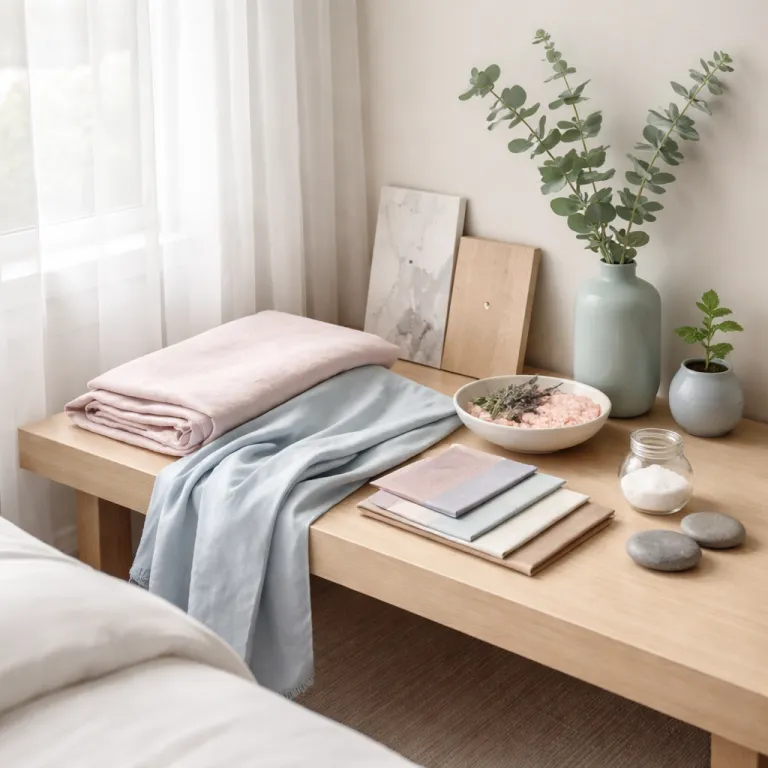
Why wellness hotel room design now starts with the senses
Wellness hotel room design has shifted from add on amenity to core philosophy. In the most forward looking luxury hotel projects, every room and every corridor is treated as part of a continuous wellness retreat that quietly supports sleep, focus and recovery. For guests, that means wellness is no longer confined to a distant hotel spa but embedded in the private spaces where you actually spend most of your stay.
Specialists such as Delos, Breathe Green Design Corp. and HBG Design treat each wellness room as a small ecosystem. They combine neuroscience informed interior design with precise control of lighting, acoustics and air quality to create wellness rooms that feel restorative without shouting about it. A well executed wellness room will balance technology and natural materials so that the space feels calm, tactile and human rather than clinical.
Design teams now start with measurable objectives like improving sleep, reducing stress and promoting relaxation. They use circadian lighting systems, soundproofing materials and advanced air purification as invisible infrastructure that underpins every wellness focused room design. When you book, you are not just choosing a room category ; you are choosing how the interiors will influence your body clock, your breathing and the way you feel when you wake up.
From spa floor to guest room: how design reshapes daily rituals
In many leading resorts, wellness has migrated from the spa floor into the guest rooms themselves. A thoughtfully planned wellness room now borrows cues from luxury spa design, translating them into everyday rituals like showering, stretching or simply reading by the window. The aim is to turn your private space into a low key wellness retreat rather than a place you only return to for sleep.
Designers talk about creating a continuum between hotel spa, spa room and bedroom through consistent materials, lighting and acoustics. Soft indirect lighting, warm timber and stone, and biophilic interiors that reference local landscapes help rooms feel like extensions of a spa interior rather than generic hotel spaces. This approach to wellness interiors is especially powerful in urban hotel design, where a single room must double as sanctuary, workspace and mini spa wellness zone.
Some properties now integrate compact spa pools or deep soaking tubs into wellness rooms, blurring the line between spa pool and private bath. Others use biophilic design to bring resort style greenery and natural light into even the smallest space, proving that a wellness retreat feeling does not require a vast suite. If you value design wellness, look for hotels that speak about daily rituals, not just about a separate luxury spa complex.
Materials, light and air: the quiet architecture of feeling better
The most convincing wellness hotel room design starts underfoot, with materials chosen as carefully as any artwork. Designers favour natural materials such as sustainably sourced wood, stone and wool because they age gracefully, regulate temperature and help rooms feel grounded rather than glossy. This material honesty also supports sustainability, since durable interiors reduce the need for frequent refurbishment in both city hotel and remote resort projects.
Biophilic design goes beyond adding plants and instead treats the entire interior as a subtle reference to nature. You might notice gently textured walls, organic forms and views framed like landscape paintings, all working together to calm the nervous system in a way that traditional luxury rarely considered. This same thinking now shapes everything from spa interior palettes to the furniture chosen for a wellness room or spa room, where touch and tactility matter as much as visual drama.
Lighting and air quality complete the invisible architecture of wellness focused hotel design. Circadian lighting systems shift colour temperature through the day to cue alertness or rest, while quiet ventilation and purification keep the space fresh without a constant mechanical hum. For guests, the result is a room design that feels almost eerily comfortable ; you may not notice the engineering, but you notice how deeply you sleep and how quickly the space starts to feel like your own retreat.
Case studies: where wellness design and luxury genuinely align
Across the global hospitality landscape, around thirty percent of hotels now offer some form of certified wellness rooms according to the Global Wellness Institute. At the top end of the market, Delos has become synonymous with wellness focused hotel design, developing wellness room concepts that integrate circadian lighting, air purification and acoustic control as standard. HBG Design and Breathe Green Design Corp. push this further by creating neuroscience aligned wellness suites that treat every surface and every space as part of a therapeutic interior.
These actors show how wellness design can coexist with strong aesthetics rather than diluting them. In many of their projects, spa wellness concepts inform the layout of rooms, with generous circulation space, clear sightlines and spa design details such as stone benches or integrated aromatherapy niches. The same thinking shapes hotel spa areas, where a luxury spa or spa pool is designed as a natural extension of the guest room experience rather than a separate destination.
For travelers, the lesson is to look beyond marketing language and focus on specifics. Ask how many rooms are true wellness rooms with dedicated wellness interiors, not just upgraded amenities or access to a resort spa. When a property can explain its interior design strategy, its use of natural materials and biophilic design, and how its spa interior connects to each wellness room, you are far more likely to enjoy a stay that feels quietly transformative rather than superficially luxurious.
How to read between the lines when booking a wellness focused stay
When you browse a luxury hotel online, the language around wellness can feel interchangeable. To choose a room that genuinely supports your wellbeing, start by examining the photos for clues about room design, lighting and materials rather than only the view or the pool. Look for generous space around the bed, uncluttered interiors and a layout that allows you to move easily between sleep, work and retreat modes.
Pay attention to how the hotel describes its wellness hotel room design in relation to the wider resort or city context. A credible property will reference specific features such as circadian lighting, air purification, acoustic insulation and biophilic design rather than vague promises of serenity. If the hotel also talks about collaborating with wellness consultants, interior designers or firms like Delos, Breathe Green Design Corp. or HBG Design, that usually signals a more rigorous approach to design wellness.
Finally, align the type of wellness retreat you want with the spaces on offer. If you prioritise spa wellness, choose hotels where the hotel spa, spa room and wellness room are clearly integrated, perhaps even with a private spa pool or in room hydrotherapy features. If you care more about mental clarity and sleep, focus on wellness interiors that emphasise quiet, natural materials and thoughtful lighting, turning even compact rooms into spaces that feel like a personal sanctuary.
FAQ
What is a wellness hotel room and how is it different ?
A wellness hotel room is a hotel room designed to enhance guest well being through specific features such as natural materials, circadian lighting, air purification and biophilic design. Unlike standard rooms, wellness rooms are planned as small retreats where lighting, acoustics and air quality are engineered as carefully as décor. The goal is to improve sleep, reduce stress and promote relaxation without requiring you to schedule time in a separate spa.
Which design elements matter most for wellness focused rooms ?
The most important elements in wellness focused room design are lighting, air quality, acoustics and materials. Circadian lighting systems help regulate your body clock, while soundproofing and air purification create a calm, clean interior space. Natural materials and biophilic design then add a sensory layer that makes the room feel warm, grounded and genuinely restorative.
How can I tell if a hotel takes wellness design seriously ?
Hotels that take wellness design seriously can describe their approach in concrete terms. They will mention features such as wellness rooms with circadian lighting, air purification, acoustic insulation and the use of natural materials throughout the interiors. Many also highlight partnerships with wellness consultants or specialist design firms, and they often provide clear guidance on how these features support sleep, recovery and overall wellbeing.
Do I need access to a spa to benefit from a wellness room ?
You do not need a full spa to benefit from a wellness room, because the core features are built into the room itself. A well designed wellness room uses lighting, materials and layout to create a retreat like feel even in a compact space. Access to a hotel spa, spa pool or luxury spa can enhance the experience, but the everyday benefits come from the room where you actually spend most of your time.
Why are wellness hotel rooms becoming more common in luxury hotels ?
Wellness hotel rooms are becoming more common because travelers increasingly equate luxury with spaces that actively support physical, emotional and mental wellbeing. Industry data from organisations such as the Global Wellness Institute shows rising demand for health conscious travel and a significant increase in wellness tourism revenue. For hotels, investing in wellness hotel room design improves guest satisfaction, strengthens loyalty and helps properties stand out in a crowded premium market.