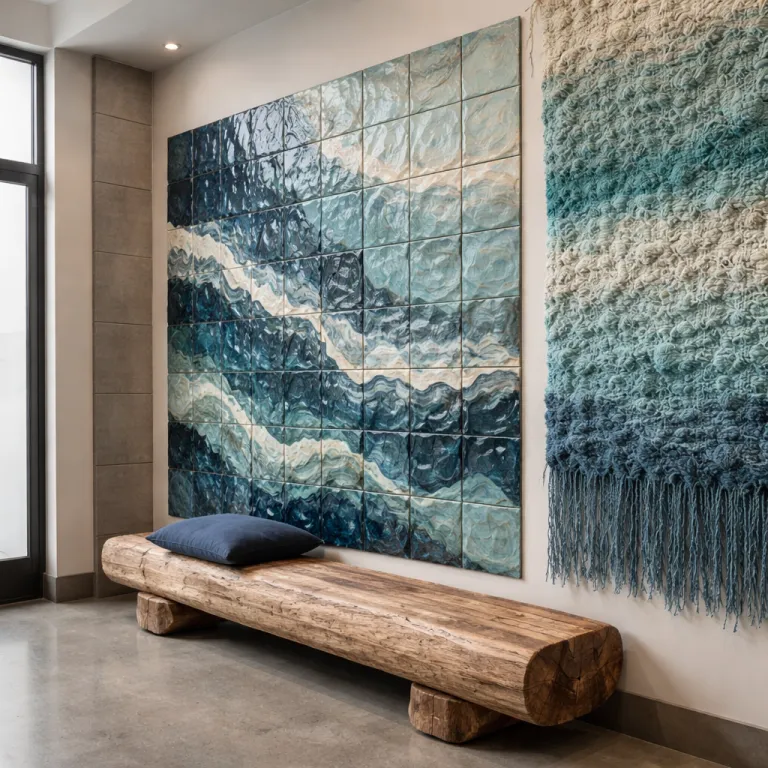
From imported glamour to hotel local art design as cultural capital
Luxury hospitality is undergoing a quiet but radical shift. The most interesting hotel interiors now treat design as cultural capital, where every piece of local art and every collaboration with nearby artists carries narrative weight for guests. In this new landscape, a hotel that still relies on anonymous décor feels strangely unfinished.
Across the world, hotels are reframing the guest experience around hotel local art design that is rooted in place. NU Hotel Brooklyn, for example, turned a selection of its rooms into “NU Perspectives” mural suites in 2010, commissioning Brooklyn-based artists to paint large-scale works directly onto the walls so that each interior becomes a lived-in art project rather than a generic hotel room. That move did more than decorate a property; it signalled a hospitality design philosophy that takes the local community into proper account and gives guests a tangible sense of the surrounding neighbourhood.
Industry case studies and guest review analyses consistently show that hotels integrating local art, regional furniture and collaborations with neighbourhood restaurants tend to earn stronger satisfaction scores. Hospitality Design Magazine has profiled several art-led boutique brands that reported double-digit increases in guest-satisfaction metrics and more frequent mentions of design in online reviews after introducing curated, site-specific collections. When a luxury hotel treats its lobby as a cultural hub, the hotel lobby stops being a pass-through space and becomes the first chapter of a story that guests remember long after check-out. This is hotel local art design as long-term emotional investment, not short-term visual impact.
For travelers using a curated platform such as Incredible Stay, this shift changes how you evaluate hotels. You are no longer just comparing a list of luxury hotels by star rating or by brand identity; you are assessing how each hotel brand uses interior design, local artwork and artist collaborations to create a meaningful guest experience. The question becomes simple yet demanding for any property: does this hotel art and interior design help me understand where I am, or could this space be anywhere?
Art-focused properties like LUMA Hotel San Francisco, which features an illuminated lobby installation by artist Jim Campbell, or Saint Kate – The Arts Hotel in Milwaukee, show how a single art hotel project can anchor an entire guest journey. These hotels use high quality pieces from local artists as wayfinding, as conversation starters and as quiet companions in guest rooms. As one general manager at an arts-led property put it in a recent hospitality interview, “When guests ask about a painting, that conversation often becomes the moment they remember most from their stay.” The result is a hospitality experience where design, art and service work together as one coherent brand.
For a luxury and premium booking website, the implication is clear. To curate genuinely exceptional hotels, the platform must look beyond glossy photography and ask how each property’s design team collaborates with local artists and craftspeople. Only then can a collection of hotels claim to offer hotel local art design and cultural programming that feel both refined and unmistakably rooted in their surroundings.
Why authenticity in hotel local art design outperforms polished sameness
Polish is easy to buy; authenticity is painstaking to build. A hotel can import marble, commission a global star for its interior design and still leave guests cold if the space ignores its local context. By contrast, a modest project that integrates thoughtful hotel art, neighbourhood stories and local art can feel quietly luxurious because it respects the histories of its streets and residents.
Recent travel industry surveys indicate that a majority of travelers now actively seek cultural experiences when choosing hotels. One widely cited report from the past few years, for example, found that well over half of respondents prioritise access to local culture and creative scenes when booking. That demand reshapes how a luxury hotel should create its interiors, because guests increasingly judge a property by how it reflects local life rather than by how many chandeliers hang in the hotel lobby. When a hotel brand understands this, it treats every corridor, bar and set of guest rooms as a chance to stage meaningful encounters with local artists and artisans.
On Incredible Stay, we see the best performing hotels using hotel local art design as a strategic tool rather than as decorative afterthought. They commission site-specific pieces, rotate exhibitions and invite artists to work in residence, turning the property into a living cultural programme. This approach aligns with insights shared in specialist analyses of how exclusive design elevates every stay on a luxury hotel booking website, where design is framed as a driver of loyalty and emotional connection rather than a cost centre.
Authenticity also has a clear economic logic for hotels. Commissioning local art and working with nearby craftspeople often reduces shipping and import costs, while creating jobs and visibility within the community. That local goodwill feeds back into the guest experience, because staff speak with pride about the work on the walls and the design team can iterate quickly with nearby collaborators. As one ceramicist who supplies a boutique hotel noted in an interview, “Seeing guests use our pieces every day makes the building feel like part of the studio, not just another property.”
For travelers, the challenge is learning to distinguish genuine cultural integration from token gestures. A property that sprinkles a few generic prints from distant artists into its hotel interior is not practicing true hospitality design rooted in place. Look instead for hotels that credit local artists by name, explain the stories behind specific pieces and integrate art into functional spaces such as elevators, stairwells and even in-room amenities.
When you scroll through a hotel listing, read the design description as closely as you would the room size. Does the property explain how its interior design reflects local materials, colours and narratives, or does it rely on vague language about contemporary style? In a market where hotel local art design, artist residencies and neighbourhood collaborations are becoming key differentiators, that level of detail is often the most reliable indicator of whether a stay will feel genuinely memorable.
How leading hotels and designers choreograph local art into every space
The most compelling examples of hotel local art design today come from properties that treat collaboration as a core discipline. At Lancaster Arts Hotel in Pennsylvania, hundreds of original pieces by regional artists are woven through corridors, guest rooms and public areas, turning the entire property into a curated gallery. Saint Kate – The Arts Hotel goes further, layering live performances, working studios and installations into its hospitality model so that guests inhabit an evolving art hotel rather than a static museum.
Designers such as Kelly Wearstler have long understood that a hotel interior must feel like a narrative, not a showroom. Her work for Downtown L.A. Proper Hotel in Los Angeles shows how a design team can blend vintage furniture, regional textiles and commissions from local artists into a cohesive hospitality design language. The result is a luxury hotel where every space, from the hotel lobby to the most compact guest rooms, feels both cinematic and grounded in its city.
Architecture and design studios like Stonehill Taylor offer another lens on hotel local art design. Their projects often integrate local art and craft from the earliest planning stages, ensuring that structural decisions, lighting and circulation all support the display of high quality pieces. This level of integration contrasts sharply with properties that treat hotel art as a late-stage procurement exercise, where works are simply hung wherever there is empty wall space.
For travelers, understanding these behind-the-scenes dynamics helps you read between the lines of marketing copy. When a hotel brand talks about its collaboration with a specific design team or names artists and craftspeople, it signals a deeper commitment to place. That is the kind of detail you will find highlighted in thoughtful editorial features about refined hotel stays inspired by tailoring-level precision, where every stitch of the interior is intentional.
On a curated booking platform, we translate this knowledge into practical filters and editorial curation. Properties are evaluated not only on star ratings but on how convincingly their hotel local art design, cultural programming and partnerships with local institutions express a coherent brand identity anchored in the local context. A hotel that can articulate why a particular series of pieces hangs in its lobby, and how those works relate to the surrounding streets, will always rank higher than one that simply follows global trends.
As you plan your next trip, treat the design story as part of the destination itself. Choosing between hotels becomes less about square metres and more about which property’s interior narrative you want to inhabit for a few nights. In that sense, booking through a platform that foregrounds hotel local art design and artist collaborations is not an aesthetic preference; it is a way of curating the cultural chapters of your journey.
Navigating brand consistency, tokenism and the future of hotel local art design
Global hotel brands face a delicate tension between consistency and local specificity. Guests expect a certain level of high quality service and comfort from any major hotel brand, yet they increasingly reject copy-paste interiors that ignore local culture. The most forward-thinking luxury hotels resolve this by defining a flexible brand identity that leaves room for local artists and craftspeople to shape each property.
In practice, that means a design team sets core principles for comfort, sustainability and hospitality design, then invites local collaborators to interpret those principles through their own materials and stories. One property might feature ceramics from a nearby studio, while another commissions large-scale hotel art from regional painters to animate its hotel lobby and restaurants. Across the portfolio, the work feels related but never repetitive, which is precisely what culturally curious guests now seek.
Tokenism remains a real risk, especially when deadlines are tight and a project team treats local art as a box to tick. A few generic pieces in the lobby, a mural near the elevators and a line about supporting local artists in the brochure do not constitute meaningful engagement. Travelers can sense this gap, and guest experience scores often reflect the difference between deeply integrated hotel local art design and surface-level gestures.
To evaluate sincerity, pay attention to how a property talks about its collaborations. Does the hotel interior narrative mention specific local art initiatives, artist residencies or long-term partnerships, or does it rely on vague references to culture? Hotels that host on-site exhibitions, invite guests to attend talks and publish guides to the surrounding art scene usually have more substantial relationships with their creative partners.
From an economic perspective, investing in local art and design is not just a branding exercise. It builds durable relationships with communities, generates repeat visits from guests who feel emotionally connected to the property and differentiates hotels in a crowded marketplace of luxury and premium options. Industry commentary increasingly describes “hotels as cultural hubs,” “art-themed accommodations” and “collaborations with local artists” as central strategies rather than niche experiments.
For platforms like Incredible Stay, the future of curation lies in making these dynamics transparent. We highlight hotels where hotel local art design is inseparable from the overall hospitality concept, where every space has been created with proper attention to local narratives and guest comfort. In doing so, we help solo explorers and design-conscious travelers book not just a room, but a stay that will quietly reshape how they think about hotels for years to come.
Key figures shaping hotel local art design
- Recent coverage in Hospitality Design Magazine notes that dozens of art-focused hotels worldwide now position themselves explicitly around local art and cultural programming, signalling that hotel local art design and artist-led hospitality have moved into the mainstream of luxury travel.
- Multiple Travel Industry Reports over the past few years have found that a significant share of travelers say they actively seek cultural experiences when choosing where to stay, which helps explain why hotels that integrate local artists, regional pieces and neighbourhood collaborations often see stronger guest satisfaction scores.
- Industry analyses from WATG Advisory note that design is shifting from a transactional amenity to a creator of long-term emotional and cultural capital, meaning that investments in hotel art, interior design and collaborations with local artists can generate returns far beyond the initial project budget.
Sources
- Hospitality Design Magazine (editorial features on art-focused hotels and cultural programming, including coverage of properties such as Saint Kate – The Arts Hotel and Lancaster Arts Hotel)
- WATG Advisory (reports on design-led hospitality, emotional capital and the business case for investing in distinctive interiors)
- Travel Industry Report (surveys on traveler preferences for cultural experiences and demand for locally rooted stays)