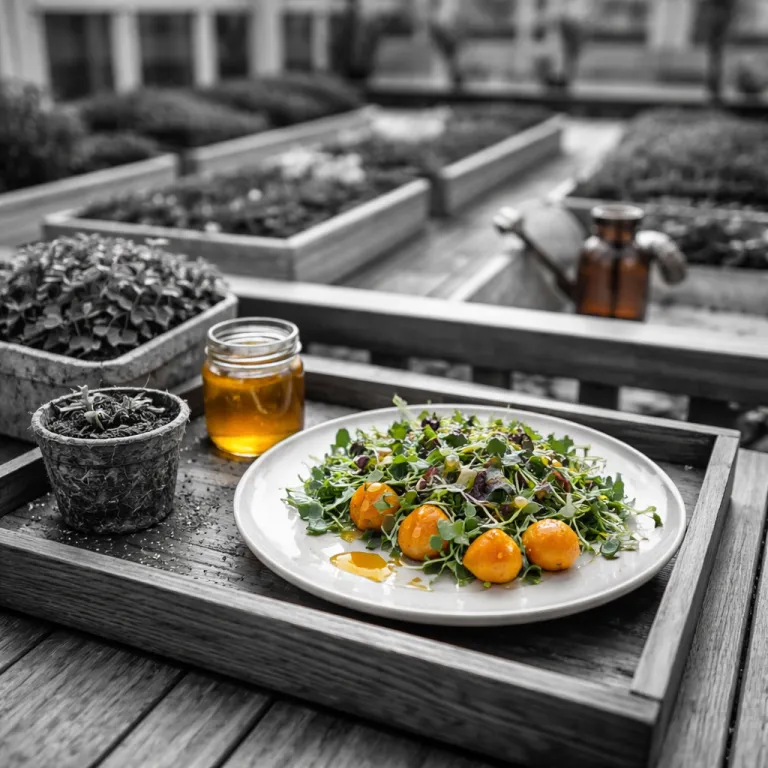
Hotel kitchen gardens and farm-to-table luxury dining
Why hotel kitchen gardens are redefining luxury dining
Luxury used to mean white tablecloths and imported caviar. Today, the most interesting hotel kitchen garden and farm-to-table luxury stories begin in the soil just a few metres from your suite. For a solo explorer planning travel around food, that shift changes not only where you stay but how you eat.
Across the world, the most forward-thinking hotel and resort teams now treat the on-site farm as a core part of the guest experience, not a side project. A 2023 report from the Global Luxury Travel Insight Series notes that around 60 percent of high-end travellers prioritise a hotel with a serious restaurant, and properties that invest in distinctive food concepts report up to a 40 percent surge in positive reviews compared with similar hotels in the same market (Global Luxury Travel Insight Series, 2023). When those concepts are rooted in a working farm or organic garden, the result is a dining narrative that feels specific to one place rather than copy-pasted luxury.
At Orlando World Center Marriott, a HyCube hydroponic system turns an unused corner into a vertical farm that feeds the main restaurant kitchen with ultra-fresh vegetables and herbs. SingleThread Farm in California runs its own working farm to supply its inn and restaurant, while Alba Wellness Valley by Fusion in Vietnam cultivates gardens and orchards that shape every menu. These hotels are part of a wider movement where on-site gardens, rooftop greenhouses and even small kitchen plots replace anonymous suppliers, and where the best tables are now measured in metres from the vegetable beds rather than in stars alone.
From farm table marketing to genuinely grown on site
Many hotels talk about farm to table, yet only a fraction operate a true working farm or productive kitchen garden. The difference becomes obvious once you start asking how many dishes on the menu actually depend on what is growing outside that day. For travellers who care about food integrity and authentic farm-to-table luxury, that detail matters more than any polished sustainability slogan.
In practice, a serious hotel kitchen garden and farm-driven luxury program usually combines several elements rather than a single showpiece plot. You might see compact kitchen gardens near the restaurant, a larger organic farm on the edge of the property, and satellite gardens dedicated to specific vegetables, herbs or heritage grains. Some resorts add rooftop apiaries and orchards, while others partner with nearby farms to supplement what their own gardens cannot produce consistently.
Look at how the chef talks about local ingredients when you read a hotel website or sit at the garden table for dinner. If the team can explain which herbs and vegetables came from the raised beds, which salads rely on the organic garden, and which preserves were made during last season’s glut, you are probably in the right place. For a deeper dive into how a serious chef can become the real reason to book, the analysis in this guide to restaurants where the chef matters more than the concierge offers a useful lens for evaluating ambitious hotel kitchens.
What guests actually taste: freshness, rarity and story
From a guest perspective, the appeal of hotel kitchen gardens and farm-to-table luxury is not theoretical. You notice it in the snap of a just-picked bean, the perfume of torn herbs, the way vegetables hold their shape on the plate. Then you realise the whole restaurant menu feels lighter, more precise and strangely more memorable.
Chefs working with a real vegetable garden or organic farm talk less about abundance and more about timing and texture. Leaves are cut minutes before service, herbs and vegetables are harvested at different stages for contrast, and fruits are allowed to ripen fully because they do not need to survive transport. This is where agrobiodiversity becomes tangible for the traveller, as rare local varieties and forgotten greens appear in tasting menus that could not be replicated in a city kitchen relying only on wholesale markets.
Some of the most interesting hotels now use their gardens to showcase plant-forward food that still feels indulgent. Global data from the EHL Hospitality Business School and the World Resources Institute shows a steady rise in demand for gut-friendly whole foods and natural ingredients, and many luxury hotels have committed to offering at least a quarter of their dishes as plant-led options (EHL Hospitality Business School & World Resources Institute, 2022). If you want to understand how far a kitchen can push this philosophy, the in-depth perspective on culinary artistry at The French Laundry, available in this refined review of a benchmark restaurant, provides a useful benchmark for evaluating ambition even in more casual resort settings.
The garden as a creative tool for chefs, not a backdrop
When a hotel treats its garden as a photo backdrop, you end up with the same three herbs and a predictable salad. When the kitchen garden becomes a creative tool, the chef gains a living pantry that can change the entire rhythm of the restaurant. For solo travellers who plan their travel around food, that difference is the line between a pleasant dinner and a stay that rewrites your personal list of great meals.
Serious chefs walk the gardens daily, tasting leaves, checking soil and planning dishes around what is thriving rather than forcing a fixed menu. At properties like SingleThread Farm, the inn and restaurant operate almost as an integrated organism, where the working farm dictates the flow of tasting menus and the kitchen responds with techniques that respect each ingredient. SingleThread’s team has spoken publicly about certain menus drawing more than 70 percent of their produce from the farm in peak season, with harvest decisions made just hours before guests sit down to eat (SingleThread Farm, 2021). This approach aligns with data showing that properties with distinctive food and beverage concepts see a significant uplift in guest satisfaction, because the restaurant feels inseparable from the place rather than bolted on.
For you as a guest, the most telling moment often comes when the chef or gardener appears at your table to explain a dish. They might bring a small tray of soil-flecked roots, a bowl of just-picked vegetables and herbs or a sprig from the kitchen gardens to show how the flavour changes through the season. For a different but complementary lens on how a restaurant can define an entire stay, the detailed analysis of destination dining in this guide to hotels where amenities reshape the experience shows how food can play the same anchoring role as architecture or wellness.
How to read between the rows: spotting real kitchen gardens
Not every herb bed beside a hotel restaurant signals a serious commitment to hotel kitchen gardens or farm-to-table luxury. Some gardens are essentially decorative, planted for photo courtesy moments and social media rather than for the kitchen. As a traveller, you can learn to distinguish a productive plot from a staged one in a few minutes.
Start with scale and diversity rather than perfection, because a real working farm or organic garden looks busy, slightly chaotic and full of rotation. You should see a mix of leafy greens, root vegetables, flowering herbs and vegetables and perhaps fruit trees or berries, not just a neat row of mint and basil. Paths will be worn, compost piles visible, and you may notice staff moving between the garden and kitchen with crates during service.
Ask direct questions about how much of the menu depends on the garden table and how the team handles gaps in supply. Genuine operations will explain which dishes rely on local ingredients from their own plots and which are supplemented by nearby farms, often referencing specific partners or even agrobiodiversity programs. When you hear clear answers about reduction in food miles, seasonal constraints and how the garden shapes daily specials, you are likely looking at a hotel where soil, suite and table are part of the same thoughtful system.
FAQ
Which hotels genuinely grow their own food for guests ?
Several high-profile properties now run serious on-site farms or gardens that feed their restaurants. Orlando World Center Marriott operates a HyCube hydroponic system, SingleThread Farm in California supplies its inn and restaurant from its own fields, and Alba Wellness Valley by Fusion in Vietnam cultivates extensive gardens and orchards. These examples show how both large hotels and intimate inns can integrate production into daily service.
Why are luxury hotels investing in kitchen gardens and farms ?
High-end hotels grow their own produce to improve food quality, reduce their carbon footprint and offer guests a more grounded sense of place. On-site gardens and farms allow chefs to harvest ingredients at peak ripeness, which is difficult with long supply chains. They also appeal strongly to eco-conscious travellers who value transparency about where their meals come from.
How do hotels typically grow food on site ?
Most properties combine traditional gardens with more technical systems to maximise yield and reliability. You will see open-air kitchen gardens, greenhouse tunnels, hydroponic units such as the HyCube system and sometimes rooftop apiaries for honey. These methods help hotels manage different climates, protect crops and supply restaurants consistently throughout the year.
What should I look for to know if a hotel garden is real or decorative ?
A productive kitchen garden usually shows signs of constant use, such as mixed plantings, compost areas and staff moving produce to the kitchen. You should see a variety of crops at different stages of growth rather than a single row of perfect herbs. When staff can explain which menu items depend on the garden that week, it is a strong indicator that the plot is more than a backdrop.
Do hotel gardens significantly reduce environmental impact ?
On-site production can cut food miles by a meaningful margin, especially for fragile ingredients like salad leaves and herbs. A 2022 review by the Sustainable Hospitality Alliance, drawing on European urban-farming case studies, suggests that hotels with their own farms can reduce transport-related emissions for certain products by around a third compared with conventional sourcing (Sustainable Hospitality Alliance, 2022). While gardens are not a complete solution, they form an important part of broader sustainability strategies that also include energy, water and waste management.