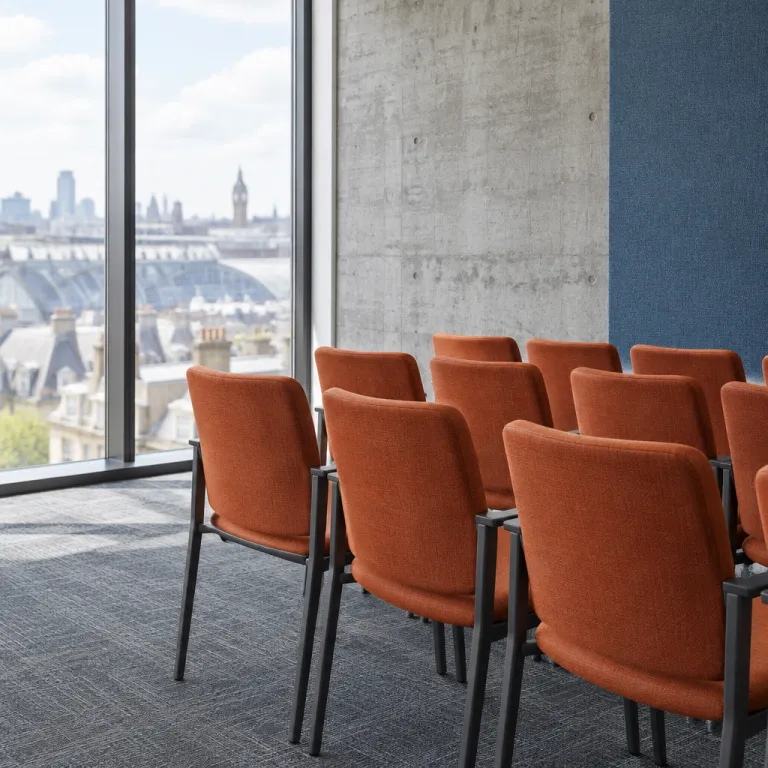
Understanding Charing Cross hotel meeting rooms capacity in central London
Charing Cross hotel meeting rooms capacity matters when every person in the room needs comfort. In central London, where minutes and metres both count, knowing how many people each meeting room can host helps you match your agenda to the right space and avoid costly last minute changes. For premium travellers and corporate planners, the balance between generous capacity and refined service defines whether a hotel meeting feels effortless or strained.
The Clermont London, Charing Cross sits beside the historic mainline station, giving you a location that keeps people connected to the rest of London. From this central base, guests can walk to Covent Garden, Trafalgar Square, the Strand, and St James’s Park in only a few minutes, which makes the address especially attractive for international events. When you evaluate any hotel meeting offer here, you should always compare how many bedrooms can be reserved on site with the number of guests expected in your largest function room, because overflow into other venues can quickly erode the sense of an integrated urban retreat.
Within the Clermont Charing Cross property, each event space has a clearly defined capacity that ranges from a small meeting for eight to ten people up to a major event for more than one hundred guests. The largest room, the Ballroom, is listed in the hotel’s meetings and events brochure at around 150 guests theatre style, 90 in cabaret, and 120 for a banquet, with ceilings of over 5 metres and built in chandeliers. Figures such as these should always be checked against the latest hotel documentation or confirmed with the on site events team, because capacity charts and layouts can change after refurbishments or equipment upgrades.
Matching meeting rooms to event formats and time of day
Choosing the right Charing Cross hotel meeting rooms capacity starts with your format, not just your guest list. A training session for thirty people in a meeting room with natural light and flexible tables feels very different from a board level small meeting for twelve in a more intimate room, even if both technically fit within the same stated capacity. When you plan meetings in hotels around Charing Cross, always ask for layout diagrams that show how the room changes between theatre, cabaret, classroom, and U shaped seating.
Time of day also shapes how you use central London venues, because an early morning briefing for busy people may require a shorter hire period and a lighter set up than an all day conference. Many hotel meeting contracts in this area are structured by the hour or by a half day, so understanding whether you need a two hour medium session or a full day package can significantly change your budget. For example, a day delegate package at The Clermont London might include coffee breaks, lunch, and basic audiovisual support for an eight hour day, while a shorter hire for a small meeting near Covent Garden focuses on room only use with à la carte catering.
Urban retreats in the Charing Cross neighbourhood also need to consider how guests move between larger plenary rooms and smaller breakout spaces. If your event uses the largest room for keynote talks and several smaller meeting rooms for workshops, you should confirm that the hotel’s events floor can comfortably handle the flow of people between sessions without bottlenecks. For travellers comparing different venues on a premium booking website, detailed floor plans and clear notes on Charing Cross hotel meeting rooms capacity help you visualise how guests will circulate and whether the location truly supports your style of meetings.
For readers who appreciate refined city stays, it can be helpful to compare this London approach with an elegant urban stay in New York City, where compact footprints demand equally precise planning of room capacity and guest flow. The same principles apply on both sides of the Atlantic, especially when you want your event to feel calm despite the energy of the surrounding city. In every case, clarity about how many guests each room can host at each hour of the day remains your most reliable planning tool.
Location advantages around Charing Cross, Covent Garden, and St James Park
Location is the quiet luxury that underpins every successful event in London. When you choose a hotel near Charing Cross, you gain immediate access to rail links, Underground lines, and frequent buses that bring people from across London and beyond. This connectivity means that guests can attend meetings without long transfers, which often allows you to schedule a two hour medium session in the middle of the day without losing people to travel delays.
The Clermont London at Charing Cross stands at a crossroads between business and culture, with Covent Garden, the West End theatres, and St James’s Park all within a short walk. For international guests, this central London location turns a standard hotel meeting into an urban retreat, because people can step from the meeting rooms directly into some of the city’s most atmospheric streets. When you assess Charing Cross hotel meeting rooms capacity, remember that a venue here does more than host events; it anchors your programme in a neighbourhood where guests actually want to spend time before and after the formal meetings.
Proximity to landmarks also influences how you structure your events and how many rooms people need to book. A full day conference in the largest room might be paired with an evening reception that spills into nearby venues across Covent Garden, while a morning small meeting could be followed by a walking break through St James’s Park to reset attention. For planners who value sustainability and wellness, this ability to replace transfers with walking time echoes the thinking behind eco luxury tower hotels, where location and design work together to reduce friction for guests.
When you compare different venues around central London, look beyond the headline capacity and ask how the wider location supports your objectives. Does the property offer quick access to restaurants for informal meetings, or quiet corners for one to one conversations between sessions? Are there enough bedrooms on site to keep key people under one roof, or will you need to split guests between several hotels and risk losing the cohesive feel of an urban retreat? These questions help you translate the abstract idea of capacity into a concrete experience for every person attending.
Designing urban retreat style meetings at Clermont Charing Cross
Urban retreats in central London require more than a convenient postcode; they depend on thoughtful use of space and time. At Clermont Charing Cross, the blend of historic architecture and contemporary comfort allows planners to create meetings that feel both grounded and forward looking, especially when they use the full range of meeting rooms rather than relying only on the largest room. By mapping your agenda against the Charing Cross hotel meeting rooms capacity, you can design a rhythm of plenary events, breakout sessions, and informal gatherings that keeps guests engaged without overwhelming them.
One effective approach is to start the day with a plenary in the main Ballroom, then move people into smaller meeting rooms such as the Nelson or Victoria Suites for workshops or strategy sessions. Each meeting room can be set for a specific purpose, from a small meeting focused on negotiation training to a medium sized space configured for hybrid events with remote participants. When you work with the hotel meeting équipe, ask them to share previous layouts and timings that have worked well for similar numbers of guests, because their local expérience often reveals how to use capacity more intelligently.
Breaks are where an urban retreat truly differentiates itself from a standard corporate event. Instead of keeping people in the same room all day, you can guide guests through different venues within the hotel, using corridors, lounges, and foyers as transitional spaces that encourage informal conversations. This movement between rooms also helps you manage the flow of people, ensuring that no single location feels overcrowded even when the overall Charing Cross hotel meeting rooms capacity is fully used.
One recent technology client quoted in the hotel’s case studies described a two day leadership retreat where 80 delegates used the Ballroom for keynotes and three smaller rooms for breakouts, noting that “the spaces felt generous but never empty, and our teams moved between sessions without queues or confusion.” For planners interested in the future of high end hospitality, the way Clermont London handles meetings echoes broader shifts in ultra luxury, with guests increasingly expecting events to feel personalised, with spaces that adapt to the needs of each person rather than forcing people into rigid formats. By treating Charing Cross hotel meeting rooms capacity as a flexible toolkit rather than a fixed number, you can craft an urban retreat that feels tailored, calm, and quietly indulgent.
Practical capacity planning for different group sizes and durations
Capacity planning at a venue near Charing Cross begins with honest numbers. Start by listing how many people you expect for each part of the programme, then compare those figures with the stated capacity for every meeting room you are considering. Remember that the maximum number of guests often assumes a theatre style layout, so if you plan to use cabaret tables or classroom seating, you should reduce the headline capacity to maintain comfort.
For a small meeting of eight to twelve people, a compact room in Clermont London can feel both efficient and private, especially when booked by the hour for a focused strategy session. Medium sized meetings of twenty to forty guests usually benefit from a slightly larger room that allows for movement, side tables, and presentation equipment without crowding, which is where the hour based pricing structure can help you test different durations before committing to a full day hire. Large events that fill the largest room with more than one hundred people require more detailed planning, including staggered arrival times, clear signage, and possibly additional venues nearby for breakout sessions.
When you work with the hotel meeting team at Clermont Charing, ask them to share historical data on how similar events have used the space. They can often advise whether a particular meeting room feels comfortable at its stated maximum or whether most planners prefer to cap numbers slightly lower to preserve a sense of luxury. This is especially relevant when your guests include senior executives or high value clients, because their perception of space and privacy can influence how they remember the entire event.
It is also wise to consider how many bedrooms people will need for overnight stays, particularly if your event runs for more than one day. A central London location near the station and Covent Garden can tempt guests to extend their stay for leisure, so you may want to reserve an extra allocation of rooms to accommodate last minute decisions. By aligning bedroom capacity, meeting rooms capacity, and the flow of events across each hour of the programme, you create a coherent experience that feels both generous and precisely managed.
Evaluating value, service, and flexibility at Charing Cross venues
Value in a Charing Cross hotel meeting is not only about the rate per person; it is about how effectively the venue supports your objectives. A property that offers transparent pricing by the hour, half day, and full day allows you to match your budget to the actual use of each meeting room, rather than paying for unused time. When comparing venues across central London, look for packages that include essential services such as Wi Fi, basic audiovisual equipment, and filtered water, so you avoid incremental charges that can erode perceived value.
Service quality at Clermont London and other venues nearby often reveals itself in the details. Does the équipe respond quickly to layout changes, and can they reconfigure a room between meetings without disrupting guests in adjacent spaces? Are they proactive about suggesting alternative rooms when your numbers shift, perhaps moving you from a small meeting room to a medium sized option to maintain comfort without inflating costs? These questions help you assess whether the Charing Cross hotel meeting rooms capacity is managed as a living resource rather than a static list.
Flexibility also extends to how the hotel handles last minute changes in people or programme. A central London venue near the station is likely to see fluctuations in arrival times, so the ability to adjust catering schedules, extend a session by an extra hour, or open an additional meeting room can make the difference between a smooth event and a stressful one. When you review contracts, pay attention to clauses about minimum numbers of guests, cancellation windows, and the process for adding extra capacity, because these details determine how confidently you can adapt once the event is underway.
For travellers and planners using a luxury booking website, the most reassuring properties are those that present Charing Cross hotel meeting rooms capacity alongside clear descriptions of service standards and real guest feedback. This combination of quantitative data and qualitative insight allows you to choose a hotel meeting venue that aligns with your expectations for both comfort and professionalism. Over time, such careful selection builds a trusted network of venues where every person attending your events feels well hosted, from the first hour of arrival to the final conversation of the day.
Key statistics on London meetings and hotel venues
- According to London & Partners, the city hosts thousands of business events each year, making central London one of Europe’s most competitive markets for hotel meeting venues. Always refer to the latest London & Partners publications or research summaries for current figures.
- Data from the UK Meetings Industry Report indicates that events with between 25 and 50 delegates remain the most common size, which aligns well with the medium meeting rooms capacity typically offered at properties around Charing Cross and Covent Garden. Planners should consult the most recent edition of the report to verify year on year trends.
- VisitBritain reports that international business visitors to the UK spend significantly more per person per day than leisure travellers, which reinforces the importance of high quality service and efficient capacity planning at hotel venues. Exact spend levels can be checked in the latest VisitBritain business tourism statistics.
- Transport for London figures show that Charing Cross station handles tens of millions of passenger journeys annually, underlining why proximity to the station is such a critical factor when selecting a central London meeting room location. For precise passenger numbers, planners should review the most up to date TfL station usage data.
FAQ about Charing Cross hotel meeting rooms capacity
How many people can Charing Cross hotel meeting rooms typically accommodate ?
Most hotel meeting spaces around Charing Cross offer a range of capacities, from small meeting rooms for 6 to 12 people up to larger venues that can host more than 100 guests in theatre style. The exact rooms capacity depends on the layout, with cabaret or classroom formats usually reducing the maximum number of people. Always request detailed capacity charts for each meeting room configuration before confirming your booking.
Is the Clermont London at Charing Cross suitable for multi day events ?
Clermont London is well suited to multi day meetings because it combines a central London location near the station with a variety of meeting rooms and ample bedrooms. Guests can stay on site, attend events in the largest room or smaller breakout spaces, and explore nearby Covent Garden or St James’s Park during breaks. This integration of accommodation, venues, and urban attractions makes it a strong option for extended programmes.
How early should I book meeting rooms near Charing Cross for a large event ?
For events that aim to use the largest room or multiple venues within a hotel property, it is advisable to book several months in advance, especially during peak conference seasons. Central London locations near Charing Cross and Covent Garden are in high demand, so early booking secures both your preferred dates and the necessary rooms capacity. This also gives the hotel meeting équipe enough time to refine layouts and logistics for your specific number of guests.
What factors influence the cost per person for a Charing Cross hotel meeting ?
The cost per person usually reflects the duration of hire, the chosen meeting room, catering level, and included services such as audiovisual equipment or Wi Fi. Hour based or half day packages can be more economical for short meetings, while full day rates often include refreshments and lunch. Location near the station or other central London hubs may carry a premium, but it can reduce transport costs and time for your guests.
Can I combine hotel meeting rooms with external venues around Covent Garden ?
Many planners choose to host core meetings in a Charing Cross hotel and then use nearby venues in Covent Garden or across central London for dinners or social events. This approach allows you to keep the formal programme within a controlled hotel meeting environment while giving guests a broader taste of the city. When doing so, ensure that walking times and accessibility are factored into your schedule so every person can move comfortably between locations.