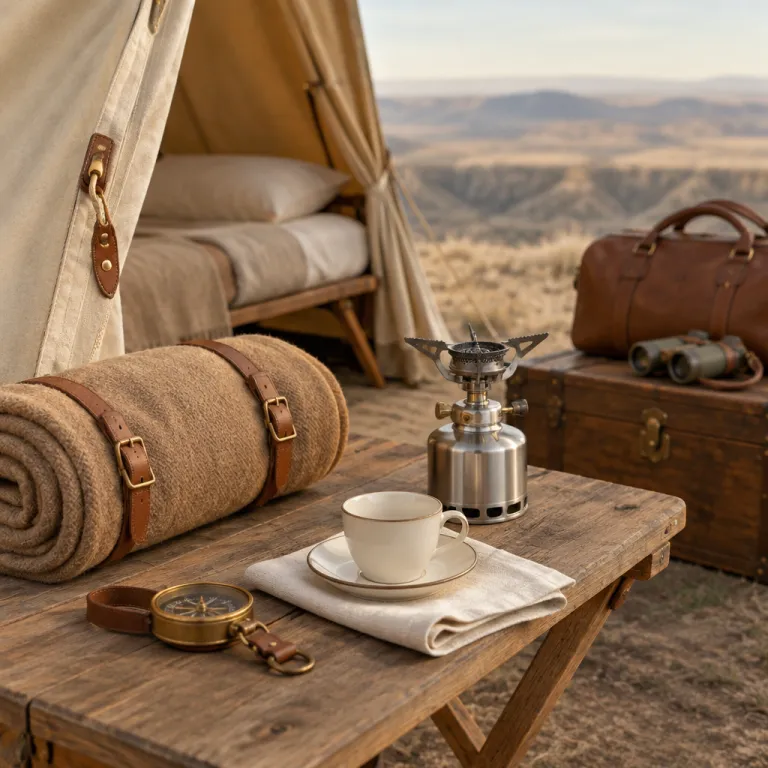
When the landscape is the amenity: defining expedition luxury
True expedition luxury remote lodge travel starts where the road ends and regular infrastructure fades out. In these places, the landscape is the amenity and the lodge becomes a quiet base camp that lets you explore without sacrificing rest or safety. The best lodges understand that every day in such remote wilderness must feel purposeful yet unhurried, with time for both guided outings and slow, reflective hours by the fire.
Think of a remote river lodge in Patagonia or a polar camp in the white desert of Antarctica, where expert guides lead a small group of guests on a day journey rather than a crowded excursion. Here, luxury is not about chandeliers but about a heated drying room, a reliable satellite connection and a hot tub that actually works after a twelve hour expedition on the ice. These are the details that separate a serious expedition from a marketing exercise with an expensive tent and a generator humming all night, and they are the reasons many travelers now search for “expedition luxury remote lodge” instead of generic five star resorts.
In Iceland, a luxury remote lodge in the Iceland Highlands or near a northern national park might look understated at first glance. Yet the way the team handles Iceland winter storms, last minute heli skiing changes or a delayed flight into Akureyri reveals the real standard. When you book expedition luxury remote lodge stays, you are paying for competence in harsh nature, not just for a pretty room with northern lights wallpaper, and that competence is what turns a remote wilderness trip into a safe, deeply memorable experience.
Logistics without infrastructure: where your money really goes
Once you leave the orbit of classic hotels resorts, logistics become the main cost driver and the backbone of any serious operation. Every litre of fuel, every fresh vegetable and every spare part for a snowmobile must be planned, shipped and often flown, which is why expedition luxury remote lodge pricing can feel steep at first glance. The question is whether the operation uses that budget to create real safety and comfort or simply to gloss over weak planning with surface level amenities.
In Iceland, properties such as Deplar Farm in the remote northern valley of Fljót showcase what meticulous logistics can achieve. Guests arrive to find gear in the right size ready for heli skiing, fly fishing or a quiet day journey into the Iceland Highlands, with expert guides already briefed on conditions. That level of preparation is what allows a solo traveler to move from a refined four star hotel in Tuscany, chosen through a carefully curated city or countryside stay, straight into a demanding expedition without feeling overwhelmed, because the transition from urban comfort to remote base camp has been carefully engineered.
In Patagonia or South America’s high desert plateaus, a serious lodge will have redundant power systems, medical kits that go beyond a basic bandage and evacuation protocols agreed with local authorities. These remote lodges often operate like small ships, where every day is planned down to fuel credits, staff rotations and weather windows, and where a single missed delivery can affect the entire week. When a lodge offers a surprisingly low rate in such a setting, ask what has been removed from the logistics budget, because in remote wilderness something always gives and it is rarely the marketing photography.
Guiding, access and the value of real expertise
For an expedition luxury remote lodge, guiding is not an add on; it is the core product and the main safety net. The best luxury lodges in Iceland, Patagonia or the polar regions invest heavily in expert guides who know the terrain, the wildlife and the risks, often returning season after season to the same valley or fjord. Without that depth of knowledge, you are paying five star prices for a scenic but shallow experience that could be replicated on a standard group tour.
In the far northern reaches of Iceland winter, a seasoned guide can read the sky and decide whether to chase the northern lights or pivot to a safer river lodge valley walk. In polar bear territory, the difference between a guide who has tracked polar bears for decades and a seasonal hire with a quick briefing is the difference between a transformative experience and a dangerous misstep. When you stay near a national park or in a remote desert, ask how long the guiding team has worked in that specific area, not just in generic adventure tourism, and whether they hold recognised certifications in avalanche safety, wilderness medicine or polar travel.
Access is another quiet marker of quality. A serious expedition base camp in the white desert or a remote wilderness fjord will have long standing relationships with local communities, pilots and rangers, which opens doors that casual operators cannot. That is how some lodges can offer private glacier landings, quiet fly fishing beats or heli skiing runs that never feel crowded. For solo explorers, this level of access turns a standard day into a day journey that feels like a once in a lifetime chapter, especially when paired with a thoughtfully chosen private pool villa in a hidden gem destination before or after the expedition, creating a contrast between soft luxury and hard wilderness.
Low impact comfort: sustainability as non negotiable luxury
In fragile environments, genuine expedition luxury remote lodge stays are defined as much by what you do not see as by what you do. You should not notice diesel fumes, overflowing waste or careless tracks across a protected valley, even when you are soaking in a hot tub under the northern lights. The best lodges treat sustainability as required, not optional, and publish clear commitments on emissions, waste and community impact rather than vague green slogans.
In Iceland, that might mean a river lodge drawing power from geothermal sources, strict limits on heli skiing flights and careful routing of snow vehicles away from sensitive moss. In Patagonia or South America’s high desert, it can look like grey water recycling, low impact building materials and menus that favour local producers over imported luxury, with seasonal ingredients replacing flown in delicacies. A serious polar base camp will have clear protocols for wildlife encounters, especially around polar bears and other species that are already under pressure, and will brief every guest on how to move through the landscape with minimal trace.
For solo travelers, this low impact approach often enhances the experience rather than restricting it. Smaller group sizes mean more time with expert guides and quieter moments in nature, whether you are watching polar bears from a safe distance or walking alone along a frozen river. When you compare lodge offers, ask for transparent information on energy use, waste management and community partnerships, just as you would scrutinise service standards at an elegant beach club in Naples through a carefully reviewed coastal retreat, and treat clear answers as a sign of genuine expedition level professionalism.
How to read the fine print: red flags and smart booking tactics
Not every remote lodge that markets itself as expedition luxury delivers on the promise. When you see glossy images of tents in the white desert or yurts in a northern valley, look past the styling to the infrastructure behind it and the way the stay is structured. A generator and a portable shower block do not turn a campsite into one of the world’s best luxury lodges, and a high nightly rate does not automatically equal a well run expedition base.
Start with safety and expertise. If a property in Iceland winter conditions or near a polar bear migration route cannot clearly explain its emergency procedures, guide qualifications and evacuation plans, the premium price is not justified. In remote wilderness, you should never feel that basic safety is treated as an optional extra or that credit is given to style over substance, especially when weather or wildlife conditions change quickly and decisions must be made under pressure.
Then examine how the stay is structured. A thoughtful expedition luxury remote lodge will build in rest days, flexible day journey options and space for solo reflection, rather than packing every day with activities to justify the rate. Look for clear information on what is included, from private transfers to gear rental, and be wary of vague promises about nature, northern lights sightings or wildlife that sound more like wishful thinking than responsible guidance. When the landscape is this powerful, the role of the lodge is to frame the experience with care, not to oversell it, and the fine print should read like a realistic expedition plan rather than a fantasy brochure.
FAQ
What actually defines an expedition luxury remote lodge ?
An expedition luxury remote lodge combines serious logistics, expert guiding and low impact operations in a location far from standard infrastructure. You should expect strong safety protocols, thoughtful comfort and meaningful access to nature rather than decorative opulence. If those elements are missing, the property is closer to an expensive tent than to a true expedition base, no matter how polished the interiors may look online.
How safe are remote wilderness lodges for solo travelers ?
Well run remote lodges can be very safe for solo travelers because group sizes are small and guides know every guest by name. Look for clear information on emergency procedures, communication systems and staff training before you book. If a property cannot answer detailed safety questions, choose another option and treat that lack of transparency as a warning sign rather than a minor oversight.
Why are expedition luxury stays more expensive than regular hotels ?
Operating in remote areas means higher costs for transport, staff, fuel and equipment, which all feed into the nightly rate. A serious expedition lodge also invests heavily in expert guides, safety gear and environmental measures. When done well, those costs translate into a deeper, safer and more comfortable experience than a standard hotel can offer, especially for travelers who value access to remote landscapes over urban conveniences.
How can I tell if a lodge is genuinely sustainable ?
Ask specific questions about energy sources, waste management, water use and local hiring rather than accepting generic green claims. Responsible lodges will share concrete practices, such as renewable power, limited flight schedules or partnerships with nearby communities. If the answers stay vague, the sustainability story is likely more marketing than reality, and you may want to direct your expedition budget elsewhere.
What should I pack for an expedition focused lodge stay ?
Most serious lodges provide technical gear, so focus on layering pieces, personal medications and any camera or notebook you need to record the journey. Check the packing list they send and clarify what is included on site, from boots to backpacks. When in doubt, travel lighter and rely on the lodge’s equipment rather than bringing your own untested kit, which may not perform well in Iceland winter storms or polar conditions.