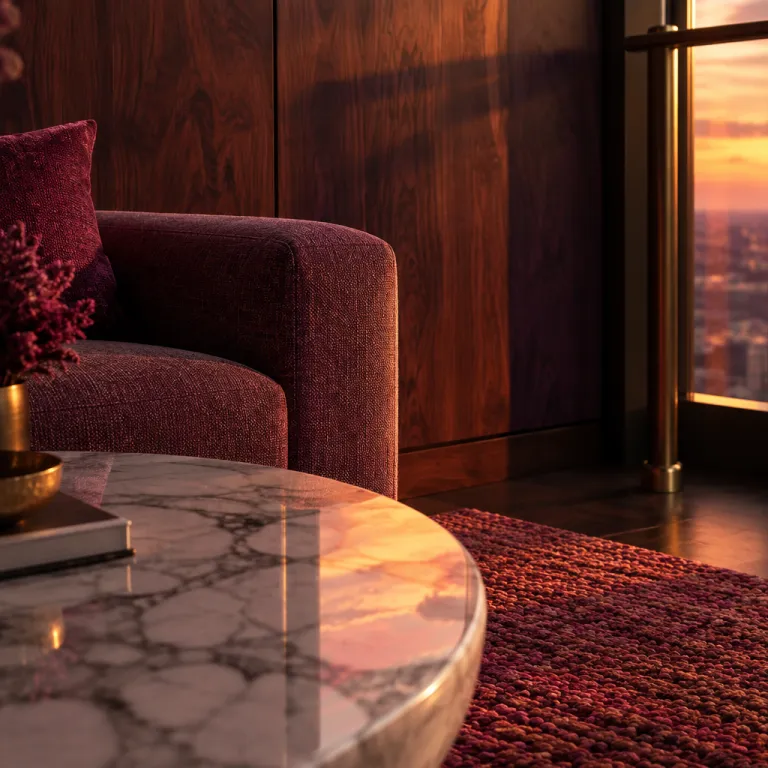
How hotel branded residences actually work for travelers
Hotel branded residences sit at the crossroads of private home and full service hotel. In practice, a branded residence is a deeded apartment or villa that is sold to an owner, then operated under a hotel brand with unified management and shared amenities. For you as a guest, that means the same front desk, spa, and restaurants you know from a flagship hotel, but extended into a residential wing that feels more like a long stay home.
Most residences are part of larger mixed use properties where real estate, hospitality, and lifestyle intersect. A branded residential tower might rise above a bay front pool deck, with owners using the same beach club, gym, and concierge as hotel guests, while paying separate fees for management and long term upkeep. In destinations such as Dubai, Phuket, and Miami, these residences are often marketed as part of a wider luxury lifestyle ecosystem that includes retail, marinas, and sometimes even schools.
From a booking perspective, you will usually see two channels for hotel branded residences. Some residences are placed into a rental program, so you can reserve them like an extended suite through the hotel website or a premium booking platform, while others remain strictly for owners and their guests. When you see language such as "residences for sale" or "managed by" a specific hotel brand, you are looking at the ownership side of the model rather than a standard nightly stay.
Why hotel brands and owners are embracing branded residences
Global hotel brands are not just selling rooms anymore ; they are selling addresses. A branded residence allows a group such as Fairmont, Hilton, or Ritz Carlton to extend its name from the lobby to the mailbox, deepening loyalty while generating real estate revenue through residences for sale. For investors, that combination of hotel management and residential ownership can create a powerful blend of capital appreciation and recurring service fees.
In markets like the UAE and the wider Middle East, branded residences have become a strategic way to anchor new districts. Think of residences Dubai projects on Dubai Islands, where a beach house style residence building might sit beside a hotel, sharing the same beach access and restaurants yet operating as separate properties on the balance sheet. In Saudi Arabia and across Saudi Arabia’s Red Sea coast, developers are pairing hotel towers with branded residential enclaves to secure year round occupancy and diversify income beyond seasonal tourism.
Operators in the United States are following a similar playbook, especially in cities where land is scarce and demand for hotel branded residences is strong. In Los Angeles and Midtown Miami, for example, a branded residence linked to a Waldorf Astoria or a Ritz Carlton can command a premium over non branded residential real estate. For the hotel, those residences help fund larger spas, better pools, and more ambitious restaurants than a pure hotel project could usually justify, which ultimately benefits suite bookers as well.
What owners get that hotel guests do not – and the reverse
Owning within hotel branded residences is not the same as booking a suite for a week. Residence owners typically receive long term storage, reserved parking, and the ability to customize interiors in ways that standard hotel rooms never allow, while still benefiting from hotel management and security. In many Fairmont, Hilton, or Banyan Tree projects, owners also enjoy priority access to spa reservations, private lounges, and sometimes separate pools or residences beach zones.
By contrast, hotel guests keep maximum flexibility and avoid the responsibilities that come with real estate ownership. You can arrive in Phuket for five nights, enjoy the same bay views and beach access as the branded residence owners, then leave without thinking about homeowners’ association meetings or long term maintenance. In urban settings such as Los Angeles or Midtown Miami, staying in the hotel side of a mixed use property often gives you faster housekeeping response and more frequent room refreshes than the residential side, which usually follows a different staffing model.
There is also a subtle difference in how service feels between residential and hotel zones. Owners in branded residences often build long term relationships with concierges and management teams, which can translate into a more anticipatory style of service over time. Guests booking a premium room at a city property such as the Moon Hotel Brooklyn, or a superior room in a Mediterranean resort highlighted in guides to Mallorca hotels with superior rooms, may receive equally polished service, but it is usually optimized for shorter, more transient stays.
How branded residences are reshaping hotel amenities and service tiers
Once a hotel adds a branded residence component, the entire amenity map tends to shift. Larger gyms, more expansive spas, and multi tier pool decks become viable because residential owners help underwrite the capital cost through real estate purchases and ongoing management fees. That is why you increasingly see residences Miami style developments with private cabanas, residents only lounges, and extended kids’ facilities attached to major hotel brands.
This layering of residential and hotel spaces also changes how teams are structured behind the scenes. Staff must be trained to serve both nightly guests and long term residents, balancing the immediacy expected by a family checking in for a week with the continuity required by someone who lives above the lobby year round. At properties in the United States and the Middle East, this often leads to more specialized concierges, separate housekeeping schedules, and distinct service tiers for hotel guests, long stay residents, and owners placing their units into a rental pool.
For travelers, the upside is tangible. You benefit from richer amenities, more varied dining, and often more thoughtful family programming, a trend mirrored in the evolution of kids’ facilities explored in guides to luxury hotels for families with teenagers. The trade off is that some spaces, such as a residences beach club or an owners’ lounge, may be off limits unless you book a specific category or stay within the residential inventory managed by the hotel.
Where to experience hotel branded residences around the world
Certain destinations have become laboratories for hotel branded residences, each with its own flavor. In Dubai, residences Dubai projects linked to brands such as Ritz Carlton, Waldorf Astoria, and Fairmont cluster around the bay, the beach, and emerging districts like Dubai Islands, offering everything from compact city pads to expansive beach house style villas. Across the UAE and the wider Middle East, similar residential and hotel hybrids are appearing in coastal enclaves, desert resorts, and new urban districts.
Asia brings a different rhythm to the branded residence story. In Phuket, Banyan Tree and other hotel brands have long combined villas for sale with resort style management, giving owners a retreat that can be placed into a rental pool when they are away. These properties often sit close to the beach yet feel more secluded than a typical hotel, blending residential privacy with access to spas, golf courses, and curated local experiences.
In the United States, the model is most visible in coastal and gateway cities. Residences Miami developments near South Beach or around the bay often pair a tower of branded residences with a hotel podium, while Los Angeles leans into skyline views and proximity to cultural districts. If you prefer an urban stay without ownership, you can still tap into this world by choosing hotels that share DNA with residential projects, such as premium comfort addresses highlighted in reviews of New York hotels offering strong value and service.
Questions to ask before booking into a branded residence environment
When you consider a stay within or beside hotel branded residences, clarity is your best ally. Ask whether you are booking a pure hotel room, a branded residence unit in a rental program, or a separate residential apartment managed by a third party, because service levels and inclusions can differ. Check which amenities are shared between the hotel and the residences, which are reserved for owners, and whether areas such as the residences beach, spa zones, or lounges carry extra fees.
Location details matter just as much as service structure. In a bay front project in Miami or a beach facing estate in the UAE, find out how far your specific building sits from the shoreline, the restaurants, and the main lobby, since some branded residences are set back behind the primary hotel. In urban settings like Midtown Miami or central Los Angeles, confirm whether your residence style suite faces a busy street or a quieter courtyard, and whether you have access to the same parking and arrival experience as hotel guests.
If you are considering ownership rather than a stay, the list of questions grows longer. You will want to understand the real estate fundamentals, the reputation of the brand and its management company, and the rules governing rentals and resale. For many travelers, though, the sweet spot is simpler ; enjoy the elevated amenities and polished service that branded residences bring to a hotel, then leave the long term commitments to those who truly want to keep the address.
FAQ
What is the main difference between a hotel branded residence and a regular hotel suite ?
A hotel branded residence is a privately owned apartment or villa that is operated under a hotel brand, while a regular hotel suite is part of the hotel’s own inventory. Residences usually come with ownership rights, homeowners’ fees, and the option to personalize interiors, whereas suites are standardized and booked per night. Both can share amenities and management, but only the residence functions as real estate.
Can I book a stay in a branded residence without buying one ?
In many projects, yes. Owners often place their branded residences into a rental program managed by the hotel, allowing you to book them like extended stay suites. Availability depends on the specific property and how many owners choose to participate in the rental pool.
Do branded residences reduce the sense of intimacy in a luxury hotel ?
They can, especially in very large mixed use developments where residential towers significantly increase the number of people using shared spaces. Some hotels address this by creating separate entrances, pools, or lounges for residents and hotel guests. If intimacy matters to you, look for properties with clear zoning and a strong reputation for service management.
Are hotel branded residences a good option for business travelers extending their stay ?
They often work well for business leisure travelers who want more space and a residential feel. A branded residence with a kitchen, laundry, and separate living area can make a week long stay in Dubai, Los Angeles, or Miami feel more like home while still providing hotel level service. The trade off is that daily housekeeping and in room dining may be less frequent or structured differently than in a pure hotel suite.
How should I evaluate a branded residence project if I am considering buying ?
Focus on three pillars : the strength of the hotel brand, the quality of the real estate, and the transparency of the management structure. Review the service agreement, rental rules, and resale conditions carefully, and compare fees with similar properties in the same market. Visiting both the hotel and the residences, and speaking with existing owners when possible, will give you a clearer sense of long term value.