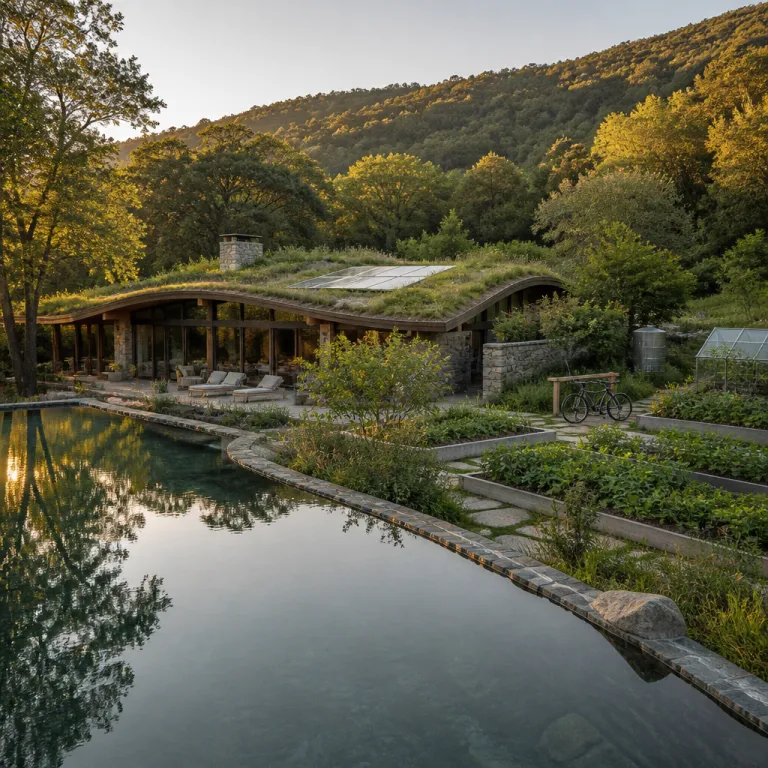
What carbon neutral really means when a hotel promises net zero
Carbon neutral sounds reassuring when you are choosing a hotel. For a carbon neutral luxury hotel net zero is not a slogan but a technical commitment that reshapes design, operations, and the guest journey. Understanding how a property reaches net zero carbon emissions helps you separate serious sustainability from marketing gloss.
At its core, a carbon neutral luxury hotel net zero strategy starts with measuring every source of carbon in the building and its operations. This includes direct carbon emissions from on site energy consumption, indirect emissions from purchased electricity, and the wider carbon footprint of supply chains that deliver food, amenities, and laundry services. Only after a hotel has used a robust zero methodology to reduce emissions as far as possible should it consider high quality offsets to balance the remaining hotel carbon impact.
The hospitality industry often confuses guests by using terms like carbon neutral, net zero, and even carbon negative interchangeably. Net zero means that over a year the hotel’s verified net greenhouse gas emissions are balanced by removals, while carbon neutral can rely more heavily on offsets without deep operational change. A genuinely sustainable path demands that hotels reduce reliance on fossil fuels, cut waste, and prioritize renewable energy before turning to offsets, and the most credible methodology hotels follow is transparent about these steps.
The pioneers: from Hotel Marcel to regenerative hotels and resorts
Some hotels now show that a carbon neutral luxury hotel net zero approach can sit comfortably with five star expectations. In New Haven, Hotel Marcel has become a reference point in the hospitality industry for its ambition to operate as a zero hotel powered entirely by renewable energy while offering a polished, design led stay. The building’s transformation from a mid century office block into a contemporary hotel demonstrates how deep retrofits can reduce energy consumption and hotel carbon without sacrificing comfort.
Hotel Marcel uses an all electric system that removes fossil fuels from heating, hot water, and kitchen operations. Solar panels and other renewable energy sources supply electricity, while high performance insulation and triple glazing reduce energy losses from the building envelope. For guests, this zero carbon engineering translates into quieter rooms, more stable temperatures, and cleaner indoor air, proving that sustainability and hospitality can reinforce each other.
Far from Connecticut, new hotels resorts in destinations like Saudi Arabia’s Red Sea coast are being planned as net zero enclaves from day one. Projects such as the ultra luxury development at Amaala are designed so that every hotel, spa, and residence runs on renewable energy and advanced water systems that reduce waste and protect fragile marine ecosystems. For a deeper look at how one flagship property is approaching a zero carbon future, see our review of Rosewood Amaala and its zero carbon ultra luxury vision.
Inside the operations: energy, water, food, and waste without compromise
Behind the scenes, a carbon neutral luxury hotel net zero operation is a choreography of systems that most guests never notice. Energy, water, food, and waste streams are tracked with a level of detail that would have seemed excessive in the hospitality industry a decade ago but now underpins credible sustainability. When done well, this methodology enhances the guest experience rather than constraining it.
Energy consumption is the first frontier, because every kilowatt saved reduces carbon emissions and operating costs. High efficiency heat pumps, smart room controls, and LED lighting reduce the hotel carbon load, while on site solar arrays and power purchase agreements bring in renewable energy that displaces fossil fuels from the grid. Some hotels go further by targeting carbon negative operations through regenerative landscaping that sequesters carbon in soil and vegetation around the building.
Water and food systems are just as critical as kilowatts and kilowatt hours. Low flow fixtures, greywater reuse, and rainwater capture reduce the water footprint without compromising pressure in your rainfall shower, while kitchen teams redesign menus to cut food waste and highlight local, seasonal produce. For a clear view of how even well intentioned properties can struggle with contradictions between solar panels and single use plastics, read our analysis of the sustainability contradictions hotels still have not solved.
How sustainability can quietly upgrade the guest experience
For many travelers, the fear is simple ; a carbon neutral luxury hotel net zero promise might mean fewer amenities or a hair shirt aesthetic. The reality in the best hotels is the opposite, because sustainability becomes a design brief for comfort, calm, and character. When a hotel uses sustainability as a lens rather than a limit, guests feel the difference in the smallest details.
Natural ventilation, high quality insulation, and non toxic materials improve air quality and acoustics throughout the building. Electric vehicles for airport transfers and on site logistics reduce noise and fumes, while efficient energy systems keep room temperatures stable without the constant hum of traditional air conditioning. Many eco friendly hotels now use daylight, biophilic design, and local stone or timber to create spaces that feel grounded in their landscape, which is a more subtle luxury than another layer of chrome.
Food and beverage programs are where guests most clearly taste sustainability. Short supply chains mean fresher ingredients, and chefs who work closely with nearby farms can reduce food waste while elevating flavor and nutrition for guests. If you are planning a stay where low impact design meets high indulgence, you can pair a net zero property with a suite that includes a secluded plunge pool by using our guide to the new allure of in room private pool hotels for modern luxury travelers.
The business case: why net zero hotels are winning on the balance sheet
Behind every carbon neutral luxury hotel net zero pledge sits a spreadsheet as well as a philosophy. Owners and operators now see that sustainability can reduce long term costs, attract ESG focused travelers, and support premium pricing when the experience matches the narrative. The shift is turning sustainability from a compliance exercise into a core part of hospitality strategy.
Energy efficiency investments often pay back quickly because they cut energy consumption and shield hotels from volatile fossil fuels prices. Over time, lower utility bills, reduced waste disposal costs, and optimized water use improve margins, while renewable energy contracts provide price stability that traditional power cannot match. Corporate clients with their own carbon footprint targets increasingly prefer hotels and resorts that can provide verified net emissions data for business travel reporting.
Leisure guests are also voting with their wallets, especially solo travelers and younger luxury audiences who see climate change as a defining issue. These guests are willing to pay more for hotels that can show a clear zero methodology, transparent reporting, and third party verification rather than vague eco friendly language. For investors, the combination of lower operating risk, stronger brand equity, and regulatory resilience makes net zero hotels a logical evolution rather than a niche experiment.
How to read the fine print: certifications, claims, and credible methodology
When you browse a carbon neutral luxury hotel net zero claim on a booking site, the language can feel opaque. Some hotels rely heavily on offsets, while others have re engineered their entire building and supply chain to reduce emissions at the source. Your task as a traveler is to distinguish between marketing and measurable progress.
Start by looking for certifications with rigorous standards and independent audits. Labels such as B Corp, EarthCheck, LEED, and Green Key Global require hotels to track energy, water, waste, and carbon emissions using a consistent methodology, and they often publish performance data that you can review. Be cautious with self created green badges or vague references to sustainability that lack numbers, timelines, or mention of a verified net pathway to net zero.
Next, read how the hotel talks about its operations rather than its intentions. Credible methodology hotels explain how they reduce energy consumption, manage water use, and minimize waste, and they may reference frameworks like the Science Based Targets initiative or the Greenhouse Gas Protocol. If a property mentions zero carbon goals, ask whether it covers only direct operations or also the wider carbon footprint from food, construction materials, and guest travel, because the boundaries of what counts as a zero hotel can vary widely.
What solo explorers can do to support truly sustainable luxury stays
As a solo explorer, your choices help shape which carbon neutral luxury hotel net zero projects thrive. You may not control a hotel’s building design or energy systems, but you do influence demand for properties that take sustainability seriously. The hospitality industry pays close attention to what guests ask about and where they spend their nights.
When researching hotels, prioritize those that publish clear data on carbon emissions, water use, and waste, ideally with third party verification. Ask pre arrival questions about renewable energy sourcing, food waste programs, and whether the hotel uses fossil fuels for heating or has transitioned to electric systems. If a property references august july sustainability campaigns or seasonal initiatives, look for evidence that these are part of a long term zero methodology rather than a short lived marketing push.
During your stay, small decisions compound into a meaningful footprint reduction. Opt into linen reuse, avoid unnecessary bottled water when safe tap or filtered options exist, and support menus that highlight local, seasonal food rather than imported luxury for its own sake. When you leave thoughtful feedback that praises both service and sustainability, you signal to management that net zero ambitions and guest satisfaction can rise together, not compete.
Key figures shaping the rise of net zero luxury hotels
- Hotels that invest in deep energy efficiency retrofits typically cut energy consumption by 20 to 40 percent within a few years, according to multiple hospitality industry case studies.
- Independent analyses of major hotel groups show that food waste reduction programs can lower kitchen related emissions by up to 30 percent while improving profitability through better inventory management.
- Water saving fixtures and greywater reuse systems can reduce potable water use per guest night by 25 to 50 percent in hotels located in water stressed regions.
- Lifecycle assessments of new hotel building projects indicate that construction materials can account for 30 to 50 percent of total carbon emissions over several decades of operation, which is why low carbon materials and retrofits matter as much as efficient equipment.
- Surveys of high end travelers in North America and Europe consistently find that more than half are willing to pay a premium for stays in verified sustainable hotels, provided that comfort and service levels remain high.
FAQ: carbon neutral and net zero luxury hotels
How is a carbon neutral hotel different from a net zero hotel ?
A carbon neutral hotel balances its annual emissions with offsets, while a net zero hotel focuses first on reducing operational emissions through efficiency, renewable energy, and better procurement before offsetting any remaining impact. Net zero usually involves a stricter methodology, clearer boundaries, and more transparent reporting. When choosing between the two, prioritize properties that show how they reduce emissions at the source rather than relying mainly on offsets.
Can a five star luxury hotel really operate without fossil fuels ?
Yes, a growing number of luxury properties now operate with all electric systems powered by renewable energy, eliminating on site fossil fuels for heating, hot water, and cooking. These hotels use high performance building envelopes, heat pumps, and smart controls to maintain comfort while keeping energy use low. For guests, the result is often quieter rooms, better air quality, and a sense that indulgence does not have to increase their carbon footprint.
What should I look for to verify a hotel’s sustainability claims ?
Look for third party certifications such as B Corp, EarthCheck, LEED, or Green Key Global, and check whether the hotel publishes data on energy, water, waste, and carbon emissions. Credible properties explain their methodology, set time bound targets, and report progress rather than relying on generic eco friendly language. If information is hard to find or vague, that is usually a sign that sustainability is more marketing than management priority.
Does staying in a net zero hotel really make a difference to climate change ?
Staying in a net zero hotel does not solve climate change on its own, but it supports business models that prove low carbon operations are compatible with high quality hospitality. As more guests choose these properties, investors and operators see a clear demand signal to retrofit existing hotels and design new buildings with sustainability at their core. Over time, this shift can significantly reduce emissions from one of the world’s most energy intensive service industries.
Are net zero hotels more expensive than traditional luxury hotels ?
Room rates at net zero hotels can be similar to or slightly higher than comparable luxury properties, depending on location and brand positioning. While upfront investments in efficient equipment and renewable energy can be substantial, lower operating costs over time help offset these expenses. Many travelers are willing to pay a modest premium when they see that sustainability is integrated into the experience rather than treated as an add on.