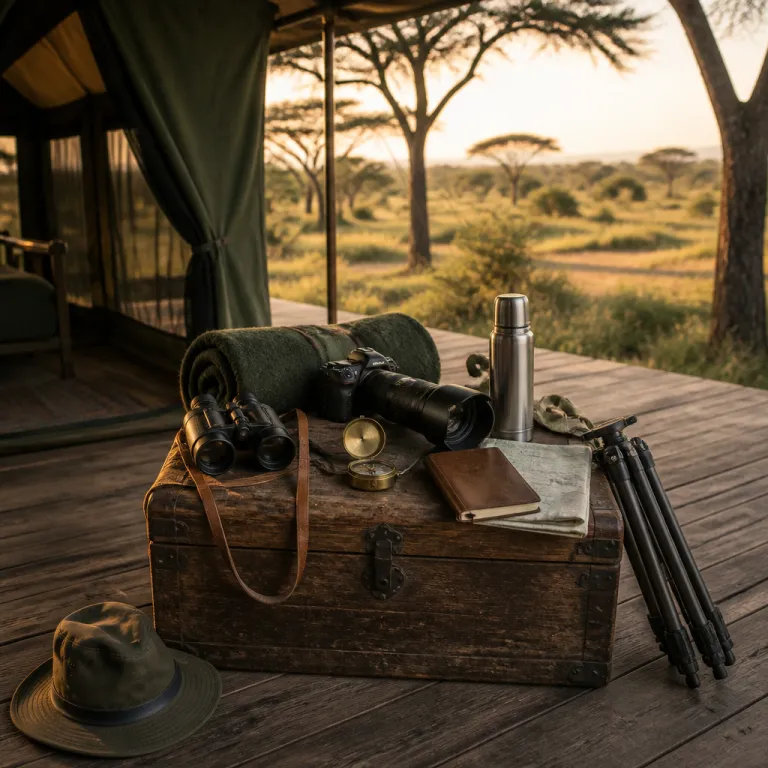
Expedition luxury in East Africa this season
Expedition luxury in a modern safari camp is no longer shorthand for rustic charm with better linens. It now means a remote location in East Africa where the wildlife feels close enough to touch, yet the service, wine list and wellness offering rival a serious city lodge in Paris or New York. For travelers planning a high-end safari itinerary in East Africa over the next few seasons, the benchmark is a stay that feels like a private expedition but runs with the precision of a five-star hotel.
Across Kenya and Tanzania, new lodges and reimagined safari camps are leaning into this expedition mindset. Wilderness, one of the most respected luxury safari operators in Africa, has announced Wilderness Mara and Wilderness Mara Villas near the base of the Oloololo Escarpment in the Mara Triangle, positioning guests close to the Great Migration while keeping the environmental footprint light. According to Wilderness’ 2024 development brief, these camps in the Maasai Mara will open with a limited number of suites and operate under a strict low-vehicle-density policy, sitting within easy reach of the Maasai Mara National Reserve and the wider Kenya–Tanzania cross-border ecosystem, yet feeling worlds away from the busier corners of mainstream safari tourism.
The season ahead is particularly strong for solo travelers who want a high-end safari experience without feeling lost in a crowd. Smaller camp footprints, often eight to twelve suites or tents, create a natural social rhythm around the firepit and on shared game drives, while still allowing you to book a private vehicle when you want the best safari photography conditions. Some operators, including Bushtops, have introduced private 4×4 vehicles for each suite at selected properties, with heated seats, individual drinks fridge freezers and wireless chargers as standard, turning every game drive into a tailored expedition rather than a standard group tour.
The new East African camp model: comfort without compromise
The latest generation of safari camp design in East Africa is rewriting what remote comfort looks like. Permanent or semi-permanent structures with plunge pools, wine cellars and serious spa menus now sit lightly on the land, using solar power, grey-water systems and low-impact materials to keep Africa’s fragile ecosystems front and centre. When you plan dates for a top-tier safari journey in the region, you are no longer choosing between comfort and conscience; the best camps offer both and publish annual sustainability reports to show how they do it.
In Kenya’s Maasai Mara and the broader Mara–Serengeti corridor, Wilderness Mara Villas is expected to open with just a handful of river-facing suites, each designed to frame the game-rich plains rather than dominate them. Early design notes reference floor-to-ceiling glass, shaded decks and indoor–outdoor showers positioned to minimise light pollution along the river. The operator’s stated aim is to provide exclusive wildlife experiences, offer personalized services and implement sustainable practices, a philosophy that aligns with the wider expedition-luxury trend across Southern Africa and South Africa as well. As one recent briefing from the company put it, “New luxury safari camps are opening in East Africa, enhancing the safari experience.”
For solo explorers, this means you can choose a lodge where every detail, from Maasai-inspired textiles to clearly explained conservation levies, has been considered. Smaller properties often waive single supplements in shoulder periods, effectively giving you more free budget to allocate to extra game drives or a scenic flight over the Ngorongoro Crater and Serengeti plains. When you are comparing how to structure a multi-stop Kenya–Tanzania journey, it helps to think the way you might for a Nordic expedition; a carefully planned Lapland itinerary built via expert phone-based trip design offers a useful parallel for the level of personalization you should expect from a serious safari lodge and its guiding team.
Booking the right season: migration, green months and hidden windows
Timing is the quiet lever that separates a good safari from a life-changing safari experience. The classic image of the Great Migration thundering across the Mara River between the Maasai Mara and the northern Serengeti is only part of the story, and the best safari planners use the full calendar to their advantage. When you choose dates for a high-calibre East African safari, think in terms of wildlife behaviour, light for photography and how busy each park will feel.
Peak migration months in the Mara–Serengeti system bring extraordinary game density but also higher rates and more vehicles at sightings. Shoulder periods on either side can be a sweet spot, with fewer 4×4 vehicles around the big cats yet still excellent game viewing, especially in private conservancies bordering the Maasai Mara National Reserve. Green season in Tanzania’s Serengeti and around the Ngorongoro Crater offers lush landscapes, dramatic skies and more free space at sightings, which many repeat-safari veterans now prefer over the most crowded weeks.
For solo travelers, these quieter windows can transform the feel of a lodge stay. You are more likely to share a vehicle with just one or two other guests, and camp teams have more time to tailor each game drive or walking safari to your interests, whether that is birding, photography or tracking the Big Five across the plains in a classic lodge setting. Think of it as the safari equivalent of choosing a riverfront retreat in low season; the way a stay at a refined riverside property feels more intimate when the crowds thin, the same logic applies in East Africa’s national parks.
Conservation economics and the solo traveler advantage
High nightly rates at a luxury safari camp in East Africa are not just paying for thread count and plunge pools. The strongest operators in Kenya, Tanzania and Southern Africa have built conservation economics into their pricing, funding anti-poaching patrols, habitat restoration and community projects in the villages that surround each park. When you choose a lodge carefully, your safari experience becomes part of a wider story of how tourism can keep Africa’s wild spaces viable.
Many of the most forward-thinking safari lodges in Kenya now partner with local communities and conservation organizations to manage land as wildlife conservancies rather than purely as cattle-grazing areas. In practice, this means more space for game to roam between the Maasai Mara, the Mara Triangle and the Serengeti, and more stable income for Maasai and other local families who lease their land to the camps. The model is similar in South Africa’s private reserves, where properties like Last Word Madikwe in Madikwe Game Reserve operate with just a small number of suites and a capped vehicle count, proving that intimate lodges can still deliver serious conservation impact.
For solo explorers, this season is a particularly good moment to lean into that model. With international arrivals to East Africa projected to grow steadily over the next few years, booking early at a camp that caps guest numbers and invests heavily in guiding quality is the surest way to secure a quiet, high-impact stay with consistently excellent service. Use the same critical lens you would apply to a high-end urban opening; looking at how new hotels reshape a destination’s luxury narrative is a useful template for evaluating whether a safari lodge is genuinely raising standards or simply inflating its marketing language.
FAQ
What new luxury safari camps are opening in East Africa this season ?
The headline openings include Wilderness Mara and Wilderness Mara Villas in Kenya’s Maasai Mara, both positioned in the Mara Triangle near the base of the Oloololo Escarpment. These properties are being developed as low-impact lodges with a strong focus on conservation and personalized service, including options for private 4×4 vehicles in partnership with specialist operators. Wilderness has indicated a phased opening from late 2024, and the camps will sit within easy reach of key game areas, making them strong bases for both first-time safaris and repeat travelers chasing the Great Migration.
How far in advance should I book a luxury safari camp in East Africa ?
For peak migration months in the Maasai Mara and northern Serengeti, aim to book at least nine to twelve months ahead, especially if you are a solo traveler seeking a specific lodge or room type. Shoulder and green-season dates can sometimes be secured closer in, around six months before travel, but the most sought-after safari lodges with only eight to twelve suites still fill quickly. Booking early also gives you more flexibility to align your safari experience with specific events such as river crossings or calving season near the Ngorongoro Crater.
What defines expedition luxury compared with a traditional safari lodge ?
Expedition luxury combines remote, wildlife-rich locations with service standards and amenities that match top-tier urban hotels. You can expect features such as private plunge pools, serious wine programs, spa treatments and highly trained guides, all delivered in a camp that uses solar power, light-footprint construction and community partnerships to minimize impact. The result is a safari camp stay that feels like a private expedition, yet offers the comfort and reliability of a well-run five-star lodge.
Is East Africa suitable for solo safari travelers this season ?
East Africa is one of the most rewarding regions for solo safaris, especially with the current wave of small, high-touch camps. Properties with eight to twelve suites create easy social connection around shared game drives and communal dining, without forcing group activities if you prefer privacy. Many lodges also offer reduced or waived single supplements in certain months, making a top-level East African safari experience more accessible for independent travelers.
How do conservation fees and levies affect the cost of my safari ?
Conservation fees, park levies and community charges are usually itemized in your booking terms and conditions and can represent a significant portion of the nightly rate. At serious expedition-focused lodges, these funds support anti-poaching units, habitat restoration and education or healthcare projects in surrounding communities. When comparing options, ask each lodge or your travel advisor for clear data on how these contributions are used; a higher rate can be justified when it directly underwrites the long-term protection of the landscapes and wildlife you have come to see.