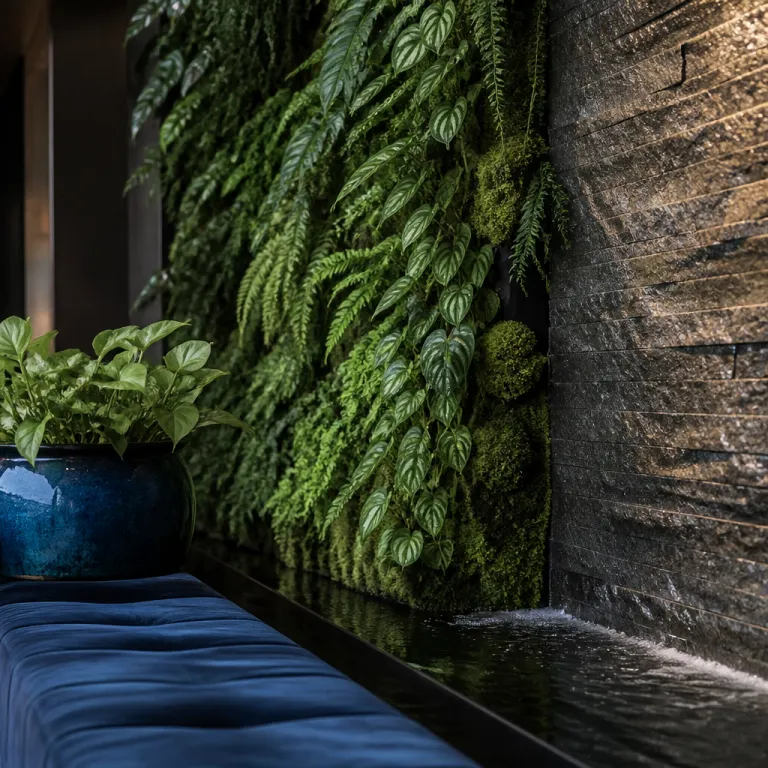
What biophilic design really means in a luxury hotel
Biophilic design in a luxury hotel is not a fern in the corner. It is a rigorous design philosophy that connects guests with nature through architecture, materials, light, and spatial planning so that the entire hotel feels quietly alive. When you book luxury hotels that embrace biophilic principles, you are choosing hospitality where the boundary between interior and landscape almost dissolves.
In practice, biophilic design in hotels rests on three pillars. Direct connections with nature bring real elements such as natural light, water, plants, and fresh air into the hotel interior so that every guest experience feels grounded in the local climate. Indirect connections use natural materials, patterns, and colours that echo earth, sky, and garden, while space and place conditions shape the hotel layout so that circulation, views, and thresholds feel intuitive and calming.
Architects, interior designers, and landscape specialists now collaborate from the first sketch of a design hotel. They treat the hotel lobby as an indoor clearing in a forest, the guest room as a quiet retreat carved into rock, and the resort pool deck as an extension of the shoreline rather than a separate amenity. This is where modern luxury shifts from shiny surfaces to design nature, and where a biophilic luxury property becomes a restorative environment instead of a stage set.
From marble to raw stone and rammed earth: the new material palette
Walk into the latest generation of design hotels and you feel it underfoot first. Polished marble gives way to raw stone, textured timber, and sometimes rammed earth walls that hold the day’s coolness and release it slowly at night. These natural materials are not rustic decoration; they are the structural language of a biophilic hotel that treats earth as both engineering and emotion.
Industry case studies have tracked how luxury hotels are replacing high gloss finishes with reclaimed wood, rough stone, and living greenery in both public spaces and hotel interior corridors. In a well executed hotel design, a stone wall might continue from the garden into the lobby, blurring the line between resort grounds and interior design while keeping maintenance costs lower than fragile lacquer. Raw finishes age gracefully, so the patina of a handrail or the softening of a stone threshold becomes a subtle sign of accumulated guest experiences rather than wear.
Material choices also support eco friendly operations when specified carefully. Durable stone, responsibly sourced timber, and rammed earth reduce replacement cycles, which means less waste and a better long term cost equation for luxury hospitality owners. At the same time, these materials are not universally effortless: rammed earth, for example, performs best in dry or temperate climates and demands skilled contractors, while heavily planted interiors require irrigation, pruning, and pest management to stay healthy. For couples choosing where to stay, these tactile details matter because they change how a room feels under bare feet, how a hand glides along a wall, and how the entire guest experience registers as quietly luxurious rather than ostentatious.
Living walls, natural light, and hotel lobbies that breathe
The most convincing sign that biophilic design has matured is the hotel lobby. Instead of a sealed, air conditioned hall, the best luxury hotels now open their lobbies to courtyards, use living walls as vertical gardens, and choreograph natural light as if it were another piece of furniture. In these spaces, the first impression is not a chandelier but a shifting view of sky, foliage, and water.
Methods such as incorporating living walls, using raw stone, and designing with natural light are now standard tools for architects and interior designers working in luxury hospitality. A nature led hotel might orient its lobby to capture sunrise light across a reflecting pool, then use perforated screens to filter the afternoon sun into dappled patterns that echo nearby trees. This is hotel interior design that treats light and shadow as part of the architecture rather than something to be flattened by artificial illumination.
One often cited data point from the International Journal of Environmental Research and Public Health is that stress reduction from nature exposure can reach around 16 % in controlled settings, based on a 2019 review of physiological responses to natural environments by Song et al. (IJERPH, 2019, “Physiological Benefits of Viewing Nature: A Systematic Review”). Other peer reviewed studies on biophilic environments, such as a 2014 field experiment on urban green spaces by Roe et al. (IJERPH, 2014, “Green Space and Stress: Evidence from Cortisol Measures in Deprived Urban Communities”), report cortisol reductions of up to roughly 20 %, which aligns with what many guests describe as feeling inexplicably calmer after check in. You may not consciously notice how a garden wall, a water feature, or a carefully framed view has been used in the hotel lobby, yet your body responds to the cues of nature all the same.
Case study lens: when nature becomes the architecture
Some properties now treat nature as the primary structure, not an afterthought. At Alila Villas Uluwatu in Bali, often referenced simply as Alila Villas Uluwatu, villas perch on limestone cliffs where pavilions float above the ocean and every hotel interior is oriented to the horizon. Here, design nature principles guide everything from the open plan living areas to the shaded terraces, creating a resort that feels carved from the landscape rather than placed upon it.
The villas at this resort use porous stone, slatted timber, and generous overhangs to manage heat while maximising natural light and cross ventilation. Instead of relying on heavy air conditioning, the architecture channels sea breezes through the hotel interior, which supports eco friendly operations and deepens the sensory connection with the site. According to project documentation shared by WOHA Architects in the early 2010s, this passive approach helped cut mechanical cooling demand by on the order of 30 % compared with a conventional luxury resort of similar size, illustrating how guest experiences can be shaped as much by wind and light as by furniture and art.
Across the global portfolio of design hotels, similar ideas appear in mountain lodges, desert retreats, and urban luxury hotels that carve gardens into rooftops. A 2017 hospitality research review by DLR Group on nature integrated resorts noted guest satisfaction scores roughly 8–10 % higher than brand averages and modestly longer stays in properties with strong biophilic features, while also cautioning that results vary by climate, brand positioning, and maintenance quality. For couples planning a romantic escape, choosing a design hotel that treats nature as architecture often means quieter sleep, more memorable views, and a sense that the stay has genuinely reset their internal rhythms.
Why biophilic luxury feels better – and often costs less
Guests consistently rate biophilic design luxury hotel stays higher on comfort and ambience, even when they are not consciously seeking eco friendly credentials. The combination of natural light, views of nature, and tactile materials lowers stress levels, improves sleep quality, and makes spaces feel more generous than their floor plans suggest. In hospitality terms, this means a standard room can command a higher perceived value simply because the guest experience feels more restorative.
Research cited in the international journal community around environmental psychology, including work by Browning, Ryan, and Clancy in 14 Patterns of Biophilic Design (Terrapin Bright Green, 2014), shows that biophilic hotel environments can reduce stress and improve mood, which translates into better reviews and stronger loyalty. DLR Group has identified biophilic design as a leading hospitality trend in its 2017 and 2020 hospitality outlook reports, noting that nature connection is now a core design driver rather than an amenity add on for luxury hotels. Paradigm Trends describes the shift from “outdoor as amenity” to “nature as architecture”, which aligns with what we see across modern luxury resorts, city hotels, and even compact urban villas.
From an owner’s perspective, the cost equation is compelling because raw stone, rammed earth, and robust planting schemes often require less maintenance than mirrored walls and high gloss finishes. A 2020 internal benchmarking summary shared by DLR Group, for example, found that properties with durable natural finishes reported up to about 18 % lower annual maintenance costs than comparable hotels with synthetic, high gloss interiors, while also noting higher upfront capital expenditure for some natural materials. When you choose a property on Incredible Stay, look for signs such as a hotel lobby with a living wall, guest rooms that frame a real garden view, and hotel design narratives that emphasise natural materials over synthetic glamour. These are reliable indicators that the hotel is investing in long term guest experiences rather than short term visual impact.
How to choose a biophilic design luxury hotel on Incredible Stay
When browsing Incredible Stay for your next trip, start by reading how each design hotel describes its relationship with nature. Look for language about biophilic design, natural light, gardens integrated into architecture, and eco friendly operations that go beyond towel reuse. If a property speaks in detail about its hotel interior materials, landscape partnerships, and how the resort layout follows the contours of the land, that is usually a strong sign of authentic biophilic intent.
Photography tells its own story, so study the images of hotel lobbies, corridors, and guest rooms. You want to see greenery rooted in the ground, not just potted plants, and views that connect directly to earth, water, or sky from multiple angles. For couples planning a celebration trip, pairing a biophilic design luxury hotel with thoughtful event styling – such as the guidance in this expert piece on refining your sweetheart table and chair selection – can turn a stay into a quietly transformative chapter in your shared travel story.
FAQ
What is biophilic design in a hotel context ?
Biophilic design in a hotel context is a design approach that intentionally connects guests with nature through architecture, materials, light, and spatial planning. It goes far beyond adding plants, integrating elements such as natural light, water, raw stone, and gardens into the core structure of the building. The goal is to create luxury hotels where every guest experience feels calmer, healthier, and more attuned to the surrounding landscape.
Why do luxury hotels use living walls and raw stone ?
Luxury hotels use living walls and raw stone because these elements deliver both aesthetic and performance benefits. Living walls enhance air quality and create a strong visual link to nature, while raw stone offers durability, thermal mass, and a timeless sense of modern luxury. Together, they support eco friendly operations and help a biophilic design luxury hotel age gracefully rather than looking dated after a few seasons.
How does biophilic design affect guest well being ?
Biophilic design affects guest well being by reducing stress, improving mood, and supporting better sleep through exposure to natural light, greenery, and organic materials. Studies referenced in the International Journal of Environmental Research and Public Health and in environmental psychology literature show measurable stress reduction from nature exposure, which aligns with higher satisfaction scores in biophilic hotels. Guests often report feeling more rested and balanced, even if they cannot pinpoint which aspects of the hotel design created that effect.
Is a biophilic design luxury hotel more expensive to stay in ?
A biophilic design luxury hotel may command a higher nightly rate because the guest experience feels more valuable, but its operating costs are not necessarily higher. Durable natural materials, passive cooling strategies, and integrated landscaping can reduce long term maintenance and energy expenses compared with high gloss finishes. For travellers, this often translates into rooms that feel more luxurious and comfortable without relying on overt displays of opulence.
How can I tell if a hotel genuinely follows biophilic principles ?
You can tell if a hotel genuinely follows biophilic principles by looking for consistent integration of nature in both architecture and operations. Authentic properties will highlight natural light, views, gardens, and material choices in their descriptions, and photography will show greenery rooted in the ground, not just decorative pots. When a hotel lobby, corridors, and guest rooms all reflect the same nature led philosophy, you are likely looking at a true biophilic design luxury hotel rather than a marketing gesture.