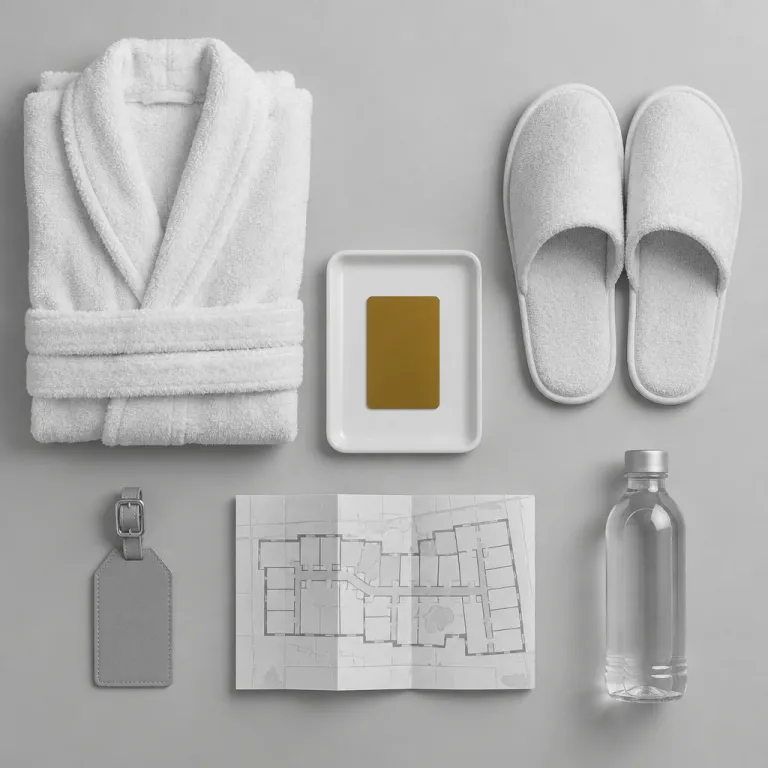
The threshold moment: from street to entrance to lobby
The luxury hotel arrival experience begins before you reach the entrance. As you step from the street or car into the hotel entrance, the first ninety seconds quietly set expectations for your entire stay. A seasoned guest will sense within a few steps whether this hotel arrival has been choreographed with care or left to chance.
Watch how the property handles the transition from outside real estate to interior hospitality space. Do arrival guests meet a clear visual cue that they have crossed into a different tempo, perhaps through a change in light, a shift in sound scent, or a subtle adjustment in temperature. When guests arrive at the doors of true luxury hotels, the choreography feels effortless yet unmistakably intentional.
The design of this threshold shapes the first layer of guest experience. A well considered lobby sightline lets each guest see the front desk, a comfortable seating cluster, and at least one member of the desk staff ready to help. When hotel guests instead face visual clutter or confusing circulation, the arrival experience starts with friction rather than calm.
For solo travelers, that first glance matters even more. A solo guest arrival should never feel like walking into a private party where everyone else knows the script except you. The best hotels use multi sensory cues and attentive front of house teams to make a single traveler feel expected, not merely accommodated.
Look for how staff manage micro timing as guests arrive. Does someone open the entrance door with unhurried precision, then step back to give you space while still remaining available. That balance between presence and discretion is the first test of whether this luxury hotel understands nuanced hospitality.
Greeting and orientation: how staff script the first words
Once inside the lobby, the greeting shapes the emotional tone of the stay. In a refined luxury hotel arrival experience, the first words from the front desk or door team feel specific to you, not pulled from a script. A thoughtful hotel will brief its desk staff on guest preferences so the opening exchange feels like a continuation of a conversation, not the start of a transaction.
Guest experience research shows that the first minute of dialogue strongly anchors guest satisfaction. When a front desk agent uses your name naturally, references your journey, and offers water or a seat before asking for a passport, the guest arrival becomes human rather than procedural. This is where technology quietly supports hospitality, as pre arrival notes and profiles allow hotels to anticipate needs without making a performance of it.
Some properties now use AI enhanced CRM tools to shape the welcome long before you check in. If you have shared arrival time, language, or pillow preferences, the hotel arrival can be tuned so that experience guests feel instantly recognised. For a deeper look at how this works behind the scenes, see how the hotel already knows you before check in and how that data quietly informs the first conversation.
Orientation should be brief but precise. A skilled front desk team will point out the route to your room, the key amenities, and any time sensitive experiences without turning the lobby into a lecture hall. Solo hotel guests especially value clear, concise guidance that respects their energy after a long journey.
Language and body position matter as much as words. Staff who stand beside rather than across a desk subtly signal partnership, while open gestures and unhurried pacing reduce the cognitive load of arrival experiences. When this choreography is right, guests leave the lobby already feeling anchored in the property’s rhythm.
Check in reimagined: from front desk ritual to flexible welcome
The traditional front desk check in is no longer the only script for a luxury hotel. Many hotels now offer mobile pre check, in room registration, or seated welcome desks that feel more like a private club than a queue. The key is not the technology itself but how each option supports a smoother arrival experience for different types of guests.
For some travelers, especially after long haul flights, the most luxurious gesture is to skip the lobby entirely. A staff member may escort the guest directly to the hotel room, complete the check in on a tablet, and use the room’s design details as part of the welcome narrative. Families or groups heading to spacious suites, such as those highlighted in guides to elevated comfort in multi bedroom stays, often appreciate this approach because it reduces corridor time with luggage.
Other guests still relish the ceremony of a classic front desk moment. In these cases, the desk itself becomes a stage where hospitality is performed with quiet precision, from the placement of keys to the way desk staff handle documents. A well designed desk allows for privacy, clear sightlines to the lobby, and enough space for arrival guests to organise themselves without feeling rushed.
Solo explorers often reveal the strengths and weaknesses of these systems. When a solo guest arrival is handled with the same care as a VIP, with staff offering to walk them to the room or point out local experiences tailored to their interests, the message is clear. This is a hotel where guest experience is not reserved for those who shout the loudest.
Whatever the format, the first administrative moments should feel almost invisible. Payment, ID checks, and signatures are necessary, but in a well run luxury hotel they recede behind conversation, orientation, and the subtle reassurance that everything about your stay will be handled with the same calm efficiency.
Multi sensory cues: how scent, sound and texture script emotion
Beyond words and paperwork, the most memorable luxury hotel arrival experience often lives in the senses. Step into a lobby where the sound scent balance has been tuned with care, and you will feel your shoulders drop before you even reach the front desk. This is where multi sensory design quietly does the heavy lifting of hospitality.
Consider how scent texture works in the first metres after the entrance. A refined fragrance, calibrated so that guests arrive to a gentle signature rather than an overpowering cloud, can become part of the hotel’s identity. When luxury hotels misjudge this, the result is either a sterile absence or a cloying presence that competes with the architecture.
Sound is equally critical. The best hotels manage a sound scent equilibrium, where music, conversation, and ambient noise blend into a soft backdrop that allows a guest arrival to feel both social and private. Hard surfaces are balanced with textiles so that footsteps and luggage wheels do not dominate the lobby soundscape.
Texture underfoot and at hand completes the sensory picture. From the weight of the room key card to the feel of the front desk counter, every contact point signals how the rest of the stay will unfold. When experience guests notice that even the elevator buttons and corridor handrails feel considered, they rightly assume that the hotel room and its details have received similar attention.
Solo travelers are often more attuned to these cues, because they are not distracted by conversation. If you are arriving alone, pause for a moment and register how the space makes you feel. A property that gets this right will calm your nervous system quickly, setting you up to enjoy more ambitious experiences later in the trip, whether that is a city food tour or a carefully planned journey such as a luxury safari where packing and preparation shape the whole adventure.
From first offer of help to lasting guest satisfaction
The first offer of help after arrival is where hospitality stops being abstract. A porter who notices a worn backpack strap or a front desk agent who senses that a solo guest might prefer a quieter room shows that guest preferences are more than data points. These early gestures often predict how the hotel will respond when something truly matters later in the stay.
In many luxury hotels, the most skilled team members are placed at the front rather than hidden in back offices. They read body language as arrival guests cross the lobby, deciding whether to offer a restaurant suggestion, a late check out, or simply a glass of water. When hotel guests feel seen without feeling surveilled, trust builds quickly.
Real estate professionals sometimes talk about curb appeal, but in hospitality the equivalent is arrival choreography. A property can have extraordinary rooms and facilities, yet a clumsy hotel arrival will drag down overall guest satisfaction. Conversely, a modestly sized room can feel elevated when the first ninety seconds have already convinced you that every detail of your stay will be handled with care.
For solo explorers, this is also a safety and comfort check. A hotel that offers to walk you to your room at night, that explains how to reach the front desk quickly, and that shares a few local tips tailored to your interests, signals that you are not just another booking. These are the places where you will feel comfortable returning late from a gallery opening or an unplanned neighbourhood walk.
As you plan your next trip on a luxury and premium booking website, pay close attention to how properties talk about their arrival experiences. Look for mentions of multi sensory design, personalised greetings, and flexible check in options that respect different travel rhythms. Those first ninety seconds are not a prelude ; they are the clearest preview of the story your stay will tell.
FAQ
Why do the first ninety seconds in a hotel matter so much ?
The first ninety seconds of a hotel arrival strongly influence how you interpret everything that follows. Early impressions of staff warmth, lobby design, and sensory cues create an anchor that shapes guest satisfaction throughout the stay. When those elements feel coherent and calm, you are more likely to view later minor issues as exceptions rather than patterns.
What should I look for in a great luxury hotel arrival experience ?
Notice how smoothly you move from entrance to lobby to room, and whether staff anticipate basic needs without overstepping. A great luxury hotel arrival experience usually includes a personalised greeting, a clear orientation, and multi sensory design that makes you feel grounded quickly. If you feel both welcomed and unhurried, the choreography is working.
How can solo travelers assess a hotel’s service culture at arrival ?
Solo travelers can pay attention to whether staff address them confidently and respectfully without assuming they are waiting for someone else. A strong service culture will offer help with practicalities, share relevant local suggestions, and make it easy to ask questions without feeling self conscious. If you feel immediately at ease arriving alone, the hotel likely handles more complex needs well too.
Is mobile or in room check in better than a traditional front desk ?
Neither format is automatically better ; what matters is how it fits your travel style and energy level. Mobile or in room check in can be ideal after long journeys or with lots of luggage, while a classic front desk ritual can feel reassuring if you enjoy conversation and structure. The best luxury hotels offer a choice and execute each option with equal care.
How can I tell if a hotel uses my preferences in a helpful way ?
You can usually tell when guest preferences have been used well if small details align with your habits without being announced. Examples include the right pillow type already in the room, staff greeting you in your preferred language, or a quiet room placement that matches your profile. When these touches feel natural rather than staged, the hotel is using information to enhance, not perform, hospitality.