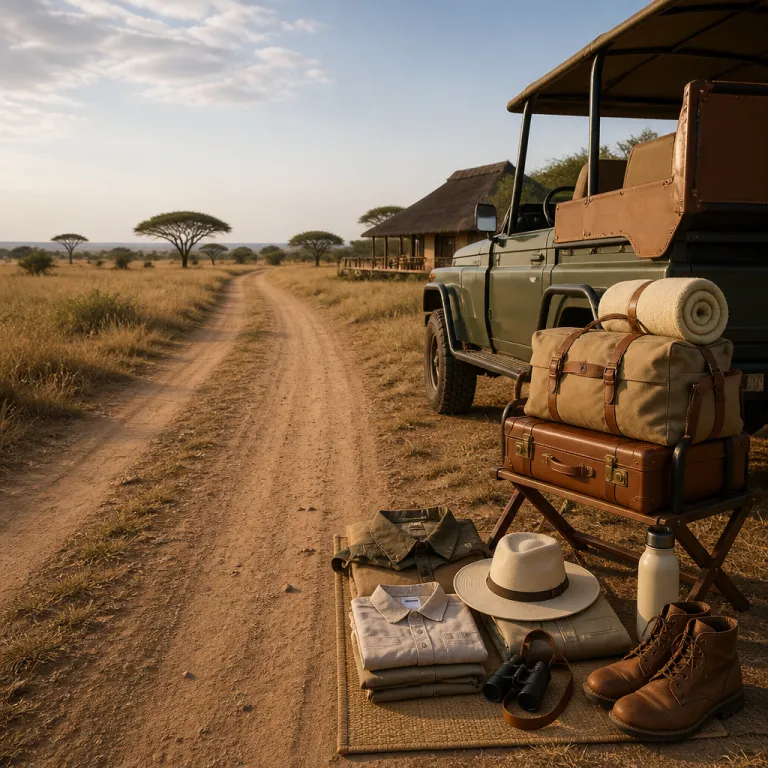
The luxury safari packing list essentials guide for modern families
A luxury safari is one of the rare trips where what you pack shapes almost every hour of every day. Your luxury safari packing list essentials guide must balance strict aircraft limits, family comfort and the quiet elegance expected at top lodges in Africa. Think of safari packing as curating a compact wardrobe and gear set that works from dawn game drives to lantern lit dinners.
Most premium lodges in southern Africa and East Africa use light aircraft transfers with baggage limits of about 15 to 20 kilograms per person in soft sided bags. That single rule will define what you bring, how you pack and which luggage you choose for the whole journey. Hard cases simply do not fit well into small aircraft or into the limited storage of a safari vehicle, so a flexible duffel and a structured day pack become your core system.
For families, the smartest luxury safari packing list essentials guide starts with a shared philosophy rather than individual piles of clothing. Decide early that every item must be lightweight, moisture wicking where possible and able to work in at least two different situations. When parents model this discipline, children quickly understand why they cannot bring long toy lists or multiple pairs of heavy shoes.
Neutral earth tones are non negotiable on safari, both for wildlife viewing and for respect toward local guides in African countries. Aim for cotton pants or technical pants in soft olive, stone or taupe, and avoid bright white that shows dust within minutes on game drives. Dark navy and black pants pairs should stay at home in regions where tsetse flies are active, especially in parts of East Africa and some pockets of southern Africa.
Most luxury lodges offer same day laundry, which means you can bring fewer items and still feel fresh at every meal. A family of four can usually share one power strip and one compact bag of chargers, rather than scattering cables through multiple pieces of luggage. This is where seasoned travelers quietly gain back space for camera gear, a quality lens or a favourite lightweight jacket.
Wardrobe strategy: what to wear from dawn game drives to sundowners
Temperature swings on safari are dramatic, especially on open game drives at dawn and dusk. You might start the morning at 10 degrees Celsius wrapped in a fleece jacket, then peel down to a single moisture wicking shirt by late morning when the sun over Africa feels intense. A layered packing list is the only way to stay comfortable without overloading your bag.
Begin with base layers that feel good against the skin during long hours in a safari vehicle. Lightweight, moisture wicking T shirts or long sleeve tops in breathable fabrics work well for both men and women, and they wash and dry quickly at remote lodges. Add one or two merino pieces if you tend to feel cold, because they stay warm even when slightly damp and they pack down small.
For bottoms, plan on two or three cotton pants pairs per person, ideally in quick drying blends that handle dust and repeated wear. Many experienced travelers alternate between classic cotton pants for cooler game drives and slightly more technical pants for walks or light hikes. Shorts can work around camp in some African countries, but long pants remain the standard on vehicles where sun, insects and brush are constant factors.
Footwear deserves more thought than most first time safari guests expect, especially for families. Closed toe hiking boots or sturdy walking shoes are essential for bush walks and uneven lodge paths, while simple flip flops are perfect for the pool or tented suite decks. Children often appreciate one pair of lightweight sneakers for travel days, but those should not replace proper hiking boots when terrain becomes serious.
Outer layers should be chosen with the same discipline as the rest of your safari packing. A single water resistant, lightweight jacket with a hood usually covers cool mornings, unexpected showers and windy evenings on open game drives. Add a soft scarf or buff for each person, which weighs almost nothing yet transforms comfort on long drives through dusty tracks.
Evenings at high end lodges in South Africa or East Africa call for a slightly more polished look, but not formal wear. Women often favour a simple dress in breathable fabric or tailored pants with a light blouse, while men rely on chinos and a linen shirt. The key is to pack pieces that roll easily into a soft sided bag yet still look composed at the bar when the first gin and tonic appears.
Smart gear: camera equipment, day packs and tech that actually earns its place
Wildlife viewing is the heart of any safari, and your camera choices will shape how you remember it. A thoughtful luxury safari packing list essentials guide treats camera gear as part of the overall weight budget, not an afterthought added to already full luggage. The goal is to bring a setup that feels intuitive on bumpy game drives, not a museum of unused lenses.
For most travelers, a single camera body with a versatile zoom lens around 100 to 400 millimetres offers the best balance between reach and portability. This long zoom range covers close encounters from the safari vehicle and distant sightings across open plains in southern Africa without constant lens changes. If you love photography and can manage the weight, a second shorter lens for lodge life and family portraits can be worth the extra space.
Stabilisation matters more than you might expect when vehicles idle or lurch during a sighting. Many photographers swear by a simple bean bag that rests on the vehicle rail, cradling the camera and lens without the fuss of a tripod. Some lodges in Africa provide communal bean bags, but serious shooters often prefer to pack a lightweight, empty one and fill it with local beans or rice on arrival.
Your day pack becomes mission control on every outing, so choose it carefully. It should be soft sided, comfortable over long hours and just large enough for a camera, spare lens, water bottle and a light jacket for each person. Families often share one larger day pack between adults, while older children carry a tiny version with their own snacks and a compact water bottle.
Tech clutter is the enemy of elegant safari packing, especially when you factor in different plug types across African countries. A single universal adapter, a compact power strip and a disciplined set of cables will usually support all phones, tablets and cameras for a family. Many high end lodges now offer charging stations in vehicles, but you should still bring a small power bank for long game drives far from camp.
Before you travel, ask your chosen lodges whether they offer camera gear rental or professional guidance. Some properties in South Africa and East Africa maintain serious photography setups, allowing guests to leave heavy lenses at home and still capture exceptional images. This is one of the most effective ways to keep your bag light while still honouring the spirit of a luxury safari packing list essentials guide.
Health, comfort and family friendly extras seasoned safari travelers always bring
Health preparation on safari is less about fear and more about quiet confidence. Families who pack a small, well considered personal pharmacy tend to relax faster, because they know they can handle minor issues without drama. Speak with a travel medicine specialist before you fly to Africa, especially if your itinerary crosses several African countries with different malaria profiles.
Antimalarial medication, high SPF sunscreen and quality insect repellent belong on every serious packing list for East Africa and southern Africa. Add oral rehydration salts or electrolyte tablets, which can be a trip saver after long game drives in dry heat or a mild stomach upset. Motion sickness remedies help both adults and children on winding tracks or light aircraft hops between remote lodges.
Comfort on safari often comes down to small, thoughtful items that weigh almost nothing. A soft eye mask and earplugs can transform sleep in tented lodges where the night game soundtrack is thrilling but loud for younger children. Light cotton scarves, lip balm with SPF and a spare pair of sunglasses for each person also earn their place in any luxury safari packing list essentials guide.
Hydration is non negotiable on safari, especially for children who become absorbed in the excitement of each game drive. Bring one high quality, insulated water bottle per person and label them clearly, then refill at camp before every outing. Many lodges in South Africa and East Africa now provide filtered water stations, which reduces plastic waste and keeps your day pack lighter.
Clothing comfort goes beyond fabric choice and into how items behave over long periods of sitting and standing. Moisture wicking base layers, soft waistbands on cotton pants and socks that work with both hiking boots and flip flops will keep everyone happier on long days. Women often appreciate one pair of relaxed pants for travel days and lodge time, separate from the more rugged pants pairs reserved for bush walks.
For families, a few carefully chosen extras can make the difference between a good trip and a transformative one. A compact set of cards or a travel sized board game turns long layovers into shared fun, while a slim notebook encourages children to record wildlife sightings from each safari vehicle. When you plan your overall travel calendar, it can be worth reading guidance such as the analysis on why August is quietly the smartest month to lock in autumn luxury at summer rates on Incredible Stay, then aligning your safari dates with school breaks and value periods.
What to leave behind: the items that weigh you down more than they help
Seasoned bush travelers are often defined as much by what they leave out of their bags as by what they bring. A disciplined luxury safari packing list essentials guide recognises that every unnecessary item steals space and weight from something more useful. The result is a lighter, more agile way to travel that feels aligned with the remote landscapes you are entering.
Hard shell suitcases are the first casualties of serious safari packing, especially on routes that rely on light aircraft. They do not compress into small cargo holds, they bruise easily in rugged transfer vehicles and they frustrate lodge teams trying to load safari vehicles efficiently. A soft sided duffel with minimal structure glides into tight spaces and respects the operational realities of remote camps.
Excessive clothing is the next common mistake, particularly for families who fear running out of clean outfits. With daily laundry at most high end lodges in Africa, you simply do not need more than three or four tops and two or three cotton pants pairs per person. Heavy jeans, multiple jackets and duplicate hiking boots rarely leave the bag, yet they consume precious kilograms that could support better camera gear or a more comfortable day pack.
Flashy jewellery and formal evening wear feel out of place in the bush, even at the most luxurious lodges in South Africa or East Africa. The atmosphere is refined but relaxed, and the focus remains on wildlife, guiding and the shared ritual of game drives. Women and men alike are better served by simple, elegant pieces that transition from the safari vehicle to the firepit without fuss.
Bulky toiletries are another area where first time safari travelers tend to over pack. Most premium lodges across African countries provide high quality shampoo, conditioner, body wash and often even insect repellent, so you can leave full size bottles at home. A small personal kit with specific items such as preferred sunscreen, a favourite moisturiser and essential medications is all you really need.
Finally, resist the temptation to bring every gadget you own, from drones to multiple tablets. Many reserves in southern Africa and East Africa restrict drone use for wildlife welfare and guest privacy, and extra screens can distract children from the immediacy of the bush. A lean tech setup, anchored by a good camera, a shared power strip and one or two e readers, keeps the focus where it belongs : on the game unfolding outside the vehicle.
Footwear, bags and the art of moving lightly between lodges
How you move between lodges on safari shapes what you feel able to carry. A family hopping between three or four properties in southern Africa will handle their bags repeatedly, often across rough airstrips and sandy paths. Choosing the right combination of main bag, day pack and footwear is therefore central to any luxury safari packing list essentials guide.
Your primary bag should be soft sided, with minimal internal framing and just enough structure to protect fragile items. Look for strong zippers, reinforced handles and a size that fits within typical light aircraft dimensions used across African countries. Wheels are not essential on bush airstrips, but a hybrid duffel with discreet wheels can help on longer travel days through major airports.
A well designed day pack is the piece you will touch most often, from early game drives to village visits. It needs comfortable straps, a breathable back panel and enough organisation for a camera, spare lens, water bottle and a light jacket. Families often assign one adult as the keeper of shared items such as snacks, sunscreen and the bean bag for camera stabilisation, while older children carry their own small packs.
Footwear strategy should be built around three core pairs per person, with no more unless you have a specific medical need. One pair of broken in hiking boots or trail shoes handles walks, uneven lodge paths and any light trekking in East Africa or South Africa. A second pair of lighter shoes or sandals, often simple flip flops, works for pool time, showers and relaxed hours around camp.
The third pair can be a clean, neutral shoe for travel days and lodge dinners, especially for women who prefer something slightly dressier than hiking boots. This might be a simple leather sneaker or a closed toe flat that still works on gravel paths and wooden decks. By limiting footwear to these three roles, you keep your luggage light while still feeling appropriately dressed in every setting.
Remember that every transfer between lodges is an opportunity for bags to be exposed to dust, sun and the occasional shower. Water resistant materials, internal packing cubes and a habit of keeping electronics in the centre of the bag will protect your essentials. When in doubt, pack as though you will be the one lifting your own bag into the safari vehicle at the hottest time of day, because on many trips, you will.
Timing, climate and tailoring your packing list to specific African regions
No single luxury safari packing list essentials guide fits every region of Africa, because climates and logistics vary widely. A family itinerary that combines the cool mornings of the Okavango Delta with the coastal humidity of South Africa or the highland chill of East Africa demands more nuance. The art lies in understanding how your specific route, season and lodges interact with what you bring.
In southern Africa, dry season game viewing often means cold dawns on open vehicles followed by warm, dusty afternoons. Here, layering becomes critical : moisture wicking base layers, a fleece or insulated mid layer and a wind resistant outer jacket that can be shrugged off as the sun climbs. Cotton pants or technical pants in neutral tones work across all these temperature bands, while a beanie and gloves can be surprisingly welcome on early game drives.
East Africa, especially regions such as the Maasai Mara or Serengeti, can feel more temperate but still demands respect for sun and altitude. Long sleeves and long pants protect against both insects and UV, and a wide brimmed hat is more useful than a cap on open plains. Families should pay attention to lodge altitude when planning what to pack, because higher camps can be significantly cooler at night than low lying lodges in other African countries.
Coastal add ons, such as a few days in Cape Town or on the Kenyan coast, introduce a different rhythm to your packing list. Here, flip flops, lighter dresses for women and a more relaxed shirt for men earn their place, but they should still coordinate with the core safari palette. Rather than adding an entirely separate wardrobe, choose a few pieces that can move from city to bush with only a change of shoes.
Time of travel also intersects with value, especially for families balancing school calendars and budget. Shoulder seasons around peak months can offer excellent game viewing with fewer vehicles at sightings, and some lodges in South Africa and East Africa structure rates accordingly. Aligning your dates with these windows allows you to invest more in quality guiding and comfortable lodges, rather than in excess luggage or redundant gear.
Whatever your route, the same principles hold : keep your bag light, your clothing neutral and your gear purposeful. When every item you bring has a clear role across multiple settings, you move more freely between lodges, game drives and flights. That freedom, more than any single object, is what seasoned bush travelers value most when they start to pack for the next journey.
Key figures that shape smart luxury safari packing
- Light aircraft used for lodge transfers in many African countries typically enforce baggage limits of 15 to 20 kilograms per person in soft sided bags, which is significantly lower than standard international airline allowances and directly influences how travelers pack.
- Most high end lodges in southern Africa and East Africa offer complimentary or low cost laundry services with 24 hour turnaround, allowing guests to travel with roughly half the clothing they might normally bring for a similar length trip elsewhere.
- Safari operators consistently report that packing guidance ranks among the top three pre departure questions from guests, alongside health requirements and tipping practices, highlighting how central the packing list is to overall trip planning.
- Open safari vehicles can experience temperature swings of 15 to 20 degrees Celsius between pre dawn departures and midday returns, which is why layered clothing systems are recommended by experienced guides across multiple regions.
- Many premium lodges now provide refillable water stations and encourage guests to bring reusable water bottles, a shift that has reduced single use plastic consumption per guest night in some properties by more than half compared with earlier practices.
FAQ
How many outfits should I pack for a one week luxury safari ?
For a one week luxury safari, most travelers do well with three or four tops, two or three cotton pants pairs and one slightly dressier outfit for evenings, relying on lodge laundry to keep everything fresh. This applies to both adults and children, provided fabrics are lightweight and quick drying. The key is to focus on neutral colours and pieces that can be mixed and matched across game drives and dinners.
Do I really need hiking boots, or are trainers enough for safari ?
Closed toe hiking boots or sturdy trail shoes are strongly recommended if your itinerary includes bush walks, uneven lodge paths or any time on rocky terrain. Trainers can work inside vehicles and around some lodges, but they offer less ankle support and grip when conditions become slippery or steep. Many seasoned travelers bring one pair of hiking boots and one lighter pair of shoes or flip flops for camp use.
What type of bag is best for light aircraft transfers between lodges ?
A soft sided duffel or similar flexible bag is best for light aircraft transfers, because it can be compressed into small cargo holds and stacked easily. Hard shell suitcases are often refused or cause loading problems on smaller planes used across African countries. Aim for a bag that meets the 15 to 20 kilogram limit and pair it with a practical day pack for game drives.
How should I pack camera gear for safari without exceeding weight limits ?
Choose one main camera body and a versatile long zoom lens, then add only essential accessories such as spare batteries, memory cards and a simple bean bag for stabilisation. Keep this camera gear in your day pack, which doubles as your carry on for flights and your companion on game drives. If you need specialised lenses, ask lodges in South Africa or East Africa whether they offer rentals so you can travel lighter.
What should women wear in the evenings at luxury safari lodges ?
Women usually feel comfortable in simple dresses, tailored pants with a light blouse or a neutral skirt paired with a soft sweater, all in breathable fabrics. The atmosphere at most lodges is relaxed but refined, so there is no need for formal gowns or high heels. A lightweight jacket or wrap is useful for cooler evenings, and outfits should coordinate with the same neutral palette used for daytime safari clothing.