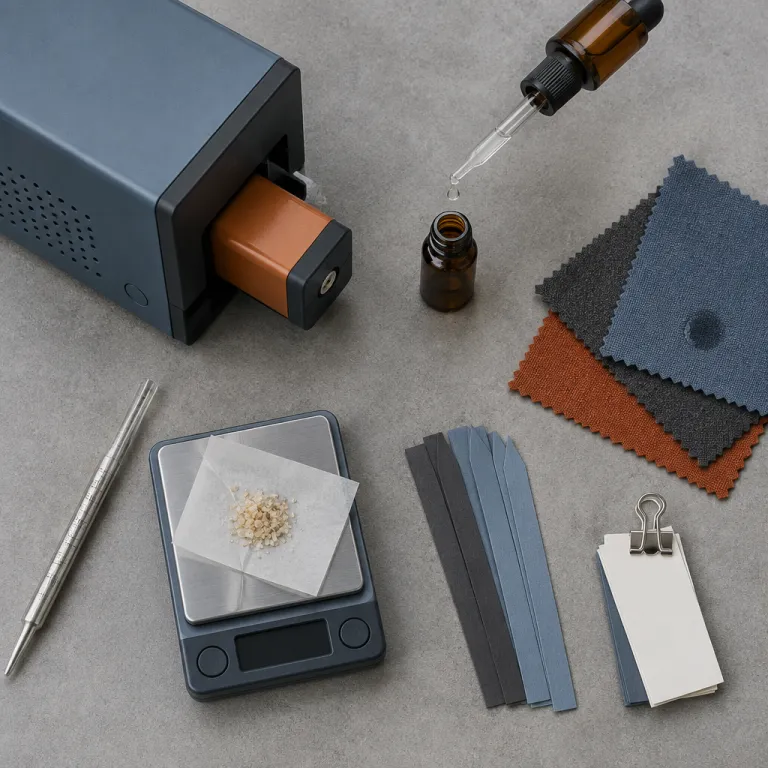
The neuroscience of a luxury hotel signature scent fragrance
Step into a luxury hotel lobby and your brain starts working before your eyes finish adjusting to the light. A carefully calibrated luxury hotel signature scent fragrance reaches the limbic system in seconds, linking the new space to stored emotions and priming you to feel relaxed, cared for, maybe even a little in love with the stay ahead. Neuroscientists note that this direct pathway between scent and memory is why one subtle smell can transport you back to a particular room, a specific city or a single perfect weekend.
For couples choosing a hotel for a romantic escape, this invisible design layer matters as much as the thread count. A refined signature hotel scent or a family of coordinated perfumes can become the emotional shorthand for your shared trip, resurfacing years later whenever a similar eau parfum brushes past you in daily life. Luxury hotel brands understand that a good fragrance strategy does more than make the lobby smell clean; it engineers recall, loyalty and that quiet moment when both of you say, almost at once, “this smells great”.
Industry surveys from scent-marketing firms and hospitality consultancies suggest that close to half of high-end properties now use some form of branded aroma in public spaces, and the percentage rises sharply among global luxury flags. For example, a 2019 Scent Marketing Institute briefing and a 2022 report from JLL’s Hotels & Hospitality Group both highlight ambient fragrance as a fast-rising investment category for upscale hotels. This aligns with hospitality design reports that rank sensory personalization, including tailored parfum and eau parfumée options, among the top guest experience priorities for the coming decade. In practice, this means that when you book a room through a premium platform, you are increasingly booking into a curated olfactory world as deliberate as the architecture or the art on the walls.
From creative brief to lobby air: how hotels build a signature scent
Behind every memorable luxury hotel signature scent fragrance sits a surprisingly rigorous process. Luxury hotel brands act as implementers while specialist fragrance designers and perfumers serve as creators, translating a property’s story into a precise blend of notes that will diffuse beautifully through air rather than just on skin. When guests ask “Why do luxury hotels have signature scents?”, the most accurate answer is the one experts repeat: “To create memorable experiences and strengthen brand identity.”
The journey usually begins with a creative brief that defines mood, geography and guest profile, sometimes referencing existing icons like Byredo Bal Afrique or Afrique Byredo to signal a desired direction without copying the perfume. Fragrance houses then test multiple eaux de parfum and lighter eau toilette style accords in controlled mock ups of a hotel lobby, spa and room corridor, measuring how the scent smells over time and how different decant smells behave in HVAC systems. Case studies from leading scent vendors such as ScentAir and Air Aroma describe development phases that often run well over a year, as chemists refine the parfum concentration, adjust green notes, and ensure the final fragrance will not clash with cleaning products or restaurant aromas.
Technology now plays a quiet but decisive role in this process. HVAC integrated diffusers allow precise control of how strong the scent smells in different zones, while guest data platforms similar to those described in analyses of how AI shapes your stay before check in (AI driven pre arrival personalization) help hotels understand which fragrance families resonate with returning couples. In one often cited example, a luxury urban hotel worked with a fragrance house to test three variations of its lobby accord over six months, rotating them weekly and tracking guest satisfaction scores and repeat bookings. Some brands even run small scale tests with loyal member segments, inviting them to reply to surveys or post reply style feedback in private communities before locking in a final signature scent. Over time, this careful calibration turns a simple parfumée trail in the lobby into a powerful, ownable asset.
Layering the experience: from lobby air to room rituals
Once a luxury hotel signature scent fragrance is finalized, the real artistry lies in how it is layered across the stay. The most thoughtful properties resist the temptation to blast a single strong smell everywhere, instead creating a family of related perfumes that shift subtly from lobby to spa to room. This approach respects guests who are sensitive to parfum while still ensuring that one coherent signature scent ties the experience together.
In practice, you might encounter a brighter, slightly green interpretation of the fragrance in the arrival hall, then a softer eau parfumée blanc style variation in the elevator and corridors. Inside the room, amenities such as hand wash, body lotion and linen spray often carry a gentler eau parfum concentration, designed to smell good at close range without overwhelming sleep or appetite. Some hotels extend the story further with candles, travel sized perfumes and even small decant smells that couples can take home, turning a weekend into a long term olfactory ritual.
For travelers booking larger suites or multi bedroom layouts, this layering becomes even more important. A three bedroom suite in Orlando or a similar spacious configuration highlighted in guides to elevated comfort for families and groups (spacious suite experiences) needs a scent strategy that feels consistent yet adjustable from room to room. Leading brands now offer in room scent menus, allowing you to choose between the core signature scent, a calmer luna aurora inspired night blend or a fresher polo green leaning daytime option. The result is a stay that feels curated rather than generic, with fragrance acting as a quiet but constant host.
Balancing signature scent with sensitivities and personal taste
Not every guest wants the same intensity of luxury hotel signature scent fragrance, and the best properties treat this as a design challenge rather than an inconvenience. Allergies, migraines and simple preference all shape how a person experiences a smell, so responsible hotels build flexibility into their systems from the start. That can mean zoning diffusers carefully, offering fragrance free floors, or training staff to respond quickly when a couple says the room smells too strong.
Pre arrival questionnaires now often include fragrance preferences alongside pillow type and minibar choices, especially on premium booking platforms where member profiles store detailed stay histories. Some hotels even reference external communities such as Fragrantica, where a member of the Fragrantica Club might rate Dior Addict, Donna Karan Cashmere Mist or Byredo Bal Afrique, to understand which perfume families feel romantic, energizing or too heavy for shared spaces. When a guest notes that a scent smells great but slightly sweet, a well trained team will adjust the diffuser settings or offer an alternative eau toilette style spray without fuss.
Digital interfaces are quietly reshaping this dialogue. In room tablets sometimes include a simple "scent level" slider, replacing the awkward need to call reception and wait for a post reply from housekeeping about what is possible. On some brand apps, the same login register screen that lets you manage late checkout or restaurant bookings now includes a fragrance preference field, so you do not need to register post stay complaints about overpowering parfum. This balance between a strong, recognizable signature scent and genuine respect for individual sensitivities is where luxury feels most human.
Iconic hotel fragrances and how to choose your next scented stay
Certain properties have become inseparable from their luxury hotel signature scent fragrance, to the point where the perfume almost functions as a logo. Think of a coastal hotel where the air carries a mineral, slightly green accord reminiscent of Bvlgari Eau Parfumée au Thé Blanc, or an urban hideaway whose lobby trails a smoky, ambered note that fragrance fans compare to Dior Addict or a softer Donna Karan classic. These scents do not copy existing perfumes; instead, they echo beloved structures so that well traveled noses feel an instant, if subconscious, familiarity.
Fragrance enthusiasts often map these experiences using tools like Fragrantica, where a quick search for a hotel’s retail candle or room spray can reveal its official notes and related perfumes. A reviewer might write that the property’s parfumée blanc diffuser oil feels like a cross between Blanc Bvlgari and a toned down Afrique Byredo, or that its luna aurora pillow mist leans more polo green than expected. Over time, such comparisons help couples choose stays whose olfactory profile matches their shared taste, just as they might compare room sizes or spa facilities.
When browsing a curated platform such as Incredible Stay, pay attention to how properties describe their scent philosophy alongside design and service. Articles on condotel living and premium beach resorts, for example, often highlight how a coastal signature scent uses marine notes, citrus and airy eau parfumée textures to keep rooms feeling fresh in humid climates (premium beach resort elegance). If you are sensitive, look for mentions of adjustable diffusion, fragrance free zones or optional in room parfum rather than mandatory sprays. The most refined hotels treat fragrance as an invitation, not an imposition, ensuring that every smell supports the story you will keep telling long after checkout.
How niche perfume culture is reshaping hotel fragrance strategy
The rise of niche perfume culture has made guests far more literate about scent, and luxury hotels are adapting quickly. Couples who collect Byredo, Dior or Bvlgari Eau Parfumée now arrive with clear expectations about quality, balance and how a parfum should evolve over time. They notice when a lobby accord feels thin, when a room spray smells synthetic, or when a supposedly green note turns harsh in humid air.
Some brands respond by collaborating with well known perfumers whose names quietly circulate among enthusiasts, much like a discreet credit to a respected nose in a specialist community. Others host small fragrance events for loyal member tiers, where guests can smell different decant smells of the house signature scent, compare them to classics like Polo Green or Donna Karan favorites, and share feedback in formats that resemble a private Fragrantica Club thread. While you will not see a literal login register or post reply button in the lobby, the spirit of those online forums informs how hotels collect and act on guest opinions about their fragrance direction.
For travelers, this convergence of hotel design and perfume culture opens a new way to curate trips. You might choose one stay because its signature scent echoes Byredo Bal Afrique, another because its eau toilette amenities recall a beloved Dior Addict flank, and a third because its parfumée blanc candle smells like a softer Blanc Bvlgari. Over multiple journeys, these layered olfactory memories form a personal atlas of places where the air itself felt tailored to you, proving that when handled with care, fragrance can be as decisive as location or service in defining what truly feels like an incredible stay.
FAQ about luxury hotel signature scent fragrance
Why do luxury hotels invest in a signature scent strategy ?
Luxury hotels invest in a signature scent strategy because fragrance strengthens brand identity and deepens emotional connection. A consistent luxury hotel signature scent fragrance helps guests associate specific smells with positive memories of service, design and location. Over time, this recognition can drive repeat bookings more effectively than visual branding alone.
Can guests usually buy a hotel’s signature fragrance to take home ?
Many luxury hotels now sell their signature scent as candles, room sprays or personal perfumes. These products often use a slightly softer eau parfum concentration than the lobby diffusion formula, making them comfortable for daily use. Buying one can be a subtle way to relive a favorite stay long after checkout.
How are hotel signature scents created in practice ?
Hotel signature scents are typically developed through collaboration with professional perfumers and fragrance houses. The process includes a creative brief, multiple lab trials and on site testing in lobbies, corridors and rooms to see how the scent behaves in real conditions. Only after this testing phase do hotels roll out the fragrance across public areas and amenities.
What if I am sensitive or allergic to strong fragrances in hotels ?
If you are sensitive to fragrance, mention this when booking and again at check in. Many luxury properties can assign you to a room on a lightly scented or fragrance free floor, or reduce diffuser intensity near your room. Some will also remove scented amenities and provide unscented alternatives on request.
How can I find a hotel whose scent profile matches my perfume tastes ?
Travelers who enjoy perfume can research hotel fragrances by reading detailed reviews and searching for the property’s candles or room sprays on specialist platforms such as Fragrantica. Comparing listed notes with perfumes you already love, such as Byredo Bal Afrique, Dior Addict or Bvlgari Eau Parfumée, helps you predict whether a hotel’s air will feel comforting or distracting. When in doubt, email the hotel to ask about their fragrance approach and any options for adjusting it during your stay.