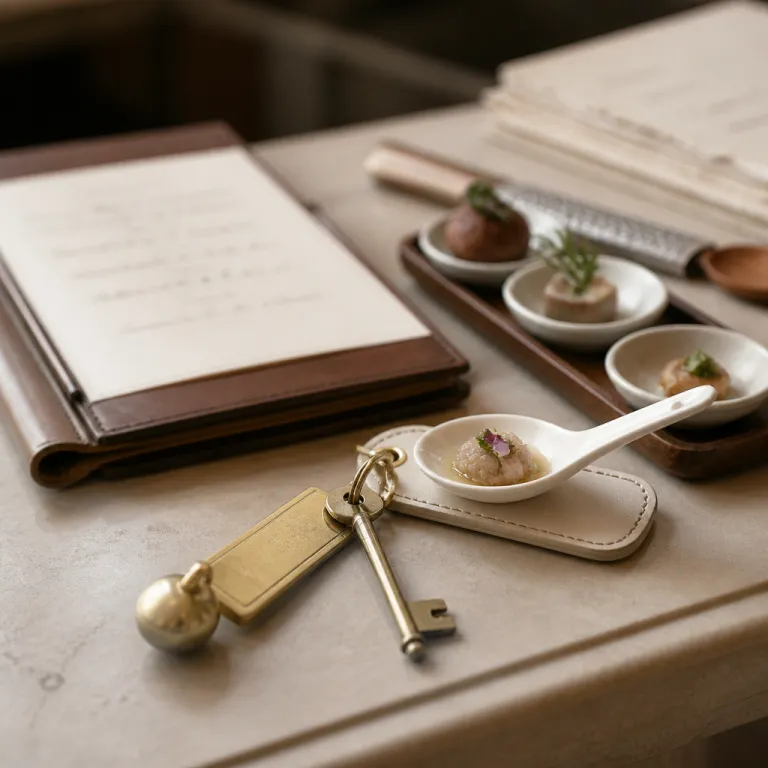
The rise of luxury hotel chef restaurant destination dining
At the top end of hospitality, the luxury hotel chef restaurant destination dining trend is quietly rewriting the rules. Many couples now choose a hotel because of its chef and dining reputation, then treat the room as the supporting act to the restaurant. This shift means that for certain hotels, the most coveted reservation is no longer the suite but the table where the executive chef designs a course dinner that feels like a once in a decade experience.
Across Europe, Asia and the United States, Michelin starred restaurants inside hotels are reporting waitlists that outpace room reservations by weeks. Industry data from groups such as STR and JLL shows that dining reservations can surpass room bookings in peak seasons, especially when a famous celebrity chef or award winner leads the culinary team and the hotel restaurant has become a destination in its own right.1 For travelers using a premium booking website, this new reality changes how you plan, how early you book, and how you evaluate the true value of a stay built around fine dining rather than spa menus.
Le Cinq at Four Seasons Hotel George V in Paris, Olive Tree at The Queensberry Hotel in Bath, and 311 Omakase Boston illustrate how a hotel can be defined by its dining experiences.2 Each property uses its restaurant, bar and cocktail lounge as the primary stage for hospitality, then aligns room dining, lounge seating and even the lobby lounge around that central narrative. When you search for luxury hotel chef restaurant destination dining today, you are often really searching for a chef cuisine philosophy that will shape every moment of your stay, from light bites at the bar to private dining in a hidden room.
How a Michelin star reshapes the economics of a hotel stay
Once a hotel restaurant earns a Michelin star, the balance sheet changes in ways most guests never see. A single star can lift average daily room rates, extend the average length of stay, and attract hotel guests who would never have considered that address before the dining experience became headline news. For couples planning a romantic escape, this means that the luxury hotel chef restaurant destination dining choice you make can quietly influence everything from room category availability to the level of service in the lounge or lodge style bar.
Three Michelin stars, as at Le Cinq in Four Seasons Hotel George V, can transform a property into a global culinary destination. The restaurant becomes a magnet for food and beverage press, while the hotel leverages that attention to reposition itself at the very top of the luxury hotels market without buying equivalent advertising.3 Revenue managers now model scenarios where a fully booked course dinner calendar in the hotel restaurant justifies investment in larger kitchen gardens, hyper local food sourcing and AI tools that forecast demand to reduce food waste by up to 67 % in some kitchens, as highlighted in Marriott International’s 2023 Canary Wharf pilot.4
For travelers, the practical impact is clear yet often overlooked when they first learn about a property. Securing a table at a famous hotel restaurant may require booking two to four months ahead, while a room might still be available closer to the date. One guest at a London flagship recently described the process as “booking the table first, then building the whole weekend around it.” This is why many hotels now build exclusive dining packages for hotel guests, bundling guaranteed reservations, private dining access and room dining enhancements into offers that reward those who book early and treat the chef as the main reason to travel.
From chef first to room second: how couples now plan their stays
On incredible-stay.com we see a clear pattern in how discerning couples plan luxury hotel chef restaurant destination dining trips. They start by researching the chef, the menu and the broader culinary philosophy, then only later compare room types, spa facilities and the cocktail lounge list. The chef becomes the de facto concierge, shaping the rhythm of each day through tasting menus, market visits, bar offers and curated light bites in the lounge.
Industry reports now describe chef residencies and pop ups as “the hotel dining format worth flying for in 2026”, and that sentiment matches what many hotel guests tell concierges. Instead of asking which museums to visit, they ask which celebrity chef is in residence, whether the executive chef offers counter seating, and how to secure a seat at a special course dinner. This inversion of priorities is especially strong at properties where the hotel restaurant hosts a James Beard award winner or a chef with a recent Beard Award nomination, because the dining experiences feel time limited and intensely personal.
For couples using a curated booking platform, the smartest move is to book the restaurant before the room whenever possible. Our detailed guide on when the restaurant is the reason explains why some hotels now hold around 30 % of tables for in house guests, yet still see waitlists for prime dinner slots. To make this concrete, consider a three night stay in Paris built around Le Cinq in late October 2024: the couple secures a Friday dinner reservation as soon as the 60 day booking window opens, then books a Thursday to Sunday room stay, arranges a Saturday lunch at a nearby bistro, and uses the hotel lounge and bar as relaxed spaces before and after the main tasting menu so the evening feels choreographed rather than rushed.
Kitchen gardens, hyper local sourcing and the new sense of place on the plate
One of the clearest markers of serious luxury hotel chef restaurant destination dining is what happens outside the kitchen. Increasingly, the most interesting hotels are those where the chef cuisine philosophy begins in a kitchen garden, an on site farm or a network of nearby producers. Borgo Pignano near Florence, for example, built its culinary program around Michelin starred chef Stefano Cavallini, using estate grown ingredients to anchor both the fine dining restaurant and more relaxed lounge or bar menus.
This soil to plate approach turns food and beverage into a narrative about landscape, climate and culture rather than just technique. AI driven forecasting, as seen in the Marriott Canary Wharf case study presented in 2023, helps these hotels match harvest cycles with guest demand, cutting waste while ensuring that room dining, private dining and even light bites in the cocktail lounge reflect what is genuinely in season. For couples, the result is a dining experience where the same tomato or herb might appear in a course dinner, a bar snack and a breakfast dish, each time framed differently yet always rooted in the same place.
If you care about provenance, look for hotels that talk as much about their gardens and farmers as they do about their famous chefs. Our feature on hotels growing what they serve outlines how this movement elevates hospitality from amenity to attraction. When a hotel restaurant, a relaxed lounge and even a rustic lodge style annex all share the same ingredients and culinary language, your entire stay becomes a continuous tasting menu that extends far beyond the dining room. As one Tuscan chef put it, “If you remember the tomato more than the tablecloth, we have done our job.”
Securing the hardest table: strategies for reservations led travel
Once you accept that the dining reservation may be harder than the room, your planning strategy needs to change. For many Michelin level hotel restaurants, the average lead time for a prime dinner slot is around 60 days, and that window can stretch further when a celebrity chef or James Beard award winner is in residence. Couples who treat luxury hotel chef restaurant destination dining as the anchor of their trip routinely book tables months before they commit to flights or suites.
Experts advise a layered approach that uses every tool modern hospitality offers. Online reservation platforms, hotel booking systems and premium credit card concierge services can all help, but the most effective tactic is often to contact the hotel directly and explain that the dining experience is your primary reason to book. As one insider guide from 2024 puts it without ambiguity, “Book dining reservations months in advance. Consider lunch for easier booking. Utilize hotel concierge services.”
Lunch can be a strategic alternative when dinner is fully committed, especially at properties that reserve a portion of tables for hotel guests but still face intense demand. Ask about bar seating, lounge seating or chef counter options, which sometimes open up even when the main restaurant appears sold out online. When you finally secure the reservation, align your room check in, spa appointments and any off site plans around that time, treating the chef, the menu and the restaurant as the fixed points in your itinerary.
How to tell marketing from true destination dining
Not every hotel that talks about gastronomy delivers a genuine luxury hotel chef restaurant destination dining experience. The challenge for travelers is separating polished marketing from properties where the chef, the restaurant and the wider food and beverage program truly justify a dedicated trip. A few clear signals can help you learn quickly whether a hotel is serious about culinary excellence or simply following a trend.
Start with the chef’s track record and the restaurant’s independent recognition. Has the executive chef led other respected restaurants, earned a Michelin star, or contributed to a James Beard or Beard Award nominated project, and does the current hotel restaurant appear in credible guides or rankings such as the Michelin Guide 2024 or regional top restaurant lists.5 Then look at how integrated the culinary vision is across the property, from room dining to the cocktail lounge, from the main bar offers to any lodge style annex or relaxed lounge where hotel guests can enjoy light bites that echo the main menu.
Finally, pay attention to repeat guests and the stories they tell. Our analysis of what makes a luxury hotel earn a second stay, detailed in this guide to quiet details that drive return bookings, shows that truly memorable dining experiences are one of the strongest drivers of loyalty. When couples return to the same hotels primarily to revisit a dining experience, to sit again at the same lounge seating, or to taste a new course dinner from a chef whose cuisine they now trust, you know the property has moved beyond marketing into the realm of authentic destination dining.
Key figures shaping chef led hotel dining
- At many Michelin level hotel restaurants, the average lead time for a prime dinner reservation is around 60 days, which means couples should plan their dining experiences at least two months before finalizing flights or rooms.
- Roughly 30 % of tables in some high demand hotel restaurants are held for in house guests, yet these allocations still sell out quickly when a famous chef or award winner is in residence.
- Case studies from large international hotel groups show that AI supported forecasting in kitchens can reduce food waste by up to 67 %, freeing budgets to invest in better ingredients and more ambitious menus.
- Industry timelines indicate that as new Michelin Guides launch in emerging cities, demand for hotel based fine dining rises sharply in the following seasons, often outpacing the growth in room reservations.
- Concierge teams report that for certain flagship properties, more than half of pre arrival guest requests now relate to restaurant reservations, private dining arrangements or special course dinner experiences.
FAQ: planning a stay around a chef led hotel restaurant
How far in advance should I book a Michelin level hotel restaurant ?
For most Michelin starred hotel restaurants, you should aim to secure dinner reservations two to four months in advance. The 60 day mark is a common opening window for online bookings, but high demand dates can disappear within hours. If you are planning a once in a lifetime luxury hotel chef restaurant destination dining trip, treat the restaurant booking as your first priority.
Do hotels really hold tables for their own guests ?
Many top tier hotels reserve a portion of tables, often around 30 %, specifically for in house guests. This policy recognizes that the dining experience is now a core part of hospitality, not just an add on. Even so, you should still request reservations as early as possible, especially when a celebrity chef or James Beard award winner is leading the kitchen.
Is lunch easier to book than dinner at destination restaurants ?
Lunch is usually easier to secure than a prime time dinner slot, even at very famous hotel restaurants. Couples who are flexible on timing often find that a long lunch delivers the same tasting menu, the same chef cuisine and the same level of service with less pressure on reservations. You can then enjoy a lighter evening in the bar, lounge or lodge style spaces with cocktails and light bites.
Should I book the room or the restaurant first for a chef focused stay ?
When the restaurant is the main reason for your trip, you should book the dining reservation first. Once you have confirmed the date and time with the hotel restaurant, align your room booking, flights and other plans around that anchor. This approach reduces stress and ensures that the executive chef, the menu and the overall dining experience remain at the heart of your stay.
How can I tell if a hotel’s dining offer is truly world class ?
Look for independent recognition such as Michelin stars, James Beard or Beard Award connections, and consistent praise from credible reviewers rather than only marketing language. Check whether the culinary vision extends beyond the main restaurant into room dining, the cocktail lounge, the bar offers and any relaxed lounge seating areas. When every part of the hotel reflects a coherent food and beverage philosophy, you are far more likely to enjoy a genuine luxury hotel chef restaurant destination dining experience.
References
- STR and JLL, global hotel performance and F&B trend reports, 2022–2023. ↩
- Michelin Guide entries for Le Cinq (Paris), Olive Tree (Bath) and 311 Omakase (Boston), Michelin Guide 2024. ↩
- Michelin Guide 2024, Three Star Restaurants in Paris, Le Cinq at Four Seasons Hotel George V. ↩
- Marriott International, Canary Wharf food waste reduction pilot, internal case study presented 2023. ↩
- Michelin Guide 2024 and regional James Beard Foundation award listings. ↩