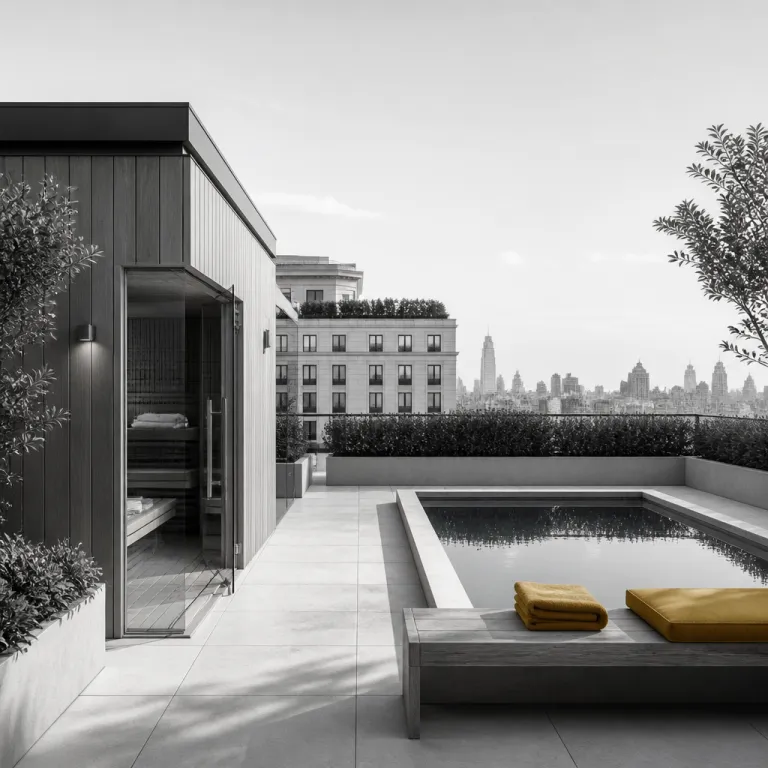
The rise of contrast therapy in luxury hotels
Contrast therapy has moved from athlete locker rooms into the wider world of luxury hotel spas and wellness resorts. In its purest form, contrast therapy means alternating deliberate exposure to hot and cold water to trigger cycles of vasoconstriction and vasodilation that support circulation, inflammation control, and nervous system balance. Many high-end spa hotels now treat this as a core wellness pillar, building entire thermal spa zones where guests move between sauna, steam, hot tubs, and a dedicated cold plunge pool under expert guidance.
From a physiological standpoint, the alternation between hot and cold water therapy creates a pump effect in your blood vessels that can support recovery after long flights or demanding hikes. A 2013 meta-analysis in the Journal of Strength and Conditioning Research (Higgins et al., 27(11):3340–3360) reported that contrast water therapy reduced perceived muscle soreness by roughly 20–30 % after intense exercise, while a 2014 review in the International Journal of Sports Medicine (Bieuzen et al., 35(12):1019–1028) noted meaningful but modest improvements in blood flow and limb perfusion, with results varying by protocol and individual fitness. These findings help explain why elite athletes have used contrast therapy for decades, even though it is not a cure-all and works best as one element in a broader recovery plan. In the context of a luxury resort, that same principle is translated into serene spa experience circuits where hotel guests and local visitors can move at their own pace, often with hydrotherapy jets, sea inspired rituals, and quiet relaxation suites to extend the benefits.
For travelers comparing properties, the presence of a well-designed hot and cold hydrotherapy circuit has become a meaningful differentiator rather than a passing trend. Some hotels simply add a small plunge pool beside a sauna, while others design full thermal spa journeys that integrate cold plunges, infrared cabins, and water therapy paths into multi hour spa treatments. Typical cold plunge pools in these settings sit between 8 and 12 °C (46–54 °F), with recommended immersions of 30 seconds to two minutes for most healthy adults, followed by several minutes of rest or gentle warmth. When you browse wellness focused booking platforms, look for language that explains how the spa team sequences hot and cold exposure, whether they offer guided introductions, and how they adapt the circuit for different comfort levels, because that is where the real experience and recovery value lies.
From Nordic fjords to Japanese onsens: cultural roots of hot and cold water
The modern contrast therapy cold plunge luxury hotel owes a quiet debt to centuries of bathing culture in Scandinavia and Japan. Nordic traditions pair wood fired sauna heat with icy lake or sea dips, while Japanese onsen rituals revolve around mindful immersion in mineral rich hot water followed by cooling phases that respect both body and landscape. Luxury resort designers borrow these ideas, then translate them into controlled spa environments where guests can access cold water immersion without needing a frozen fjord outside the door.
In Northern Europe, the classic sequence is simple yet powerful; you warm thoroughly in a sauna, step into cold water or snow, then rest before repeating the cycle several times. Many coastal hotels now echo this by placing a thermal spa wing close to the sea, so hotel guests can move from a hot pool or sauna to an outdoor cold plunge with ocean views that soften the intensity. Japanese influenced properties, by contrast, often emphasize quiet, almost meditative transitions between hot tubs, stone plunge pools, and ambient temperature spaces, creating a spa experience that feels less like a challenge and more like a slow unfolding ritual.
For travelers in the United States, this cultural context matters when choosing a contrast therapy focused luxury hotel because it shapes how accessible the experience feels. A Scandinavian style resort may highlight bold cold plunging and brisk outdoor walks between sauna cabins and plunge pools, while a Japanese inspired retreat might focus on subtle hydrotherapy, tea rituals, and contemplative gardens. One spa director in Colorado described it this way: “Our Nordic circuit is designed to feel invigorating and social, while our onsen style pools invite guests to slow down and stay quiet.” If you are planning a wellness escape that balances intensity with comfort, it can help to read detailed spa descriptions or guides to year round relaxation with indoor pools before you book, especially when you want both thermal contrast and classic swimming options.
Inside the thermal circuit: how hotels design hot and cold journeys
Walk into a serious contrast therapy cold plunge luxury hotel spa and you will rarely find a single lonely tub. Instead, you enter a carefully choreographed circuit where heat, cold, light, and sound are layered to guide your nervous system from alertness to deep calm. The best properties treat this as architectural hydrotherapy, using materials, temperatures, and water flow to shape how guests move and how their bodies respond.
A typical circuit might begin with a warm shower and a moderate temperature sauna to ease your body into the experience before any extreme cold water immersion. From there, therapists often suggest a short session in a hotter sauna or steam room, followed by a brief step into a dedicated cold plunge pool that sits between 8 and 12 °C, then a rest in a quiet suite or tepidarium style room. This hot cold alternation can be repeated several times, and many resorts now add features such as contrast showers, ice fountains, and outdoor hot tubs to give hotel guests more ways to calibrate intensity. First timers are usually encouraged to start with one or two rounds, keep breathing steady, and exit the plunge as soon as they feel their breath becoming strained or lightheaded.
For solo travelers, the key is to choose a spa experience that matches your comfort level and your goals for recovery or relaxation. Some luxury hotels integrate contrast therapy into longer spa treatments, pairing massages with guided cold plunges and breathwork so the nervous system has time to settle. Others weave the thermal spa into the wider stay, using technology to personalize recommendations; for example, properties that invest in AI driven guest profiling, as explored in this guide to how a hotel already knows you before check in, can suggest specific contrast therapy timings based on your travel schedule and sleep patterns. One frequent guest at a mountain resort described her routine as “a short sauna, a 45 second plunge, then ten minutes wrapped in a blanket with tea,” repeated twice each evening to ease jet lag.
Making extremes inviting: accessibility, safety, and first time nerves
Even in a contrast therapy cold plunge luxury hotel, the idea of stepping into near freezing water can feel intimidating. The most thoughtful wellness resorts understand this and design both spaces and protocols that make extremes feel inviting rather than punishing. Clear signage, attentive spa therapists, and gentle on ramp options such as cool showers or milder plunge pools help hotel guests, locals, and international travelers ease into the practice safely.
From a safety perspective, the golden rule is gradual exposure and honest listening to your own body, especially if you have cardiovascular concerns or are new to intense thermal contrast. Many hotel spas now require a brief consultation before you begin a full hot cold circuit, and some integrate wearable monitoring or timed sessions to keep cold plunging within recommended limits. People with unstable heart disease, uncontrolled high blood pressure, severe Raynaud’s phenomenon, or who are pregnant are generally advised to seek medical clearance or avoid extreme temperature shifts altogether. This is where the expertise of luxury hotels as providers and the role of spa therapists as partners become crucial, because they translate clinical knowledge about circulation and recovery into simple, reassuring guidance for hotel guests.
For nervous first timers, it can help to start with shorter immersions in cold water, perhaps ten to twenty seconds, followed by longer periods in a warm pool or mild sauna environment. Over a multi day stay, you can gradually extend your time in the cold plunge while keeping a focus on how you feel afterward rather than chasing extreme durations. One therapist described a common pattern: “Most guests arrive anxious about the cold, but by the third day they are the ones encouraging others to try it.” When you book a property that emphasizes wellness and spa relaxation, look for clear explanations of their thermal spa etiquette and whether they offer small group introductions, because a supportive setting often turns apprehension into one of the most memorable parts of your trip.
Where contrast therapy shines: standout properties and stay strategies
Across the world, the contrast therapy cold plunge luxury hotel is no longer a niche experiment but a defining feature of serious wellness destinations. In Iceland, Deplar Farm has become a reference point, pairing geothermal hot pools with icy river plunges and snow framed saunas to create an elemental spa experience that feels inseparable from the surrounding landscape. In North America and Europe, leading resort brands and independent properties are building entire wellness wings where hydrotherapy, cold plunges, and hot tubs sit alongside yoga studios and recovery focused gyms.
Large loyalty programs such as Marriott Bonvoy now highlight hotels with advanced spa treatments and thermal spa facilities, making it easier for frequent travelers to filter for properties that offer contrast therapy and cold water immersion. Some urban hotels integrate compact plunge pools and sauna cabins into high floor spa suites, turning a short city break into a focused recovery retreat between meetings, events, or even tournament gatherings for sports travelers. Others lean into nature, placing cold plunge pools beside lakes or the sea so guests can move from structured water therapy to wild swimming within a single afternoon.
When you plan your own stay, think about how contrast therapy fits into the wider rhythm of your trip rather than treating it as a one off novelty. A business traveler might schedule a thermal circuit after long haul flights and before key meetings or events, while a solo explorer could build a multi day program that alternates hiking with spa sessions and quiet evenings in a wellness focused suite. For more guidance on weaving spa experiences into your itinerary, it is worth reading in depth advice on luxury hotel booking with spa and wellness, then cross checking how each property describes its contrast, hot cold, and water therapy offerings so you can choose the stay that genuinely supports your body and mind.
FAQ
What is contrast therapy in a hotel spa setting ?
In a hotel spa, contrast therapy means alternating between hot and cold treatments such as saunas, steam rooms, hot pools, and cold plunge pools. This deliberate shift between temperatures is designed to stimulate circulation, support recovery, and promote relaxation. Many luxury hotels now integrate these sequences into structured thermal spa circuits guided by trained therapists.
What are the main benefits of using a cold plunge during my stay ?
A cold plunge can help reduce perceived muscle soreness, especially after long flights or active days, and may support circulation through rapid vasoconstriction. When combined with heat from a sauna or hot tub, the alternation can leave many guests feeling both alert and deeply relaxed. Travelers often report better sleep and a sense of mental clarity after a well designed hot and cold session, although responses are individual and benefits tend to be moderate rather than dramatic.
How should first time guests approach hot and cold water therapy safely ?
First time guests should start with short exposures to cold water, always after warming up in a mild sauna or warm pool, and then rest before repeating the cycle. It is wise to consult spa staff about any medical conditions, avoid pushing through dizziness or discomfort, and focus on gradual adaptation over several sessions. Most luxury hotel spas provide clear guidelines and encourage you to exit the cold plunge as soon as it stops feeling manageable, especially if you have a history of heart, blood pressure, or respiratory issues.
Where can travelers experience contrast therapy while on the road ?
Many luxury hotel spas worldwide now offer contrast therapy circuits that include saunas, steam rooms, hot pools, and cold plunges. You can usually find these facilities in wellness focused resorts, alpine retreats, and urban hotels with advanced spa programs. When researching, check the spa descriptions for terms such as thermal spa, hydrotherapy, or cold plunge pool to confirm that true hot and cold options are available.
What is contrast therapy and what are the benefits of contrast therapy ?
“What is contrast therapy?” and “What are the benefits of contrast therapy?” are common questions among wellness travelers. The practice is defined as “Alternating between hot and cold treatments.” and its main advantages are summarized as “Improved circulation, reduced muscle soreness, enhanced relaxation.” For hotel guests, these benefits translate into faster recovery from travel stress and a deeper sense of overall wellness during their stay, while still depending on consistent use, sensible time limits, and attention to individual health needs.