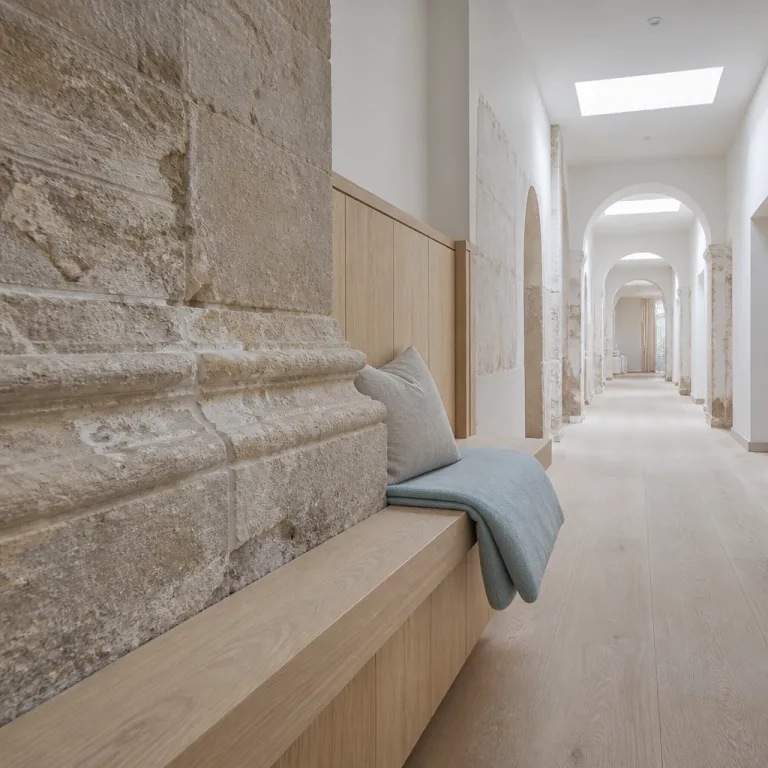
The modern heritage hotel grand tour luxury itinerary
A modern heritage hotel grand tour luxury itinerary treats each property as a chapter in a larger story. Instead of racing through cities, you design a grand sequence of stays where every hotel, every room, and every palace wing adds context to the last. This kind of grand tour shifts the focus from ticking off sights in a day to curating a chain of meaningful nights.
Travel planners now build a heritage hotel grand tour luxury itinerary the way curators assemble an exhibition. One itinerary might follow an Art Deco thread from a grand hotel in San Francisco to an oceanfront landmark in Rockport, then onward to an Italian palace complex overlooking a lake. Another might trace a Belle Époque line through spa towns, where each hotel day includes activities that echo the era, from waltz lessons to carriage rides and cable car ascents.
Behind the scenes, Heritage Hotels as an organizer and local tour guides as partners help structure the duration of each tour so the narrative feels coherent. Their historical travel itinerary model uses a clear timeline — arrival, city tour, visit to historical sites, cultural activities, then departure — but elevates every step with private access and small group experiences. The result is a grand tour where the hotel private spaces, from library to bar, become as central as any UNESCO heritage monument outside.
For couples, this approach changes how you think about where to save and where to spend during travel. You might choose fewer destinations but invest in a double room in a grand hotel with a strong story, rather than more stops in anonymous properties. With price based on value per memory rather than price based on square metres alone, the heritage hotel grand tour luxury itinerary becomes less about volume and more about resonance.
From cultural institution to check-in: why these hotels matter
Heritage hotels function as cultural institutions as much as places to sleep. A heritage hotel grand tour luxury itinerary often links properties that house serious art collections, maintain original woodwork, and preserve craft techniques that would otherwise vanish. When you visit these hotels, you are effectively joining a moving museum tour that runs through your entire trip.
Industry data shows that heritage hotels command an average daily rate roughly 12 percent higher than contemporary properties, with occupancy about eight percentage points above the market. That premium reflects more than nostalgia ; it reflects travelers who understand that a grand hotel with a living archive offers something a new build cannot. AFAR Magazine has identified historic hotels as a growing travel category, driven by guests who want a room where history actually happened, not just a room with good lighting.
On a well designed grand tour, each hotel day includes activities that reveal the building’s role in its city. One day private visit might focus on the palace complex architecture with local guides, while another day might highlight food and wine traditions in the ballroom where diplomats once dined. Guided tours, self exploration with maps, and cultural workshops are all included activities that turn a simple hotel stay into a layered cultural programme.
Travel advisors now treat these properties as anchors for urban exploration, not afterthoughts. In San Francisco, for example, a heritage focused traveler might consult a detailed guide to the city’s best hotels and neighborhoods, then choose a property whose story aligns with their wider tour. That same traveler might then continue their heritage hotel grand tour luxury itinerary across the Atlantic, connecting English seaside landmarks with Italian city palaces in a single, coherent arc.
Designing a sample itinerary: from san francisco to european palaces
Designing a sample itinerary for a heritage hotel grand tour luxury itinerary starts with choosing a theme, not a flight. You might begin in San Francisco, staying in a restored hilltop landmark that has watched the city’s skyline evolve for more than a century. From there, your departure will carry you eastward, linking American history with European layers of empire and art.
A classic grand tour route could move from the West Coast to New England, where Rockport, Maine offers premium stays with harbor views and coastal elegance in historic clapboard mansions. After a few tours of maritime museums and a day private sailing excursion, the next departure will take you to an English country estate hotel, where the duration of your stay is shaped by long walks, library afternoons, and meals breakfast served in panelled dining rooms. Only then do you cross to an Italian city, checking into a palace complex that has hosted aristocrats, artists, and statesmen.
Across this itinerary, each hotel day includes activities that reflect local culture and history. In San Francisco you might ride a cable car to a former trading district, while in England you join small group garden tours led by local guides who understand every stone. In Italy, a private tour guide can unlock frescoed halls usually closed to the public, turning your double room key into a backstage pass.
Seasonality matters when you plan such tours, especially for couples balancing time off with crowd levels. Many heritage specialists suggest jul aug for coastal segments and aug sep for city stays, though shoulder seasons often save both money and stress. Whatever the month, the heritage hotel grand tour luxury itinerary works best when each departure, each room, and each visit feels like a deliberate step in a single unfolding story.
How advisors and hotel groups curate the grand tour
Travel advisors now act less like booking agents and more like editors of a heritage hotel grand tour luxury itinerary. Their role is to weave together hotels, tours, and transfers into a narrative that makes emotional sense. They also help you decide when to choose a hotel private experience and when to join a small group visit for more social energy.
Heritage focused collections such as Belmond, Oetker Collection, and Leading Hotels of the World increasingly position their portfolios as ready made grand tour circuits. You might move from a grand hotel on the Riviera to an English country house and then to an Italian lakeside palace, all within one brand ecosystem. For couples, this can save planning time, because the duration of each stay, the included activities, and even the style of meals breakfast are already calibrated to complement one another.
On a practical level, advisors use tools such as detailed travel guides, audio guides, and maps to structure each day. They coordinate with local tourism boards and cultural institutions so that your visit to a UNESCO heritage site aligns with your hotel’s own programming, whether that means a lecture in the library or a tasting of regional food and wine. A well built heritage hotel grand tour luxury itinerary will often include at least one day private tour in each city, ensuring depth rather than just breadth.
For romantic travelers, this curated approach extends beyond Europe. A couple might pair a heritage rail journey with a stay in a restored palace complex, then finish with a refined island escape in the Aegean. Choosing a Santorini honeymoon with refined island romance, for example, can be the contemporary epilogue to a very old world grand tour, blending cliffside sunsets with the architectural drama of earlier palace stays.
Guest psychology, pricing realities, and how to actually book
Staying in a heritage property on a grand tour feels different from checking into a contemporary hotel. Guests often report a heightened sense of presence, because every corridor, every staircase, and every room carries traces of previous lives. That emotional charge is precisely why a heritage hotel grand tour luxury itinerary resonates so strongly with couples marking anniversaries or planning once in a lifetime trips.
From a pricing perspective, heritage hotels typically sit above market averages, yet the value equation is more nuanced than a simple price based on star rating. You are paying for access to living history, for the expertise of local guides, and for included activities that would cost more if booked separately. When meals breakfast, select tours, and even occasional day private experiences are included, the apparent premium often narrows compared with assembling everything à la carte.
Booking strategies matter if you want to save without diluting the experience. Many couples work with advisors who specialise in cultural tourism, because they understand how to balance duration, room category, and seasonality across the entire grand tour. They also know when a standard double room in a palace complex offers the best sense of place, and when upgrading to a suite genuinely transforms the stay.
For practical planning, remember the core structure used by many heritage specialists : arrival and check in, city tour, visit to historical sites, cultural activities, then departure. As one expert FAQ puts it, “A hotel housed in a historic building, preserving its original architecture.” That definition sits at the heart of every heritage hotel grand tour luxury itinerary, whether your route runs through English spa towns, Italian hill cities, or coastal palaces where the sea itself feels like part of the décor.
FAQ
What is a heritage hotel grand tour luxury itinerary in practice ?
It is a multi stop journey that links historic hotels and cultural landmarks into one coherent route. Instead of treating the hotel as a neutral base, you choose properties that are themselves part of local history. Each stay includes curated tours, local guides, and often small group or private experiences that deepen your understanding of the destination.
How long should the duration of a heritage focused tour be ?
Most couples find that a minimum duration of ten to fourteen days allows for three to four meaningful stops. That gives you at least two full days in each place for a city tour, a visit to key sites, and some unstructured time in your hotel. Shorter trips can still work, but the grand tour feeling comes from letting each property and each neighborhood breathe.
Are heritage tours suitable for families as well as couples ?
Yes, heritage tours are suitable for families, because they combine education with engaging activities. Children often respond well to palace complex stories, cable car rides, and hands on workshops included in many itineraries. The key is to balance structured tours with free time, so younger travelers can rest between museum visits and hotel based activities.
How do I actually book a heritage hotel stay within a grand tour ?
You can book directly through official hotel websites or work with travel agencies that specialise in cultural tourism. Advisors familiar with heritage properties can coordinate rooms, transfers, and included activities across multiple countries. Their expertise is especially useful when you want to align departures, secure a specific double room, or integrate UNESCO heritage visits into your schedule.
What should I pack and plan for a heritage hotel itinerary ?
Comfortable walking shoes are essential, because many historic districts are best explored on foot. Check local weather forecasts for each stop, since a grand tour often spans different climates and altitudes. Finally, respect cultural norms at religious or ceremonial sites, and allow time in your schedule simply to sit in the hotel lounge and absorb the atmosphere.