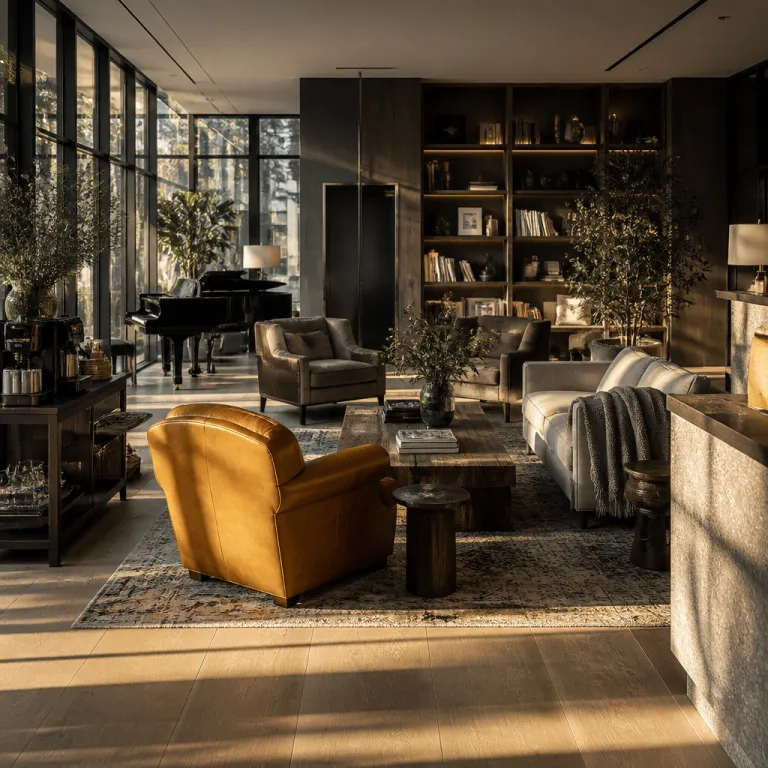
The new role of the hotel lobby as city living room
Walk into a great luxury hotel today and the lobby feels less like a transit zone and more like a living room for the city. The most forward thinking hotel design teams now treat the lobby as a multi functional public space where guests and locals share the same air, the same lighting, and often the same laptop friendly tables. For travelers choosing a room on a Luxury and Premium booking website, this shift in lobby design quietly signals how serious a property is about hospitality, community, and long term guest experience.
Industry data shows why this matters for both travelers and hotel management teams. A 2019 report from the American Hotel & Lodging Association, drawing on data from several major operators, noted that hotels with strong local engagement in their public spaces often report 25 to 40 percent higher food and beverage revenue from non guests, which means more energy in the lobby area at almost every hour of the day (American Hotel & Lodging Association, 2019 Lodging Industry Trends). That commercial success usually reflects thoughtful lobby design decisions, from acoustic zoning and ceiling design to the placement of the reception desk and the mix of seating and furniture.
Designers and owners now speak openly about this evolution in luxury hotel lobbies. As one recent expert summary from hospitality consultants HVS puts it, “Why are hotels redesigning their lobbies? To attract locals and enhance community engagement” (HVS, Hotel Lobby Design Trends Brief). That single line captures the new brief for high end lobby design projects, where the entrance hall is expected to host art, conversation, and work as comfortably as it hosts check in queues and luggage. Real world examples such as the Ace Hotel New York, whose lobby was deliberately planned as a neighbourhood hangout by design firm Roman and Williams, show how a carefully curated public space can become a genuine urban living room for both residents and international guests.
Design principles that turn a lobby into a destination
The most successful hotel lobbies start with scale and proportion, using interior design to make even a vast space feel legible and human. Designers carve the hotel lobby into zones with different seating and decor, so a solo guest can work quietly while a group of guests meets for drinks only a few metres away. This zoning is where contemporary luxury lobby planning becomes visible, because every area signals a different pace and purpose.
Acoustic control is just as critical as visual impact in any modern hotel lobby, but it does not need to feel technical or obvious. Thoughtful acoustic wall panels, soft textiles, and layered ceiling design keep the buzz of the bar from bleeding into the calmer reception desk zone, which protects both privacy and the sense of luxury. When you browse a design hotel on a booking platform, look closely at lobby photos for these cues in wall design, ceiling height, and the placement of furniture, because they reveal how carefully the hotel interior has been planned.
Lighting design then finishes the story, shifting the lobby from bright morning café to low lit evening lounge without ever feeling theatrical. Warm, indirect lighting along the wall and around key pieces of wall art helps guests read the space intuitively, guiding them towards the bar, the café, or the quieter seating clusters. In the best hotel design projects, lighting, art, and decor work together so that the lobby feels like a destination in itself rather than a corridor to the room floors.
From waiting room to cultural hub: how locals change the energy
When locals treat a luxury hotel lobby as their regular meeting point, the atmosphere changes for every guest walking through the door. You feel it in the morning when neighbourhood regulars claim the same seating near the windows, and again at night when the bar area fills with people who clearly are not staying in any room upstairs. That blend of guests and locals is now a key marker of design led hospitality, because it proves the public space works for real life rather than just for photos.
Hotels reach this point by combining strong interior design with smart programming and partnerships. Many properties now collaborate with local artists and community organisations to host exhibitions, talks, and small performances directly in the lobby, using flexible furniture layouts and multi functional zones to adapt the space. The official guidance in one recent report from the International Society of Hospitality Consultants is clear: “What features are common in modern hotel lobbies? Open spaces, local art, and comfortable seating.”
For travelers, this cultural energy translates into a richer guest experience without leaving the hotel. You might arrive for a late check in and find a photography opening in the lobby, or settle into a quiet corner only to realise you are sitting beside a book launch or a design talk. When you evaluate images of luxury hotel lobbies on a booking website, look for signs of this life, from visible wall art and café counters to people using laptops or reading in different lobbies at different times of day.
Balancing openness, privacy, and the business case for community
There is a delicate tension at the heart of every modern hotel lobby that aims to attract locals. The space must feel open enough for the city to walk in, yet controlled enough that overnight guests still feel protected, calm, and recognised. High end lobby design strategy therefore hinges on subtle thresholds, from the position of the reception desk to the way lighting and acoustic treatments separate public and semi private zones.
Commercially, the case for this balance is strong and increasingly well documented by hospitality analysts. Hotels that succeed in drawing locals into their lobbies often see double digit growth in non guest revenue, especially in food, beverage, and event bookings, which in turn supports more ambitious interior design and programming. That halo effect extends to room bookings, because travelers browsing a modern hotel online tend to favour properties whose shared spaces look active, comfortable, and well managed rather than empty and over formal.
From a traveler’s perspective, the trick is to read how a hotel manages this openness before you book. Study the hotel interior photos to see whether seating near the entrance feels distinct from the quieter lounge areas reserved for guests, and whether wall design or furniture placement creates natural boundaries. If you care about wellness and retreat like calm, pair this lobby assessment with research into how the same property handles its private spaces, using guides such as the analysis of wellness first room design on Incredible Stay’s feature about how wellness focused design is reshaping the luxury hotel room.
How to read lobby design when choosing your next stay
When you scroll through a Luxury and Premium booking website, train your eye to read lobby design as carefully as you read room descriptions. Start with the overall space and ask whether the lobby looks like somewhere you would happily spend an hour, not just pass through for check in. Then look for specific design ideas in the photos, such as layered lighting, varied seating, and visible art that suggest the hotel management has invested in the lobby as a true public space.
Next, examine the details that reveal how the hotel treats both guests and locals in daily hospitality. A generous reception desk with clear sightlines, comfortable furniture near natural light, and thoughtful ceiling design all indicate a property that understands flow and comfort in equal measure. Wall art and sculptural decor can hint at partnerships with local artists, while acoustic treatments and rugs show how seriously the team takes noise control in busy lobbies.
Finally, consider how the lobby connects to the rest of the hotel interior and to the surrounding city. A design hotel that opens its lobby café to the street, for example, usually signals confidence in its design luxury and its ability to welcome non guests without compromising privacy upstairs. When you see locals using the lobby as a living room, co working area, or cultural venue, you are looking at a contemporary luxury lobby concept that has succeeded in becoming part of the city’s daily rhythm.
FAQ
Why are hotels redesigning their lobbies to attract locals ?
Hotels are redesigning their lobbies because they want these spaces to function as social hubs rather than simple waiting rooms. By creating open, comfortable areas with strong interior design and local art, properties can attract non guests for coffee, meetings, and events. This approach strengthens community ties, increases foot traffic, and generates additional revenue that supports higher overall service levels.
What features should I look for in a modern luxury hotel lobby ?
Look for a clear mix of seating types, from lounge chairs to communal tables, supported by layered lighting and good acoustic control. High quality materials, curated wall art, and a well positioned bar or café usually indicate that the hotel design team treats the lobby as a destination. Visible locals using the space for work or socialising is often the strongest sign that the lobby functions well as a public space.
How does an active lobby affect my guest experience during a stay ?
An active lobby can enhance your stay by offering a lively atmosphere, easy places to meet contacts, and access to cultural programming without leaving the hotel. When the design balances openness with smart zoning, you gain energy at the entrance while still finding quiet corners for reading or work. Problems only arise when acoustic and spatial planning are weak, so always check how the property separates busy and calm areas.
Can a lobby that attracts locals still feel exclusive and private ?
Yes, a well designed luxury hotel lobby can welcome locals while preserving a sense of exclusivity for overnight guests. Designers achieve this through careful placement of the reception desk, differentiated seating zones, and subtle boundaries created by furniture, lighting, and wall design. The result is a layered public space where everyone feels invited, but registered guests still sense that certain areas are quietly reserved for them.
How do lobby events and programming benefit travelers ?
Events such as art exhibitions, DJ sets, or book launches bring local culture directly into the hotel, giving travelers an immediate connection to the city’s creative scene. These programmes often use flexible, multi functional layouts so the lobby can shift from daytime workspace to evening venue without losing comfort. For guests, this means more reasons to linger downstairs, meet interesting people, and experience the destination without relying only on external venues.