Design hotel vs luxury brand boutique: two philosophies of luxury
When travelers compare a design hotel vs luxury brand boutique style property, they are really weighing two philosophies of what luxury means. One side is driven by unique design and a strong curatorial vision, while the other leans on hotel brands that promise familiar luxury hotels standards across continents. Your experience depends on whether you value surprise and local identity over predictability and polished hotel luxury routines.
In the comparative analysis of design hotel vs luxury brand boutique approaches, innovators such as Design Hotels act as boutique specialists who prioritize artistic risk and bold hospitality narratives. Legacy brands operate differently ; they protect luxury hospitality consistency, using market analysis and guest surveys to refine hotel luxury formulas that can be rolled out to hundreds of hotels. For travelers seeking clarity, the tension between boutique luxury creativity and legacy hotel brands discipline is exactly where the most interesting guest experiences now emerge.
Research since the first design focused hotel opened shows design hotels growth of around 300 percent, which underlines how strongly travelers choose characterful stays over anonymous rooms. This shift is powered by travelers seeking a stay where the atmosphere, the service and the rooms feel rooted in local culture rather than in a global template. When you evaluate design hotel vs luxury brand boutique options on a booking platform, you are really deciding whether you want a hotel experience that feels like a one off story or a luxury hotel that behaves like a reassuringly familiar chapter.
What truly defines a design led hotel stay
A genuine design led hotel is not just a luxury hotel with pretty furniture ; it is a property where every space has been composed rather than simply specified from a catalogue. In the dataset used by consultants, the answer to the question "What defines a design hotel?" is given as "Unique, artistic design emphasizing individuality." That definition matters because it highlights how these hotels offer guest experiences where unique design choices sometimes override operational convenience.
In practice, that might mean rooms shaped by the building’s history, strong architectural lines, or a luxury boutique aesthetic that foregrounds local identity through materials and art. Corridors may feel like galleries, public spaces may double as cultural salons, and the atmosphere often reflects local culture more than brand guidelines. For solo travelers seeking immersion, this kind of hospitality can make guests feel as if they are staying inside a curated story rather than a standard hotel room.
These properties often behave like independent boutique hotels even when they are part of soft hotel brands alliances, and they tend to attract travelers seeking experiences that feel intensely personal. You will notice personalized service that adapts to how guests use the spaces, from staff guest interactions in the lobby to how the bar shifts mood through the day. For a deeper sense of how tailoring culture influences refined hotel stays, the profile of Grand Le Mar on Stockholm tailoring and refined hotel stays at this feature on tailoring inspired elegance shows how design, service and narrative can align.
How legacy luxury brands manage design risk
Legacy luxury hotels operate under a different set of pressures, because their brands promise that guests will find familiar experiences whether they check in at a city icon or a resort in another region. These hotel brands rely on design guidelines, financial reports and customer feedback to refine a template that can be repeated without diluting perceived luxury. For many travelers, this predictability is comforting, and their stay feels secure because they know roughly how the rooms, the service and the amenities will perform.
However, this same consistency makes it harder for legacy luxury hotels to embrace the kind of unique design that defines many boutique luxury properties. Owners and operators must weigh every aesthetic risk against maintenance costs, staff guest training and the expectations of loyalty program members who want their guest experiences to be interchangeable. That is why you often see quiet luxury expressed through subtle materials, proportion and lighting rather than radical layouts or provocative art.
Some of the most interesting convergence in the design hotel vs luxury brand boutique debate happens when global hotels offer partnerships with independent designers or acquire smaller brands that already excel at local identity. These collaborations allow travelers seeking more character to enjoy personalized service and richer atmosphere without giving up the reliability of a large luxury hospitality network. You can see a similar design first mindset in how some luxury hotel groups now rethink guest rooms around wellness, as explored in the analysis of wellness first room concepts at this guide to wellness focused room design.
Reading the room: how design choices shape your stay
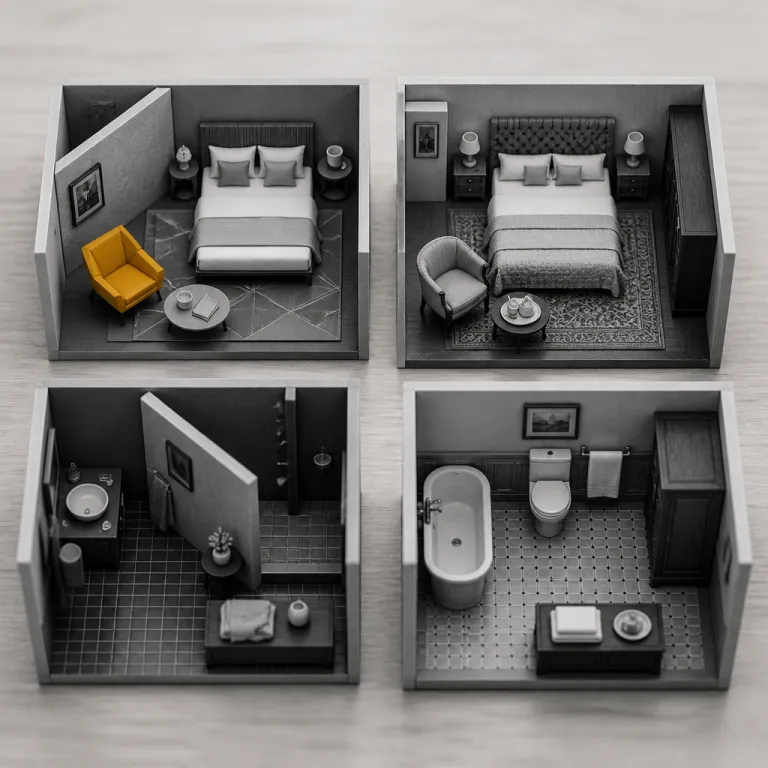
For travelers comparing a design hotel vs luxury brand boutique style property on a booking site, the smartest move is to read the rooms as carefully as the reviews. A design driven hotel might feature unconventional bathrooms, sculptural furniture or open plan layouts that look striking in photos but demand a little adaptation from each guest. Your experience depends on whether you find those choices liberating or distracting during real world stays.
In many design forward hotels, the atmosphere of the lobby, bar and shared spaces is as important as the private rooms, because hospitality consultants now see public areas as social stages. Some hotels offer lobby concepts that feel like living rooms for both locals and guests, with staff guest teams trained to host, connect and subtly choreograph the flow of experiences. For a deeper dive into how public spaces can attract locals as much as in house guests, the analysis of lobby as living room strategies at this feature on lobby design is a useful reference.
Legacy luxury hotels, by contrast, usually prioritize intuitive layouts and familiar room typologies over experimental design, which helps many guests feel instantly oriented. Their strong advantage lies in how consistently hotels offer certain touchpoints, from bedding to lighting controls, which reduces friction for frequent travelers. When you weigh design hotel vs luxury brand boutique options, think about how much cognitive effort you want to spend learning a new room versus sinking into a known pattern of comfort.
Choosing between design intensity and brand assurance
When travelers choose between a design hotel vs luxury brand boutique style property, they are really choosing between design intensity and brand assurance. Design led hotels reward guests who enjoy being surprised by unique design gestures, shifting atmosphere and guest experiences that foreground local culture. Legacy luxury hotels reward travelers seeking a stay where the service, the rooms and the overall hospitality rhythm feel reassuringly familiar.
To decide which side of the design hotel vs luxury brand boutique spectrum suits you, start by asking how much you want the hotel to shape your days. If you are a solo explorer who uses the hotel as a base camp, a calm luxury hotel with quiet luxury interiors and predictable amenities might be ideal. If you want the hotel itself to be a central part of your stories, then boutique luxury properties with strong local identity and personalized service will likely feel more rewarding.
Whichever direction you lean, focus less on labels such as boutique hotels or luxury hotels and more on how specific hotels offer to make guests feel during their stays. Read how staff guest teams are described, look for evidence of personalized experiences, and pay attention to whether guest reviews mention local culture integration or just generic luxury. As one research summary in the dataset notes, "How do legacy brands maintain relevance?" is answered with "Balancing heritage with modern updates.", and that balance is exactly what you are evaluating every time you scroll through design hotel vs luxury brand boutique options on a site like incredible-stay.com.
FAQ
How is a design focused hotel different from a traditional luxury brand property ?
A design focused hotel builds its identity around unique design choices, often using local materials, art and unconventional layouts to create a strong sense of place. Traditional luxury brand properties prioritize consistency, so rooms, service rituals and amenities feel familiar across many locations. Both can deliver high end hospitality, but your experience depends on whether you value surprise or predictability more.
Are design driven hotels always better for solo travelers seeking authentic experiences ?
Design driven hotels can be excellent for solo travelers seeking immersion, because they often integrate local culture and foster social atmosphere in public spaces. However, some solo guests feel more comfortable in legacy luxury hotels where navigation is intuitive and service patterns are familiar. The best choice depends on whether you want your stay to challenge your habits or simply support your itinerary.
What should I look for in reviews when comparing design hotel vs luxury brand boutique options ?
Focus on how previous guests describe the rooms, the staff guest interactions and the overall atmosphere rather than on generic luxury labels. Look for mentions of personalized service, local identity and how the hotel design affected sleep, work or relaxation. Consistent comments about noise, awkward layouts or impersonal experiences are more telling than star ratings alone.
Do legacy luxury brands ever offer truly unique design experiences ?
Some legacy luxury brands now create flagship properties or limited collections where designers have more freedom to express unique design concepts. These hotels offer a middle ground, combining brand level service standards with stronger local culture integration and more distinctive interiors. If you want both reliability and character, these hybrid properties can be a compelling choice.
Is paying more for a highly designed hotel room worth it for a short stay ?
For a one or two night stay, paying extra for a highly designed room is worthwhile if the space itself is part of why you are traveling. If you will spend most of your time outside, a simpler luxury hotel room with excellent service may offer better value. Think about how many waking hours you will actually spend in the room before upgrading for design alone.