Why lighting is the quiet signature of a luxury hotel
Walk into a true luxury hotel at dusk and the first thing you register is not the furniture, but the lighting. The light feels warm, the atmosphere feels calm, and the hotel interior seems to expand and contract around you in a way that feels almost choreographed. This is luxury hotel lighting design working in the background, using layered lighting and carefully tuned color temperature to create depth and guide every guest without shouting for attention.
In high end hospitality design, lighting creates the emotional script of your stay long before a room key changes hands. Designers study how guests move through each space, then use ambient lighting, accent lighting, and task lighting to create a sequence of illumination that feels intuitive rather than theatrical. When hotel lighting is handled with this level of expertise, you rarely notice individual fixtures, but you absolutely notice how the room makes you feel after dark.
Flat, over bright lighting belongs to corporate meeting rooms, not to luxury hotels that promise intimacy and ease. In a refined hotel lobby, soft pools of light highlight architectural features, while shadow is used as deliberately as illumination to create a sense of privacy even in open spaces. The most successful hotel design teams treat every corridor, lounge, and suite as a distinct interior design story, then use lighting design as the narrative thread that quietly connects them all.
Layered lighting versus flat rooms that feel like offices
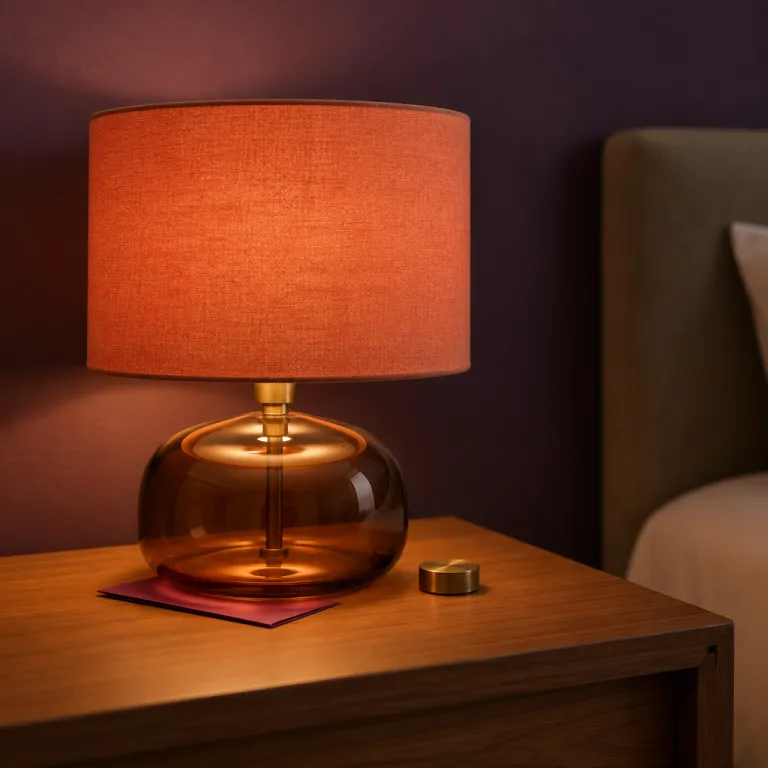
Many travelers can recall stepping into a hotel room where a single ceiling panel floods the space with harsh light. That kind of flat illumination erases architectural character, makes walls feel closer, and leaves guests instinctively reaching for a table lamp that is not there. In contrast, layered lighting in a luxury hotel room combines ambient lighting, bedroom lighting, and small points of accent lighting to create depth and a more residential feel.
Thoughtful hotel interior design often starts with a soft general glow, then adds bedside task lighting, a focused reading light near a lounge chair, and a dimmable table lamp on the desk. This mix allows each guest to create their own atmosphere, whether they want a bright space to unpack or a low, warm pool of light for a late night conversation. When lighting creates options rather than a single setting, the room feels tailored, and the overall hotel design reads as quietly confident rather than generic.
Couples seeking a romantic stay should look for hotels where switches are clearly zoned and dimmers are standard, especially around the bed and seating areas. In these properties, hospitality lighting is treated as a comfort tool, not an afterthought, and the interior design borrows cues from refined residential spaces and from the kind of sartorial elegance explored in guides to refined hotel stays inspired by tailoring. The difference between a flatly lit room and a layered one is the difference between feeling processed and feeling personally welcomed.
Warmth, color temperature and the way your body unwinds
Beyond style, luxury hotel lighting design now leans heavily on science, especially around color temperature and circadian comfort. Cooler light with a higher color temperature can keep you alert in a hotel lobby or gym, while warmer light in the evening helps your body understand that the day is winding down. The best luxury hotels use this knowledge to create a subtle shift from day to night, so guests feel naturally ready for dinner, then for sleep.
In suites, you will often see cooler task lighting at a vanity mirror, paired with warm ambient lighting in the bedroom and living area. This balance allows guests to see true color when dressing, yet still return to a cocoon of soft illumination that flatters skin tones and calms the nervous system. When hospitality lighting respects circadian rhythms, the entire hotel interior feels more humane, and the design supports rest rather than fighting it.
Public spaces follow the same logic, with brighter, cooler light at breakfast and a progressively warmer atmosphere as evening approaches. Restaurants within design forward hotels may use candle like accent lighting on tables, while keeping architectural features gently washed to create depth without glare. For travelers comparing properties, it is worth reading detailed reviews, such as those that examine where aesthetic risk taking delivers a genuinely different stay, because lighting choices often reveal how seriously a hotel takes guest wellbeing.
How lobbies, restaurants and suites are lit for different stories
Each zone in a luxury hotel has its own lighting brief, because each space hosts a different part of your stay. The hotel lobby must feel legible and welcoming, with clear task lighting at the reception desk, softer ambient lighting in seating areas, and accent lighting that draws the eye to key architectural features. When this choreography is right, guests instinctively know where to go, and the atmosphere feels both social and calm.
Restaurants and bars within luxury hotels often push hospitality design further, using pools of shadow to create intimacy between tables. Here, lighting creates a sense of privacy through contrast, with brighter light on food and faces, and darker walls that recede into the background. A well placed wall light or concealed strip can create depth along a banquette, while a small table lamp can make a two top feel like its own world, even in a busy dining room.
Suites and bedrooms, by contrast, are about retreat, so bedroom lighting tends to be lower, warmer, and more flexible. Good interior design ensures that guests can move from entry to bed to bathroom without harsh transitions, often using indirect lighting along headboards or under vanities. In the most carefully considered hotel lighting schemes, even the glow from wardrobe interiors and minibar niches is tuned so that a midnight drink does not fully wake the guest.
Daylight, shadow and why the best lighting rarely photographs well
Natural light remains the starting point for any serious luxury hotel lighting design, even in destinations where guests arrive mostly after dark. Designers study how daylight enters each room, then use interior design strategies to complement it with artificial illumination that feels like an extension rather than a replacement. When daylight, shadow, and artificial light are in balance, the space feels honest, and the hospitality experience feels rooted in its setting.
Many of the most atmospheric hotels also embrace shadow as a design tool, allowing some corners to remain darker so that lit areas feel more inviting. This restraint is especially powerful in properties that lean into biophilic materials and textured stone, where grazing light along a wall can reveal depth without overwhelming the senses. For travelers interested in how lighting interacts with natural materials, guides to biophilic revolutions reshaping luxury hotel design offer useful context on how illumination and materiality work together.
Ironically, the most successful hospitality lighting often looks underwhelming in photographs, because cameras flatten contrast and overemphasize bright spots. What feels like a perfectly tuned atmosphere in person can read as dim on a screen, which is why many marketing images quietly boost exposure. When you visit in real life, pay attention to how your body feels in the room, how easily your eyes adjust, and how the lighting creates a sense of time passing from late afternoon to night.
How to read lighting like an insider when choosing your next stay
When browsing luxury hotels on a booking website, train your eye to read lighting clues in the photos. Look for multiple light sources at different heights in the room, such as ceiling coves, wall lights, and at least one table lamp near seating. If every image shows a uniformly bright space with few visible fixtures, the lighting design may feel more corporate than intimate in person.
Pay attention to how hotel lobbies are lit in evening shots, noting whether reception desks are harshly exposed while lounge areas fade into darkness. A well balanced hospitality lighting scheme will show clear task lighting where staff and guests interact, with softer ambient lighting and accent lighting creating depth around architectural features. In guest rooms, seek evidence of dimmers, bedside reading lights, and warm color temperature, all of which signal that the hotel design team has considered how you will actually live in the space.
Once you arrive, small details will confirm the story, from how easily you can find a switch at night to whether the bathroom lighting flatters or fatigues. Luxury in this context is not about chandeliers, but about how lighting creates a seamless experience that supports rest, romance, and a sense of place. When a hotel can guide you from lobby to room to restaurant with light alone, you are experiencing hospitality design at its most quietly sophisticated.
FAQ
How can I tell if a hotel has good lighting design before booking ?
Study evening photos of rooms and public spaces, looking for layered lighting rather than a single overhead source. Multiple lamps, wall lights, and soft ceiling glows usually indicate thoughtful hotel lighting. Reviews that mention atmosphere, warmth, and comfort after dark are also strong signals.
Why does warm lighting feel more luxurious in hotel rooms ?
Warm lighting has a lower color temperature, closer to candlelight or late afternoon sun. This kind of illumination softens shadows, flatters skin tones, and helps your body prepare for rest. Luxury hotels use it to create a calm, intimate atmosphere that feels distinctly different from office or retail spaces.
What is layered lighting in a luxury hotel context ?
Layered lighting combines ambient lighting for general brightness, task lighting for specific activities, and accent lighting to highlight architectural features or art. In a hotel room, that might mean a ceiling wash, bedside reading lights, and a table lamp near a chair. The goal is to let guests adjust the atmosphere for work, relaxation, or sleep.
Why do some beautiful hotels feel too bright or too dark at night ?
When lighting design focuses only on style, without considering how guests move and feel, spaces can end up over lit or gloomy. Too much uniform brightness flattens the room and feels clinical, while insufficient ambient lighting forces guests to rely on a few small lamps. Balanced hospitality lighting uses dimmers, varied sources, and careful placement to avoid both extremes.
Should I prioritise lighting when choosing a romantic hotel stay ?
For couples, lighting can make the difference between a room that feels functional and one that feels genuinely intimate. Look for hotels that mention mood, atmosphere, and bedroom lighting in their descriptions, and check photos for warm tones and multiple light sources. When lighting is well considered, it quietly supports connection, privacy, and a sense of occasion.